Author: admin79

  • V2105015 Seniors Your Muscles Are Disappearing without THIS Power Food Doctors Highly Recommend it iDUiuZkGM1w Part 2

    V2105015 Seniors Your Muscles Are Disappearing without THIS Power Food Doctors Highly Recommend it iDUiuZkGM1w Part 2

    8 Surprising Ways Your Body Is Begging You to Address Your Nutritional Needs

    Here are the common symptoms that your body has been using to communicate a vitamin deficiency.

    Headshot of Taylor Leamey

    Taylor Leamey

    Medically Reviewed

    April 1, 2025 10:29 a.m. PT

    6 min read

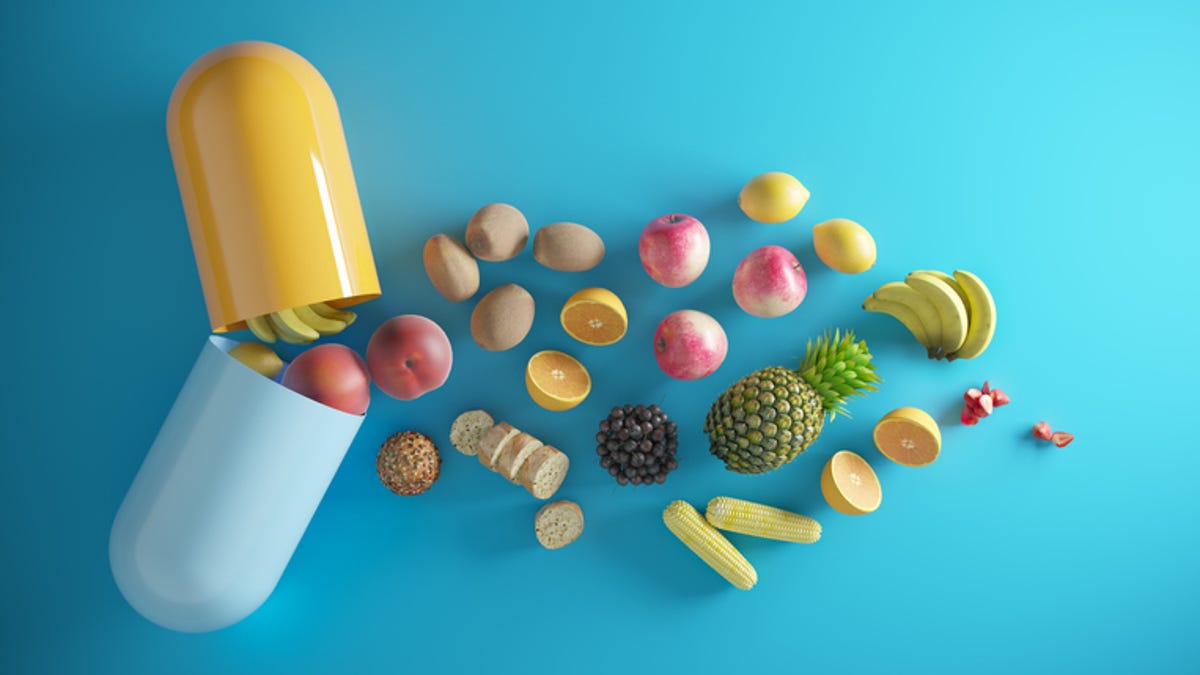
    Supplement capsule breaking open and fruit spilling out.
    Eoneren/Getty Images

    You can do everything right and still have a vitamin deficiency. You can eat a well-balanced diet and still not get enough nutrients for your body’s needs. Even taking a general multivitamin might not address significant deficiencies. I know what you might be thinking: how do I know if I have one?

    Your body tells you. All you have to do is listen. Vitamin deficiencies often cause specific physical symptoms that can be traced back to a lack of certain nutrients. Knowing the symptoms of vitamin deficiencies is important so you can spot them if they crop up and adjust your lifestyle accordingly. 

    Best Healthy Meal Kit Delivery Services

    What is a vitamin deficiency?

    Vitamin deficiencies are exactly as the name implies: Your body operates without enough of a particular nutrient. They are incredibly common; it’s estimated that 2 billion people worldwide have a vitamin deficiency. 

    Vitamin deficiencies are divided into two categories — primary and secondary deficiencies. A primary vitamin deficiency means that you need to take in more of the foods the vitamin contains. In this case, you can often tailor your diet to ensure you address these needs. Or take a supplement if you have dietary limitations that keep you from eating these foods, which is the case with food allergies. 

    Secondary deficiencies occur when your body isn’t absorbing nutrients as it should. This can happen because of an underlying condition such as celiac disease or cystic fibrosis. Additionally, secondary deficiency results from our bodies absorbing fewer nutrients as we age. Then, the malabsorption can compound and cause other deficiencies, like in the case of calcium and vitamin D. Older adults whose bodies have stopped making vitamin D can develop a calcium deficiency because vitamin D is crucial for the absorption of calcium.

    Best Multivitamins to Start Taking Today

    Common signs you may have a vitamin deficiency

    Vitamin deficiencies are common. However, they don’t always present with symptoms you may associate with a vitamin deficiency. Here are the common signs of vitamin deficiencies that you may be ignoring. 

    Fatigue

    One of the most prevalent vitamin deficiency symptoms is fatigue or feeling weak and tired. Many things can cause this, which makes it difficult to separate symptoms that stem from something else, like sleep deprivation. Chronic fatigue that doesn’t go away no matter how much you sleep or rest may indicate a vitamin deficiency. 

    Fatigue signals a deficiency in:

    Woman experiencing fatigue while sitting on a yoga mat in her living room.
    Laura Olivas/Getty Images

    2. Muscle weakness and pain

    Another common sign of vitamin deficiency is muscle weakness or cramps. Again, this one is hard to pinpoint directly to nutrients, given that you could be sore or have achy joints for many reasons. The most well-known deficiency associated with muscle weakness is vitamin D. However, several B vitamins and magnesium can also contribute to weakness.

    Muscle weakness and achy joints can indicate a deficiency of:

    Addressing your diet to see where you’re lacking is the first step you can take to address a vitamin deficiency. It’s worth visiting your doctor if you can’t find obvious gaps in your nutrition.

    3. Severe hair loss

    Hair loss can happen for several reasons like genetics, medical conditions, hair treatment and hormonal imbalances. Missing out on key hair growth nutrients also may be the cause. If your hair is thinning or isn’t as healthy as it used to be, it may be because you’re not getting enough of these nutrients:

    Health Tips

    It’s important to note that unless your hair loss or damage is due to a vitamin deficiency, taking vitamins won’t make your hair grow back thicker. Finding the source of your hair loss is the only way to know how to address it. Hair growth vitamins can help you keep your health healthy only if you have a deficiency, but they’re not magic pills. You’re always better off focusing on your diet that supports hair health. 

    4. Dry skin 

    Even if you use moisturizers and everything you’re supposed to, you can still be left with dry skin or dandruff. Your diet may be to blame for this. Having enough of the right vitamins and minerals is essential for healthy, hydrated skin and scalp. It’s not just dry skin — scaly patches, bumps and dandruff all indicate a possible vitamin deficiency. 

    If you’re experiencing dry skin, you may be deficient in these vitamins: 

    Woman putting moisturizers on her face.
    svetikd/Getty Images

    5. Slow-healing wounds and a weak immune system

    Several vitamins are essential to a functioning immune system: vitamins E, C and K. Vitamin K is the nutrient required to form clots. Without an adequate amount in your body, a normal cut can turn into a big problem. This also applies to internal bleeding, which is difficult to identify without medical intervention.

    Vitamin deficiencies don’t only determine how long you bleed; they also affect how long it takes a wound to heal. Vitamin C functions with anti-inflammatory properties that help close wounds. A deficiency will slow tissue repair.

    Nutrient deficiencies in these vitamins can affect your immune system and ability to heal wounds: 

    6. Mood changes

    Vitamin deficiencies can also dictate how you feel. Most people are familiar with seasonal affective disorder, a type of depression that happens when there is less sunlight to give us vitamin D. However, mood changes and depression because of a vitamin D deficiency aren’t limited to winter months. It’s estimated that 42% of Americans are not getting enough vitamin D. 

    Vitamin B6 deficiencies have also been found to contribute to mental health conditions like anxiety and depression. While more research is needed, several studies suggest that taking vitamin B6 supplements can help reduce symptoms because it produces chemical messengers that inhibit brain impulses, which results in a calming effect.

    7. Changes in vision

    In addition to naturally occurring changes in our vision that happen with age, a vitamin A deficiency can contribute to vision problems. Vitamin A plays a key role in vision by aiding the production of pigments for the retina. Without enough vitamin A, production stops, leading to night blindness or the compromised ability to see in low light and darkness. 

    Night blindness can occur independently of vitamin A deficiencies, so you shouldn’t start taking a supplement unless you know the source. Vitamin A is a fat-soluble vitamin, which means that it accumulates in our body’s fat stores. An excess is called vitamin A toxicity, marked by symptoms like headaches, joint pain and nausea. 

    Vitamin E is an antioxidant that’s essential for eye health. A deficiency can lead to vision loss over time. 

    8. Tingling in fingers or toes

    A lesser-known and more alarming sign that you may have a vitamin deficiency is tingling in the hands, legs and feet. The main culprit of this deficiency is vitamin B12, which plays a role in our nervous system by producing myelin. Myelin is the protective layer that wraps around the nerve. A lack of B12 means your body won’t produce enough myelin, and your nerves are susceptible to damage. Then you feel prickling or pins and needles on your hands and feet. 

    Nutrients that are related to tingling in the hands and feet:

    If you’re experiencing any tingling or numbness that persists, talk to your doctor immediately to find the cause and make a treatment plan. 

    Too long; didn’t read?

    Anyone can have a vitamin deficiency. They’re often overlooked because of how common some of the symptoms are. However, symptoms shouldn’t be ignored, especially those affecting your ability to move, lift and see. Making lifestyle and dietary changes is the best way to stop deficiencies. Though taking supplements is also common. 

    Talk to your doctor if you’ve had persistent symptoms that aren’t linked to anything else. They can run blood tests to definitively diagnose and create a treatment plan.

    The information contained in this article is for educational and informational purposes only and is not intended as health or medical advice. Always consult a physician or other qualified health provider regarding any questions you may have about a medical condition or health objectives.

  • V2105010 Stop Muscle Loss NOW with THIS One Food in Your Diet Senior Health uSa8mR1OBu8 Part 2

    V2105010 Stop Muscle Loss NOW with THIS One Food in Your Diet Senior Health uSa8mR1OBu8 Part 2

    17 Best Foods To Stop Hair Loss

    These foods will help keep hair healthy and full.

    Avatar for Grant Stoddard

    ByGrant Stoddard

    Published on September 15, 2020 | 9:59 PM

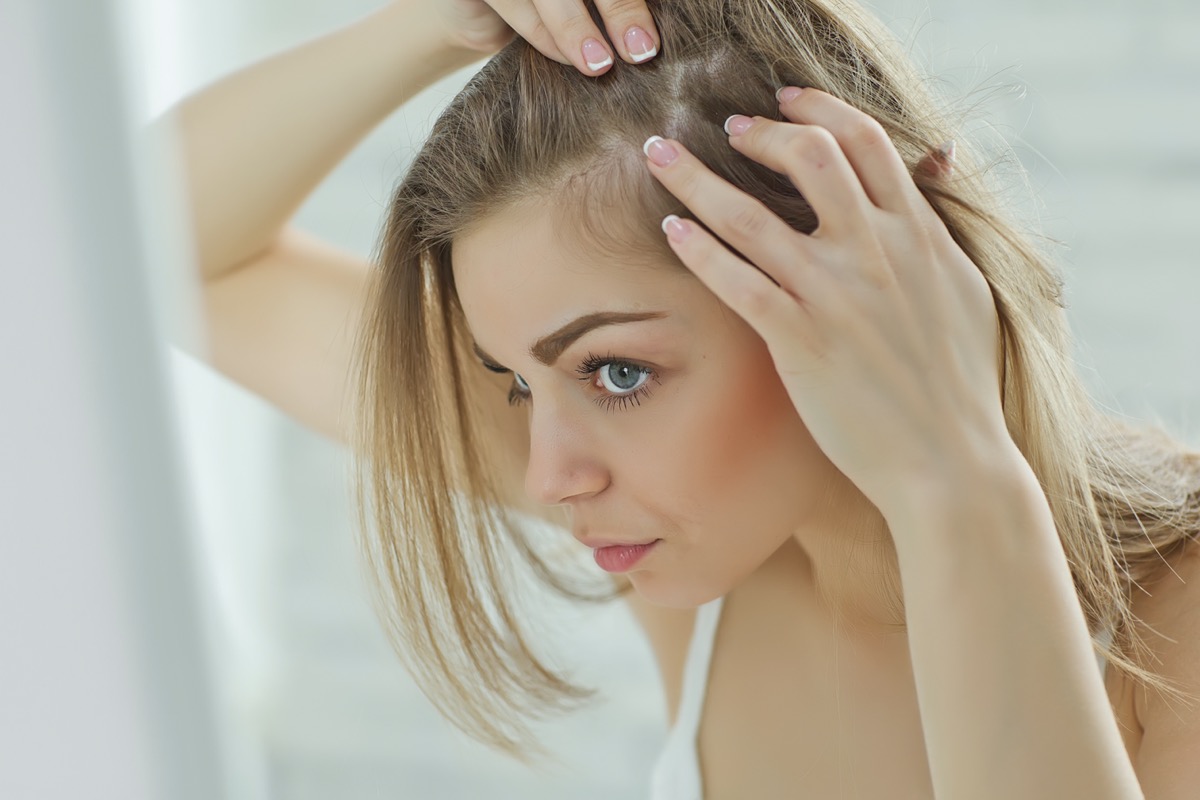
    nervous girl looking in the mirror her scalp
    Shutterstock

    If you’re older than fifteen, the era of your thickest hair has come and gone. From now on, the name of the game is to keep as much of that stuff on your head. (And to maintain its luster, strength, and shine.)

    Although the causes of hair loss are many — including genetics, age, hormones, nutrient deficiencies, toxicity, medications, and autoimmunity — changing your diet can, in many cases, be helpful. “Proper diet and supplements can slow or reverse hair loss, and make the hair thicker and healthier,” says nutritionist Joseph Debé, DC, CDN, CCSP.

    Below are 17 nutrient-rich foods that have been shown to keep hair healthy and full. And while we’re on the subject of aging, you won’t want to miss our exclusive report: 30 Foods You Should Never Eat After Age 30.

    Spinach

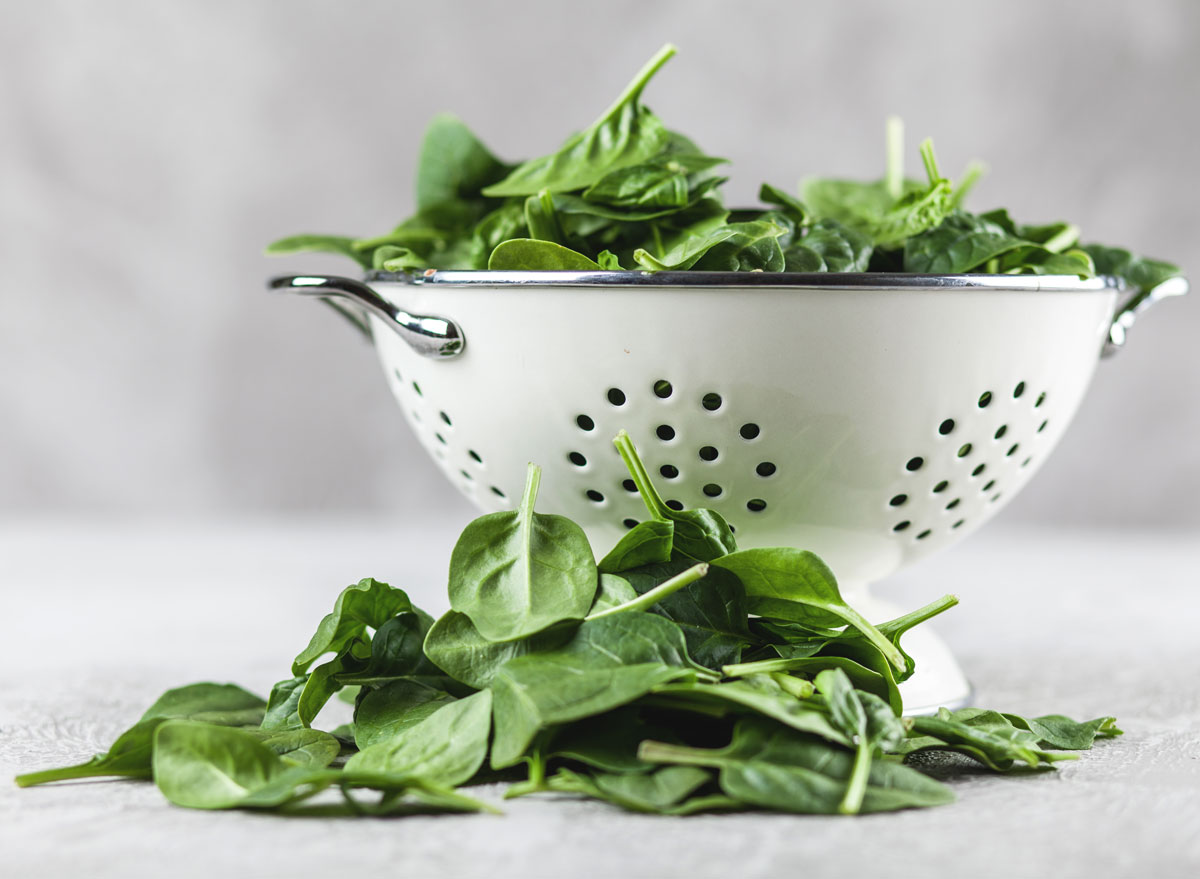
    Baby spinach colander
    Shutterstock

    In some cases (particularly in women), a mineral deficiency is the cause of hair loss. “It’s important to make sure you don’t have a lack of something in your diet that could be leading to hair loss,” says dermatologist Carolyn Jacob, MD, FAAD. “We check protein levels, iron, iron storage, vitamin D and a number of other labs to make sure you don’t have deficiencies.”

    Spinach is iron rich and it contains sebum, which acts as a natural conditioner for hair. The leafy green also provides omega-3 acids, magnesium, potassium, calcium, and iron. All help keep hair lustrous, shiny and, most importantly, out of the drain.

    STAY INFORMED: Sign up for our newsletter to get the latest food news delivered straight to your inbox.

    Sunflower Seeds

    Sunflower seeds
    Shutterstock

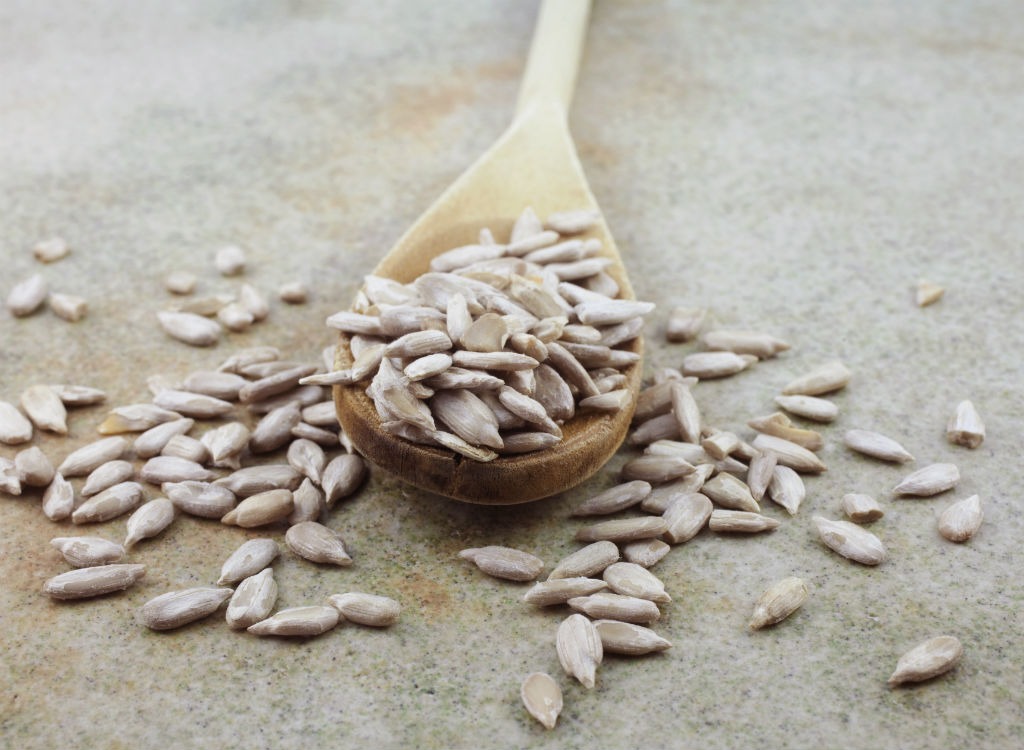
    Sunflower seeds are rich in vitamin B5 (known as pantothenic acid), which helps with blood flow to your scalp and hair growth. According to a Clinical and Experimental Dermatology report, pantothenic acid deficiencies have been identified as a nutrient connected to hair loss. Just one ounce of the seeds serves up a solid 20 percent of your DV of the vitamin.

    Salmon

    Wild salmon fillet
    Caroline Attwood/Unsplash

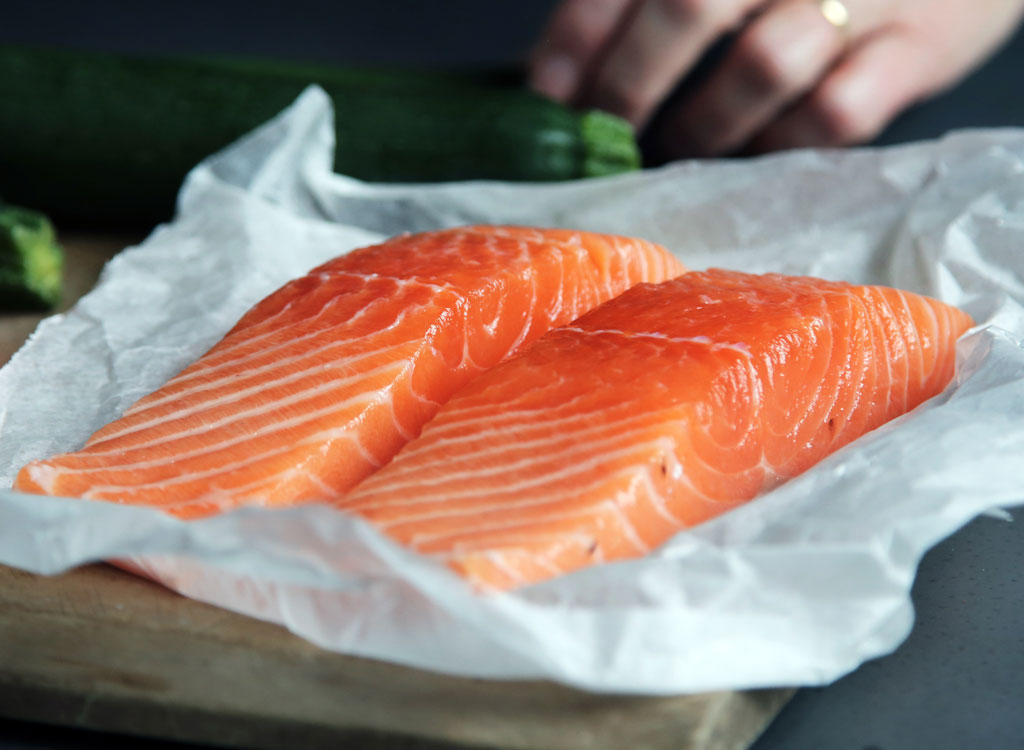
    The human body can do a lot of crazy stuff, like turning sunlight into bone-strengthening vitamin D. Something it can’t do, however, is make omega-3 fatty acids. In addition to helping you stay fit and disease free, omega-3’s enable you to grow hair and keep it shiny and full.

    “Omega-3’s are anti-inflammatory. They can help if you have inflammation that’s causing hair shedding,” says Dr. Jacob. It’s best to get omega-3s from natural sources, such as salmon and cold-water fish like sardines and mackerel.

    RELATED: Your guide to the anti-inflammatory diet that heals your gut, slows the signs of aging, and helps you lose weight.

    Beets

    Sliced red raw beets
    Shutterstock

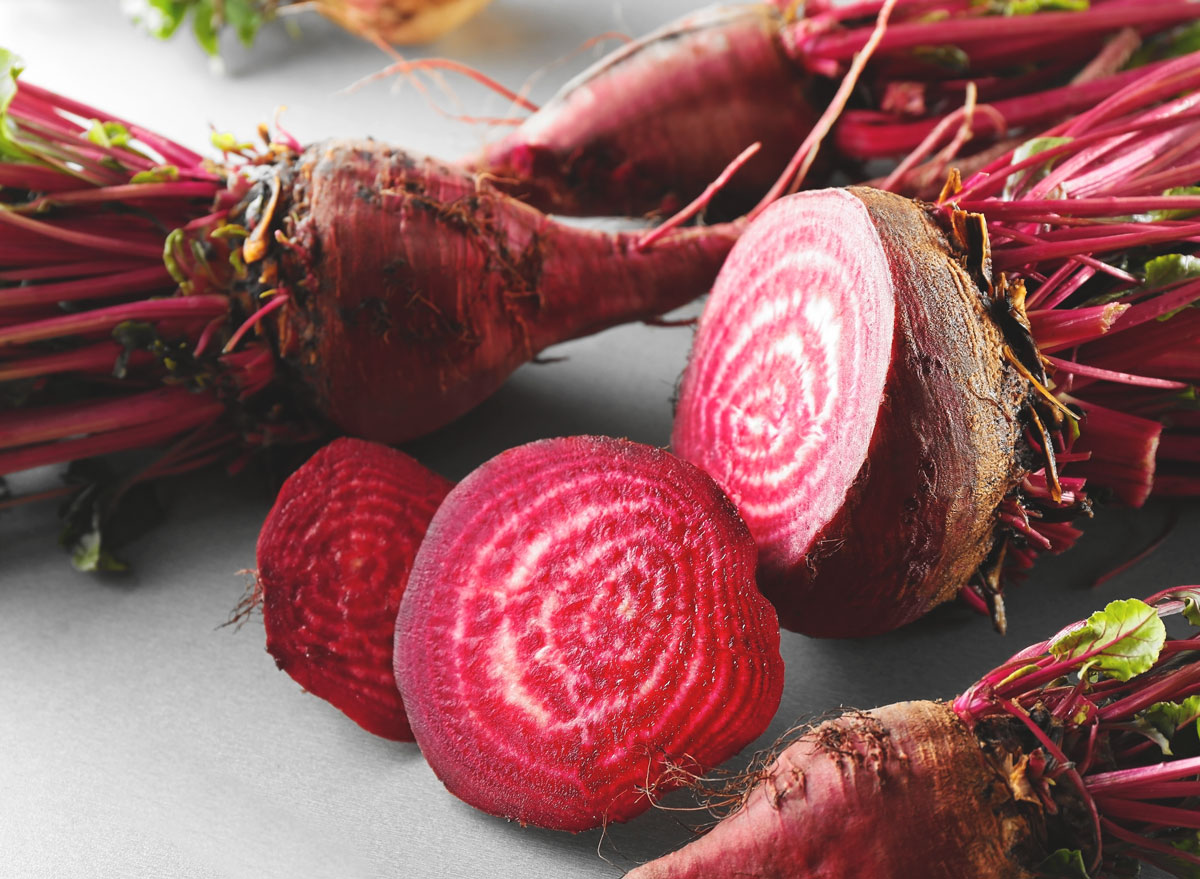
    This ruby red root is rich in natural chemicals known as nitrates. After being broken down in your body, these chemicals may contribute to improved circulation, according to a British Journal of Clinical Pharmacology study, which may bring oxygen and nutrients to your hair follicles.

    Oatmeal

    Plain bowl of oatmeal
    Shutterstock

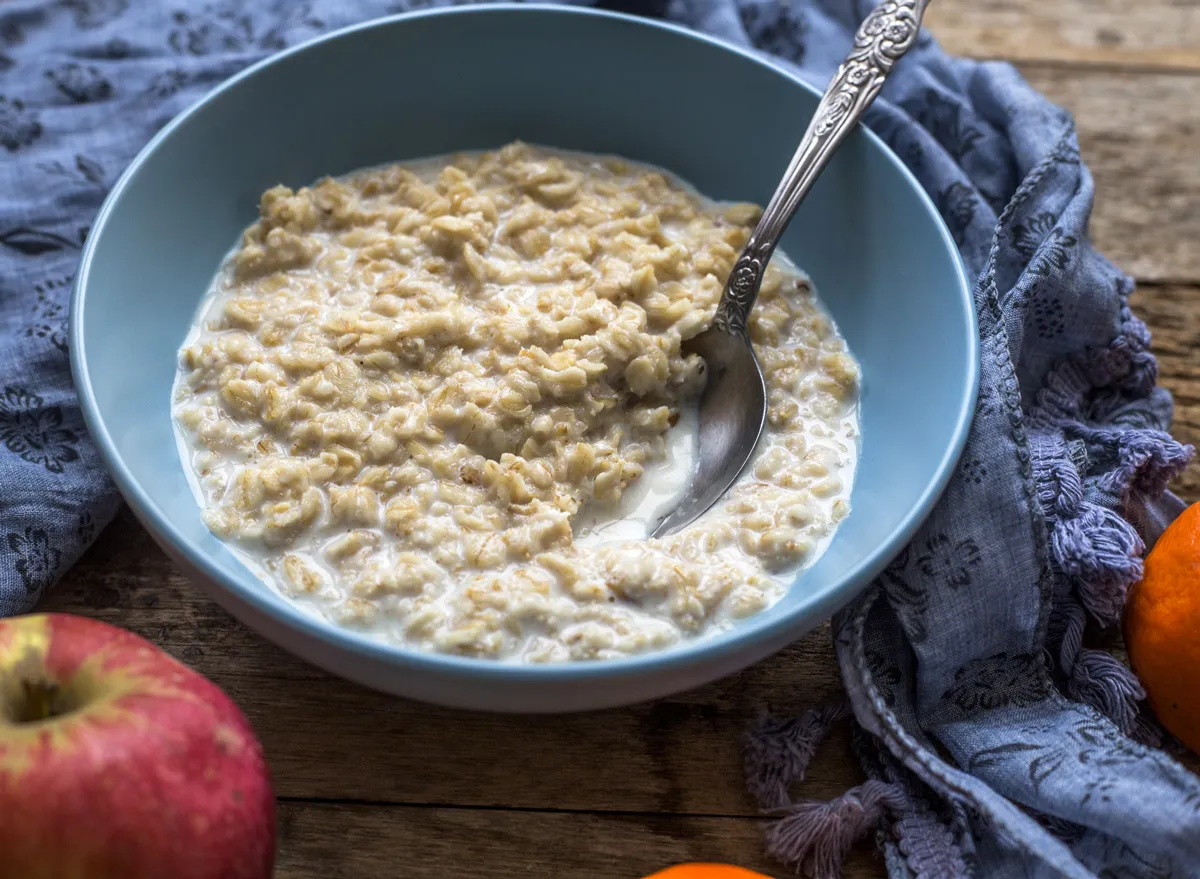
    Oats are rich in beta-glucans, a type of soluble fiber. According to Dr. Debé, both male-pattern balding and female hair loss is often associated with insulin resistance. Due to its high concentration of fiber, oatmeal is one food that helps improve the body’s insulin sensitivity.

    Chicken

    roast chicken in pan
    Shutterstock

    An Annals of Dermatology study discovered that one type of polyunsaturated fatty acids—an omega-6 fatty acid known as arachidonic acid (AA)—can stimulate hair growth, making it thick and healthy. According to the 2005-2006 National Health and Nutrition Examination Survey (NHANES), chicken is the top source of AA intake in America. A 1-cup serving of a roasted chicken contains 154 milligrams of arachidonic acid.

    Red Bell Pepper

    Sliced red bell pepper - food for hair loss
    Shutterstock

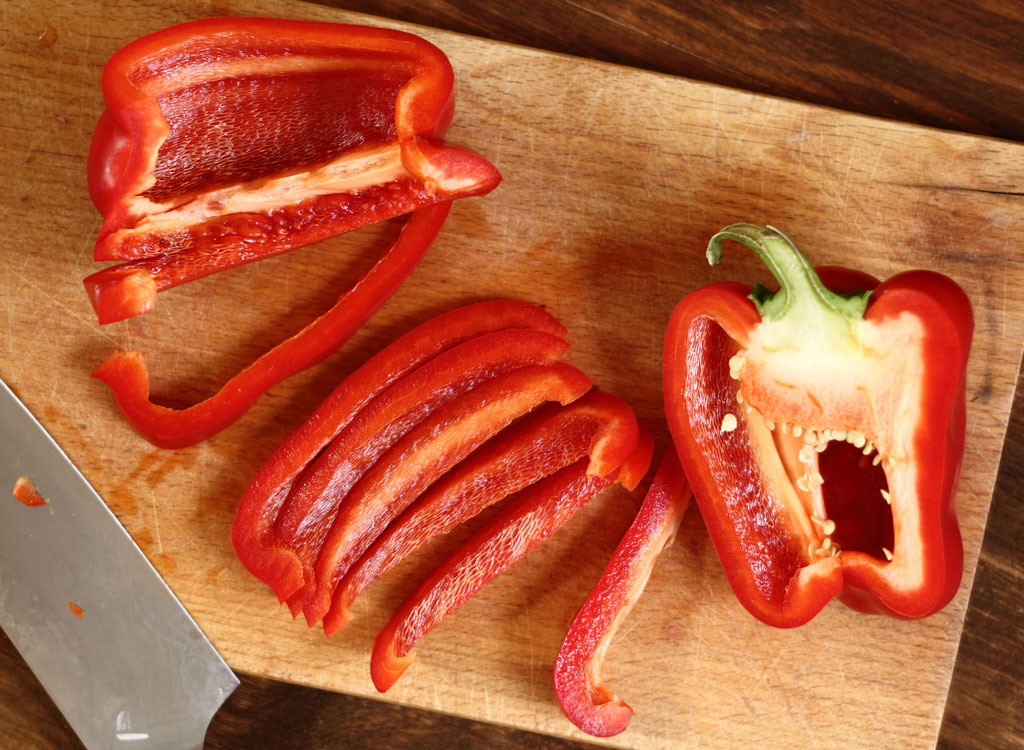
    Vitamin C prevents hair from becoming brittle and breaking. In a double-blind, placebo-controlled 2012 study published in the Journal of Clinical and Aesthetic Dermatology, researchers tested an oral supplement containing vitamin C in women with thinning hair. They found the supplement promoted “significant hair growth in women with temporary hair thinning.” Although we often think of oranges as the best source of vitamin C, just a half of a medium red bell pepper packs 158 percent of your DV of the nutrient. We’ve rounded up 6 more foods that are the best sources of vitamin c.

    Eggs

    Egg in frying pan - food for hair loss
    Shutterstock

    Eggs are packed with a B vitamin called biotin, which helps hair grow and strengthens brittle fingernails. Out of a group of women with hair loss, 36 percent of them were identified to have a biotin deficiency in an International Journal of Trichology study. Not having enough of this vitamin can lead to hair loss. Other good sources of biotin: almonds, avocados, and salmon.

    Lentils

    lentils - food for hair loss
    Shutterstock

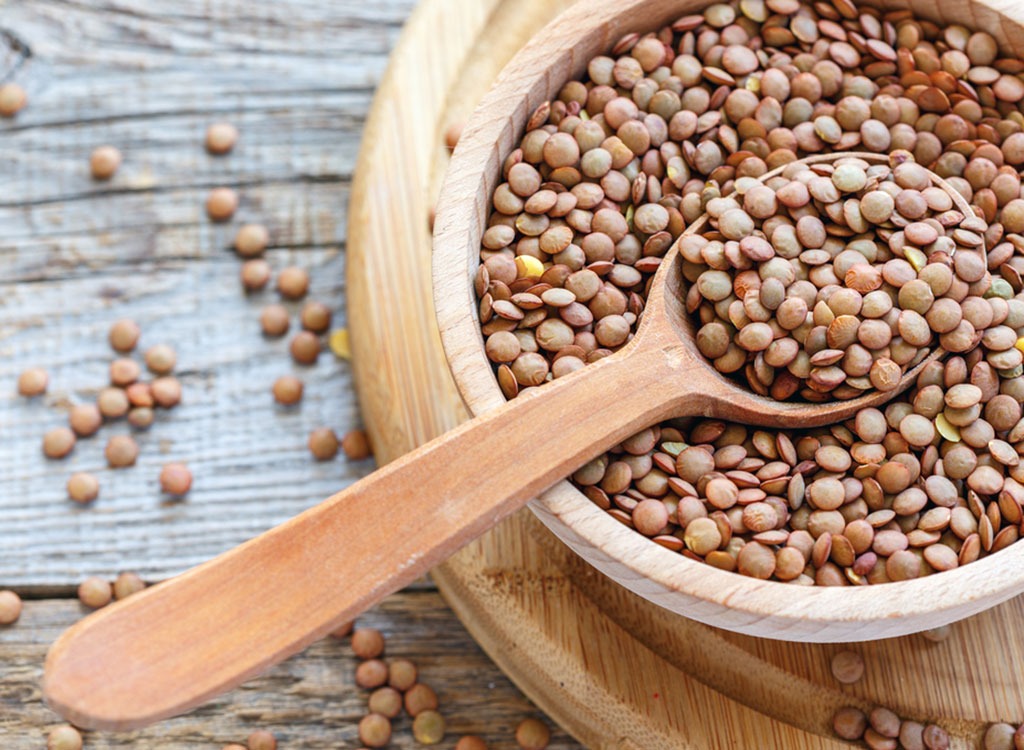
    Full of protein, iron, zinc, and biotin, lentils also have plenty of folic acid. The body needs folic acid to restore the health of red blood cells that supply skin and scalp with hair-healthy oxygen, according to Johns Hopkins Medicine.

    Oysters

    Oysters - food for hair loss
    Shutterstock

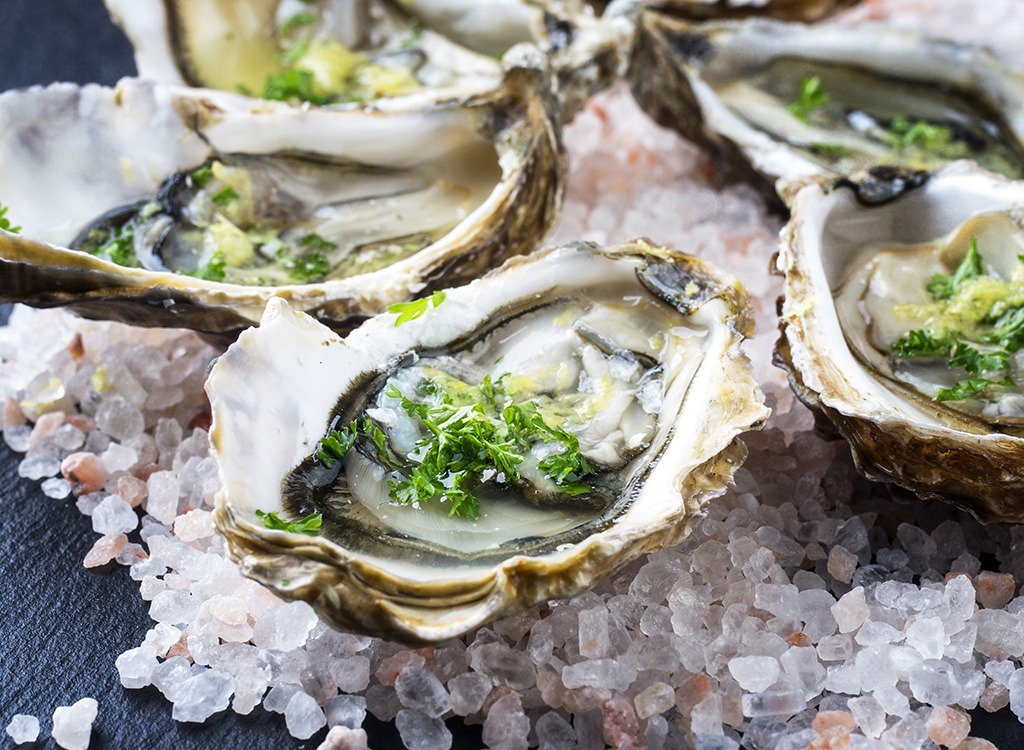
    Zinc is an important mineral for overall health. When you don’t have enough, you can experience hair loss — even in your eyelashes! Dr. Debé notes that zinc supplementation has been shown to improve hair loss in women with polycystic ovary syndrome (PCOS), according to a Biological Trace Element Research study. How? Zinc helps the cells responsible for building hair do their thing. You can also find rich stores of zinc in beef, crab, and lobster.

    Lean Ground Beef

    One pot taco skillet - food for hair loss
    Shutterstock

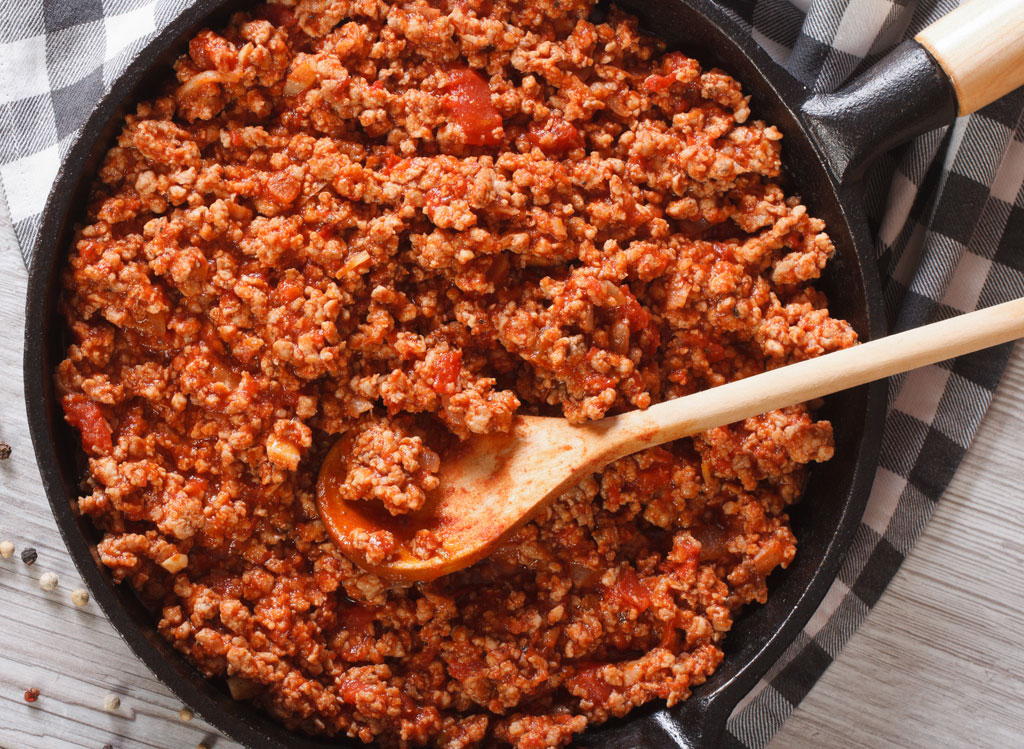
    As mentioned, iron deficiency can lead to hair loss, most notably in women. Iron is plentiful in plant-based sources such as our ol’ friend spinach (and other dark leafy greens), soybeans, lentils, fortified grains, and pasta. However, the body absorbs up to three times more iron from animal sources, so your best bet might be opting for lean, ground beef a couple times a week. A 4-ounce serving of cooked, 93 percent-lean beef crumbles serves upwards of 20 percent of your daily value of iron, according to the USDA National Nutrient Database.

    Lean Poultry

    Pork tenderloin - food for hair loss
    Shutterstock

    Notice how your muscles don’t grow (and even shrink) when you’re not getting enough protein? The same thing might happen to your hair. Without sufficient dietary protein, hair essentially goes on strike. Less new hair will replace what’s falling out (about 50-100 hairs a day), and you’ll experience a net hair loss. To get protein from meat, pick lean options like chicken, fish, or lean pork loin. They have less saturated fat than the stuff you’ll find sealed in styrofoam dishes at the supermarket.

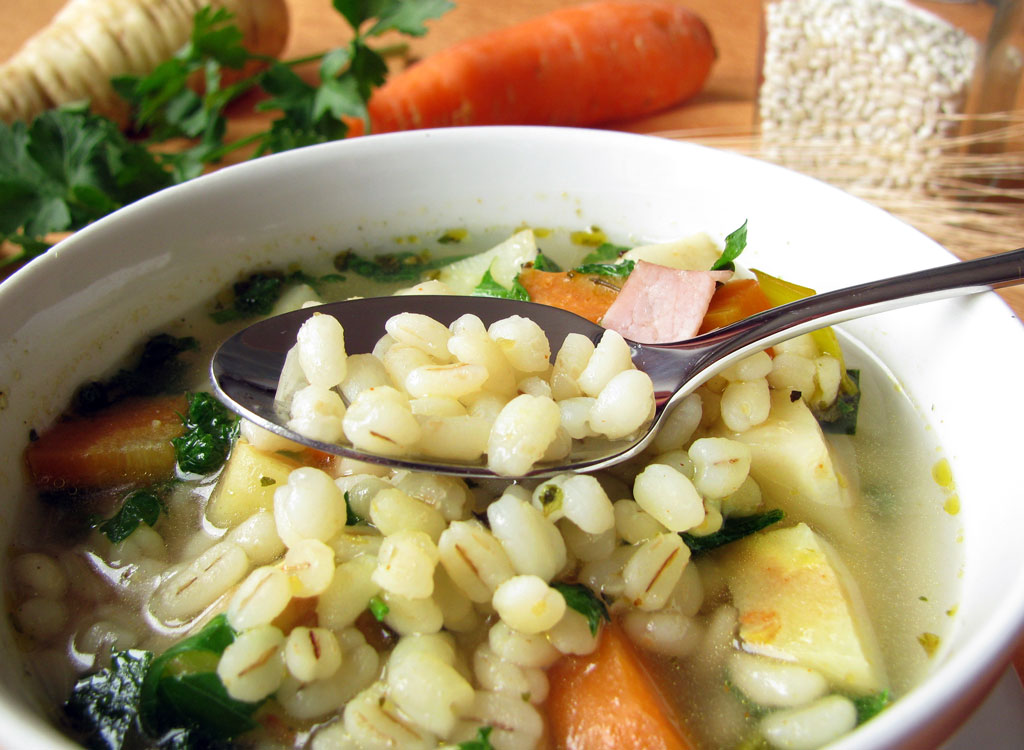
    Barley

    Barley soup - food for hair loss
    Shutterstock

    Vitamin E is a powerful antioxidant that can actually absorb damaging UV light and protect skin cells. It also repairs sun damage on the scalp, which can cause hair to thin. In one study, “Tocotrienols, or different types of vitamin E supplements, were studied for eight months in patients with hair loss,” says Dr. Debé. Thirty-eight people received the supplement, and some received a placebo. The supplemented group had a 34 percent improvement in hair growth.” Dr. Debé notes that although the amount of tocotrienols used in this study is difficult to get from diet alone, barley is a very good source.

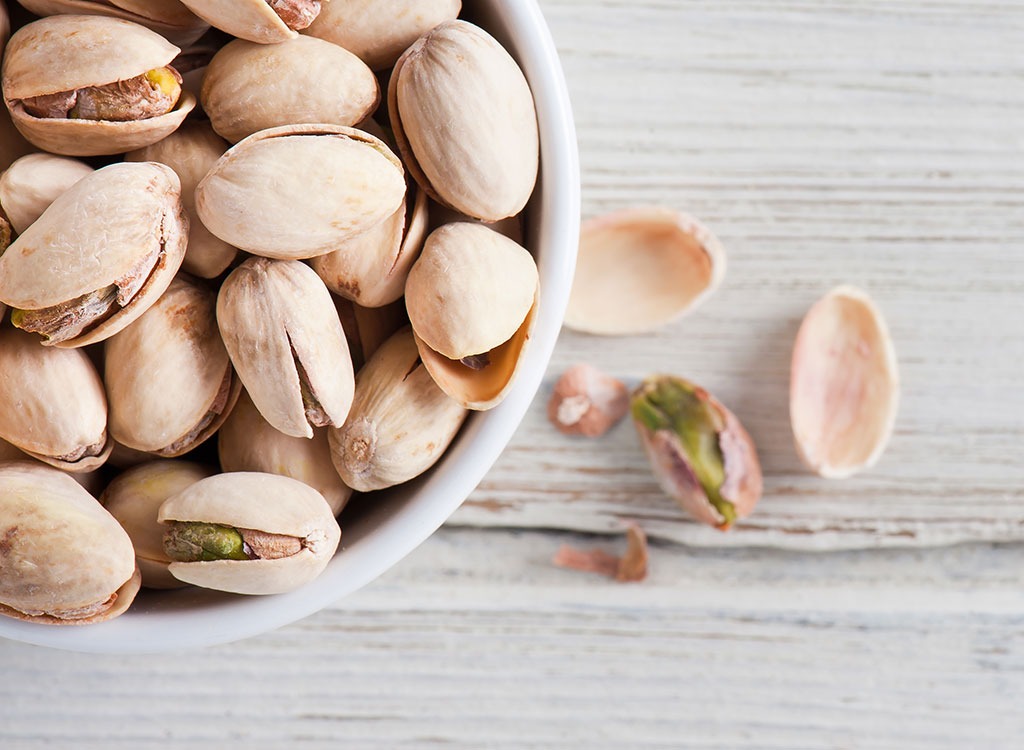
    Nuts and Seeds

    Pistachios - food for hair loss
    Shutterstock

    “There are a few research-proven options to consider for male pattern baldness,” says Dr. Debé. “These include tocotrienols, saw palmetto and beta-sitosterol. A good food source for beta-sitosterol is pistachios.” Walnuts and other nuts contain oils that add to the amount of elastin in your hair. Elastin keeps hair supple and stops it from breaking.

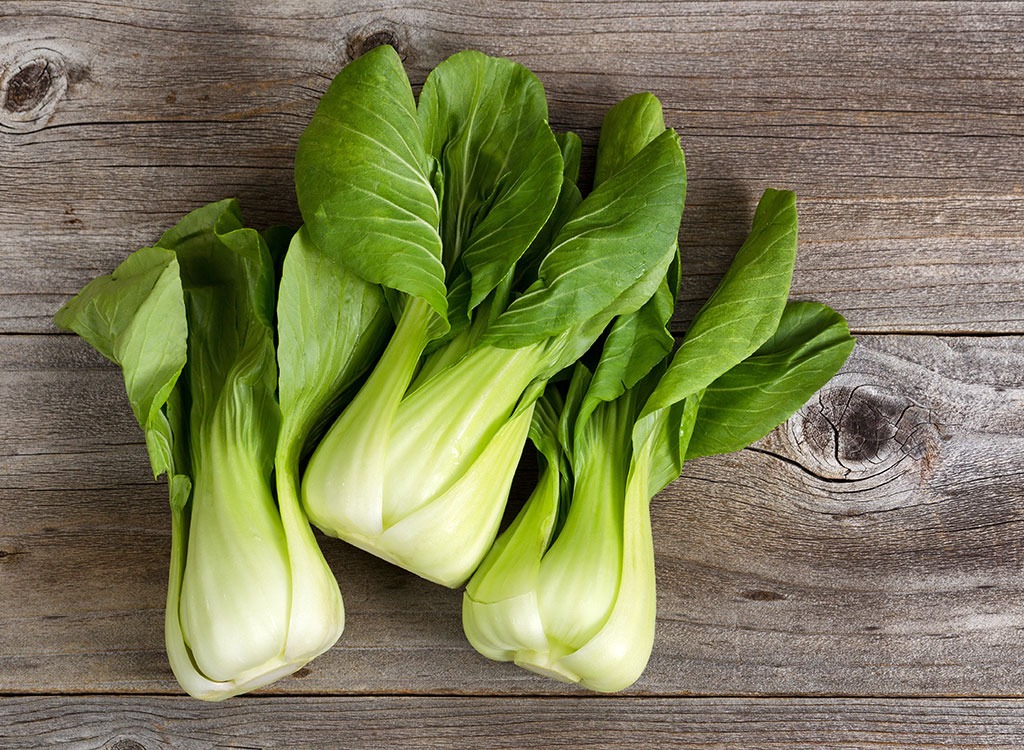
    Bok Choy

    bunches of bok choy on rustic table
    Shutterstock

    Dermatologists treating hair loss look at the level of ferritin in your blood, because they can deduce what your body is doing with all the iron they told you to add to your diet during your initial consultation. If you’d been eating plenty of bok choy—which is a super iron-rich food—they would likely see a spike in your ferritin levels.

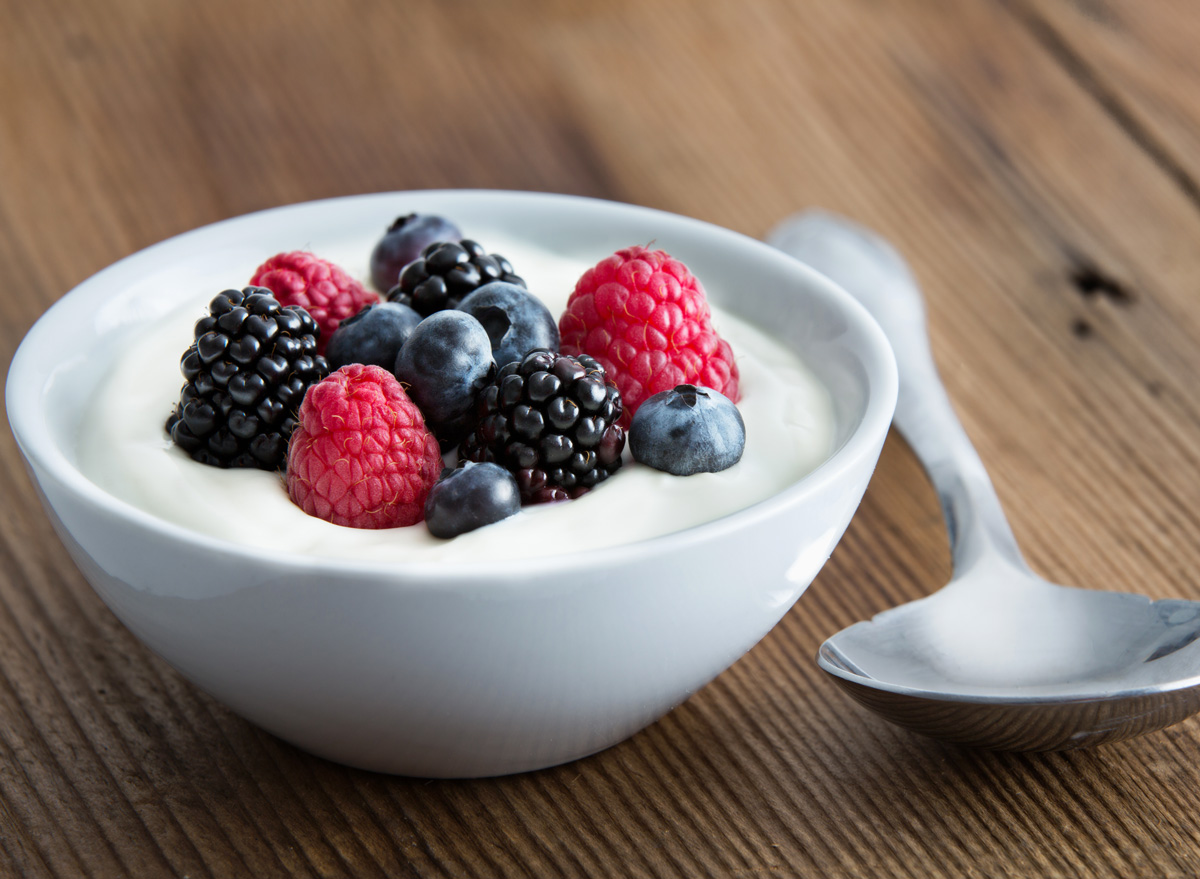
    Greek Yogurt

    Yogurt fruit berries
    Shutterstock

    Two trace minerals are also connected to hair growth: selenium and iodine. Both minerals are necessary for proper functioning of the thyroid gland and deficiencies in each can lead to hair loss. To keep a steady dietary source of both minerals, consider having yogurt for breakfast or as a post-workout snack. The dairy product is teeming with the minerals. In fact, one cup of plain low-fat Greek yogurt contains half your daily iodine and 34 percent of your DV selenium. For luscious locks, don’t miss our picks for the best yogurts for Weight Loss.

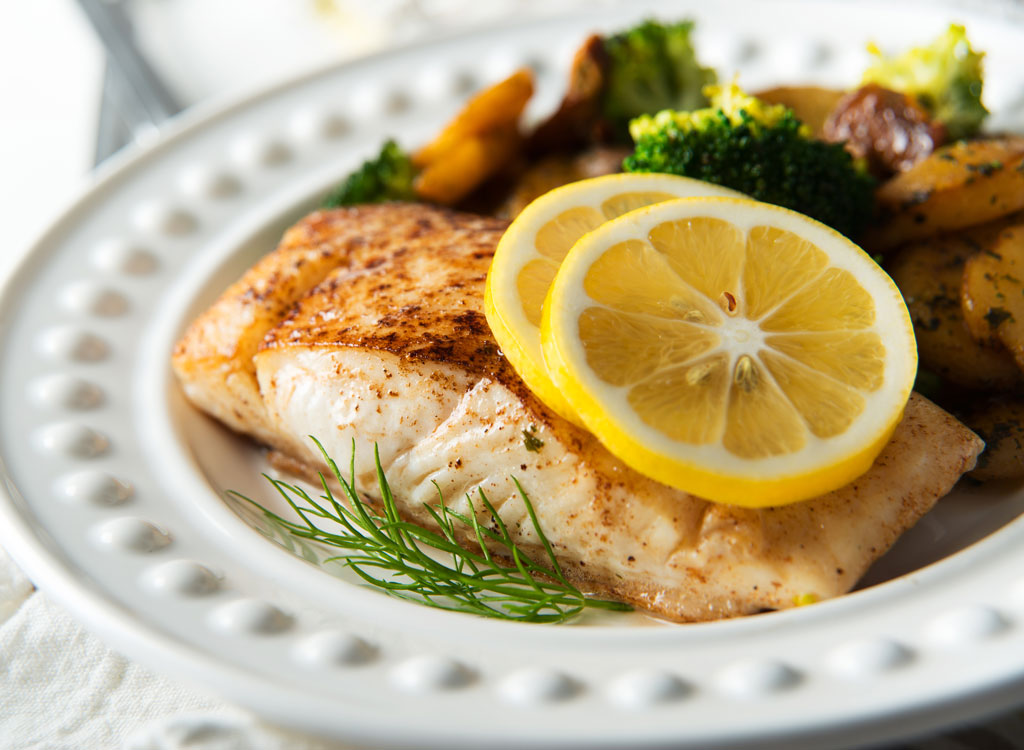
    Halibut

    Broiled halibut - food for hair loss
    Shutterstock

    Besides iron, another important mineral for keeping the shine off your dome is magnesium. When your body has a magnesium deficiency, it can lead to a higher concentration of calcium, which may lead to higher insulin levels. Higher insulin levels may cause hair loss, according to the Indian Dermatology Online Journal. Halibut has plenty of magnesium, as do several other types of fish.

  • V2105009 Over 50 STOP Eating 7 Worst Fruits They Are Destroying Your Leg Strength HarmoniqHealth MibJoVsaic0 Part 2

    V2105009 Over 50 STOP Eating 7 Worst Fruits They Are Destroying Your Leg Strength HarmoniqHealth MibJoVsaic0 Part 2

    11 Best and Worst Foods for Boosting Metabolism

    Although genetics has the biggest effect on your ability to burn fat, certain foods can rev up your metabolism or seriously slow it down.

    11 Best and Worst Foods for Boosting Metabolism

    Laroslava Zolotko/AdobeStock

    By

    Julie Revelant

    Updated on June 26, 2023Medically Reviewed

    by

    Roxana Ehsani, RD

    EXPLORE THIS TOPIC

    When we can’t lose weight or our weight loss stalls, we blame it on our faulty metabolism. Yet if metabolism really is to blame, can you counteract the effect by eating certain metabolism-boosting foods?

    Possibly. What we eat can help influence our metabolic process and make it a little more or a little less efficient. But before you overhaul your diet, it’s necessary to understand how your metabolism functions.

    What Is Metabolism, and How Does It Work?

    “Your metabolism is what’s in control of your body and how it makes and burns energy from food,” says Melissa Majumdar, RD, the bariatric coordinator at Emory University Hospital Midtown in Atlanta and a spokesperson for the Academy of Nutrition and Dietetics. “We rely on our metabolism to do everyday activities but also to breathe, think, digest, circulate blood, and regulate temperature,” she explains.

    Metabolism consists of our resting metabolic rate (RMR), which is the energy our body uses to breathe, circulate blood, and perform other basic functions; activity thermogenesis, which is any type of activity or exercise; and the thermal effect of food. “By just eating, we’re burning calories to turn that food into energy,” Majumdar explains.

    Each one of these factors makes up a typical percentage of the total energy expenditure, but there is some variability. For most people, thermogenesis makes up about 10 to 15 percent of their total energy expenditure, while resting metabolic rate accounts for about 50 to 70 percent. Your resting metabolic rate can vary widely depending on factors such as age, sex, body mass, and physical activity, according to Harvard Health Publishing.

    What Affects Our Metabolism, for Better or Worse?

    Genetics play the biggest role in metabolism, but some variations are seen among certain ethnic groups.

    Lean muscle mass also affects metabolism, because muscle burns more calories than fat, even at rest. Men have more lean muscle mass on average compared to women of the same age and weight, which is one reason they often have higher metabolic rates, according to Mayo Clinic. Increasing muscle mass through exercise increases your metabolism even when you’re not actively exercising.

    How Does Eating Certain Foods Help Rev Up Your Metabolism?

    Certain foods can speed up or slow down metabolism, potentially affecting weight loss. But it’s not a simple, direct relationship — “eat this to boost your metabolism and lose weight.”

    For example, meals high in protein cause our metabolism to increase, but it’s usually temporary. “At that meal, your energy expenditure is greater,” says Majumdar. “Whether that actually translates to big changes, weight management, or weight loss is a different story.”

    What’s more, with respect to weight loss, metabolism isn’t the only factor; the amount we eat also matters. Eating meals high in protein, fiber, and healthy fats promotes satiety, meaning we’re less likely to eat as much at the next meal.

    On the flip side, not eating enough calories can cause your body to use muscle for energy, which can lead to a loss of muscle mass. If the body is trying to reserve its energy stores, metabolism will slow.

    Experts agree that there’s no one food that will have such a significant effect on our metabolism that it would cause us to lose weight. But there are foods that may rev up your metabolism a bit, and there are others you should eat in moderation or avoid altogether.

    Six of the Best Foods to Help Boost Your Metabolism

    1. Avocado

    avocado
    Alamy

    Avocado is high in healthy polyunsaturated and monounsaturated fats, which promote satiety. A study found that adding half an avocado at lunch may help overweight people feel more satisfied and reduce their desire to eat in the hours following a meal.

    Since avocado is an anti-inflammatory food, it may have a secondary effect. “Inflammation can definitely interfere with a lot of different things in your body, one of which might be metabolism,” says Lisa Moskovitz, RDN, the CEO of the New York Nutrition Group in New York City.

    If you’re trying to lose weight, be mindful of portion sizes. One-quarter of an avocado has 81 calories and 7 grams of fat, according to the U.S. Department of Agriculture.

    2. Tempeh

    Tempeh
    Shutterstock

    High in protein and fat, tempeh promotes satiety — a feeling of fullness. Since the soybeans it’s made with are fermented, tempeh contains probiotics, which can be beneficial for gut health and may improve immunity. “When all that is running well, it can help you have more energy and burn more calories,” Moskovitz says.

    A meta-analysis suggested that adults who take probiotic supplements may lose weight; the review did not attribute this to a direct increase in metabolism. It’s important to note that research on the link between probiotics, gut health, and weight is still preliminary. Many more studies are needed before probiotics in food or supplement form can be recommended for weight loss or healthy weight maintenance.

    3. Chili Pepper

    Chili peppers
    Shutterstock

    Studies show that eating spicy foods like chili peppers may help speed up metabolism. A meta-analysis found that capsaicin, an active compound found in chili peppers, helps to speed up metabolism and may play a role in weight loss as a result. The studies included in the analysis used capsaicin supplements, so it cannot be assumed that capsaicin-containing foods (which have lower amounts of the compound than concentrated supplements do) would have the same effect on metabolism.

    4. Beans

    Beans
    Nopparat Promtha/Shutterstock

    Beans are an excellent source of protein to keep you feeling satiated — and amino acids, the building blocks of protein, can help preserve muscle mass and thus burn more calories while your body is at rest. “Foods that promote or preserve lean muscle mass are always good for metabolism,” Moskovitz says.  

    Additionally, the fiber in beans helps to fill you up with fewer calories so you can go for a longer time between meals or eat less overall.

    Eating ¾ of a cup each day of beans or legumes was found to contribute to just over half a pound of weight loss over about six weeks, according to a systematic review and meta-analysis. Although a half pound itself isn’t a huge amount, adding beans and legumes to your diet may help you lose weight and prevent you from gaining it back, the authors noted.

    5. Whole Grains

    Whole grains
    iStock

    Unlike refined grains, whole grains contain fill-you-up fiber, are anti-inflammatory, and may be beneficial for weight management. A study suggested that swapping whole grains for refined grains may result in a “modest increase” in resting metabolic rate. Study participants who substituted whole grains for refined also had increased calorie loss during digestion.

    6. Eggs

    Eggs
    Yulia Kotina/500px

    Eggs are not only low in calories, but because they’re an excellent source of protein and some healthy fat, they stave off hunger. They’re also a good source of B vitamins, which have been shown to boost metabolism. “B vitamins help convert the foods you eat into energy, so they help with processing those calories better and using them for energy,” Moskovitz says.

    Research published in the International Journal of Obesity looked at overweight and obese adults over an eight-week period. Two sets of participants went on a diet that reduced their energy intake by 1,000 calories a day. One of these groups ate two eggs for at least five days a week for breakfast and the other group consumed the same amount of calories but ate bagels. The egg eaters lost 65 percent more body weight, 16 percent more body fat, had a 61 percent greater reduction in body mass index (BMI) and a 34 percent greater reduction in waist circumference. (The study also looked at two other groups of participants, who did not go on a reduced-calorie diet but followed the same egg or bagel plan. No statistical differences in weight or fat loss were shown between these sets.)

    Five Foods to Cut Back On When It Comes to Metabolism

    1. Refined Grains

    Refined grains
    Shutterstock

    Refined grains have the germ and bran removed. This gives them a finer texture and longer storage life, according to Mayo Clinic. You can find them in white bread, white pasta, white rice, many pastry items, and processed, packaged foods. Unfortunately, they can sabotage weight loss. A study linked a weight gain of 0.39 pounds over a four-year period to each daily serving of refined grains.

    Refined grains contain empty calories, lack fiber, and can cause blood sugar spikes. “They’re not as filling, so you can end up eating a lot more, taking in a lot more calories, and it can make you feel a lot more tired and sluggish,” Moskovitz says.

    2. Sugary Beverages

    Fruit juice
    Shutterstock

    Sweetened beverages like soda, sports drinks “juices” without 100 percent juice, and vitamin-enhanced waters could slow down your metabolism. A study found that eating a high-protein meal with a sugar-sweetened drink may negatively impact energy balance, reduce fat metabolism, and cause the body to store more fat.

    While fruit juice may not contain added sugars, it’s still high in calories, and juicing strips the fiber content from fruit. Since it’s a concentrated form of sugar, juice can stimulate your hunger, increase blood sugar and make you feel hungry shortly after you drink it, Moskovitz says.

    3. Alcohol

    Alcohol
    Thinkstock

    Alcohol is loaded with calories, and when we drink it, we often don’t make the best choices when it comes to food. Since alcohol consumption also negatively affects blood sugar, you might crave sugary foods after a few glasses of wine and the next day feel unmotivated to exercise. “For some people, it could take a few days to return to your normal, functioning self,” Moskovitz says.

    A review found that heavy drinking and binge drinking are associated with an increased risk for obesity.

    4. Granola

    granola
    Shutterstock

    Although it’s often promoted as a health food, granola is high in calories and fat, and the high sugar content in most types can spike your blood sugar and make you feel hungrier. Instead, look for granola made with 100 percent whole grains, nuts, and a limited amount of dried fruit, and avoid those with added sugar and oils. “Granola is one of those mythical health foods that has a lot of calories [and] can have a lot of sugar,” Moskovitz says.

    5. Soybean Oil

    soybean oil
    Shutterstock

    Soybean oil is high in calories and omega-6 fatty acids, which can promote inflammation and may contribute to weight gain. A study noted that soybean oil is the component in the American diet that has increased the most over the past century, paralleling a rise in obesity. Foods high in omega-6 fatty acids can also promote insulin resistance and resistance to leptin (a hormone that tells your body that you’re full). Decreasing omega-6 fatty acids and increasing omega-3 fatty acids can aid weight loss, according to a review.

    Swap soybean oil and other oils high in omega-6 fatty acids for olive oil or flaxseed oil, or eat fatty fish such as salmon. Of course, soybean oil may be difficult to avoid because it’s an ingredient in a number of processed foods. Rather than making a swap in this case, avoid the processed food altogether and choose whole foods.  

  • V2105007 Over 50 4 Nuts You Should Eat 4 You MUST NEVER Touch HarmoniqHealth K0 SMAvfcmQ Part 2

    V2105007 Over 50 4 Nuts You Should Eat 4 You MUST NEVER Touch HarmoniqHealth K0 SMAvfcmQ Part 2

    25 Healthy Late-Night Snacks to Satisfy Midnight Cravings

    Step away from the leftover pizza


    Author image: headshot

    By Katherine Gillen

    •

    Updated Jan 12, 2025

    Additional reporting by

    Taryn Pire

    Medically reviewed by

    Dr. Felicia D. Stoler, DCN, MS, RDN

    PureWow editors select every item that appears on this page, and some items may be gifted to us. Additionally, PureWow may earn compensation through affiliate links within the story. All prices are accurate upon date of publish. You can learn more about the affiliate process here.

    healthy midnight snacks: sweet potato hummus with crispbread

    Photo: Liz Andrew/Styling: Erin McDowell

    Despite your best efforts to get a good night’s sleep (read: hitting the hay at 10 p.m., preparing healthy dinner recipes, taking an Instagram hiatus and keeping your phone off the nightstand), there’s one crucial factor that keeps you tossing and turning: You’re hungry.

    Instead of raiding the kitchen for whatever leftovers you can find and eating them by the light of the refrigerator (looking at you, chicken wings), consider these better-for-you, late-night snacks that won’t give you a stomachache before bed. Here are the 25 best healthy midnight snacks that I’d eat any time of day.

    RELATED


    65 Clean-Eating Dinner Recipes for the New Year and Beyond


    Meet the Experts

    Is It Unhealthy to Eat Late at Night?

    In a perfect world, we wouldn’t eat right before bed. “This is inherently problematic,” explains Felicia Stoler, registered dietitian, nutritionist and exercise physiologist. “Late-night foods should not spend too much time in the stomach [because they can] potentially cause reflux.”

    If you absolutely *need* a midnight snack, Stoler recommends having something balanced with protein, carbs and not too much fat to hold you over through the night. “Yogurt, milk (plain or flavored), cottage cheese and nut butters are examples of ideal late-night foods because they have all three macronutrients, are easily digestible (meaning they spend the least amount of time in your stomach and can be easily absorbed into the bloodstream to maintain overnight blood glucose levels),” she explains. Skip anything acidic, robustly seasoned, spicy, high in fat or high in sugar, and stick to a small portion.

    Ready to nosh? Here’s a sneak peek of 25 nutritionist-approved healthy midnight snacks to eat whenever (including before bed, if you must):

    healthy midnight snacks: hummus

    Photo: Liz Andrew/Styling: Erin McDowell

    1. Hummus with Whole Grain Crackers or Veggies

    • Calories: ~180 calories per serving
    • Serving Size: 2 tablespoons hummus with up to six whole grain crackers or a cup of veggies
    • Key Nutrients: vitamin B6, folate, fiber

    I knew there was a reason I loved chickpeas. “They’re packed with protein—three grams for every two tablespoons,” says Daryl Gioffre, a New York City-based functional nutritionist and author. “Chickpeas are high in lysine, and tahini is a rich source of the amino acid methionine. Individually, [chickpeas and tahini] are incomplete proteins, but when you combine them to make hummus, they create a complete protein.”

    Why are complete proteins so important, you ask? They keep you full, which means no more tossing and turning over a rumbly stomach. “For a late night snack, you can use hummus as a dip for raw veggies or Ezekiel bread,” says Gioffre. Don’t mind if I do.

    healthy midnight snacks: oatmeal

    Simon Pask/The Happy Balance

    2. Oatmeal

    • Calories: ~150 calories per serving
    • Serving Size: ½ cup dry oats
    • Key Nutrients: B vitamins, iron, magnesium

    You probably associate oatmeal with the early morning hours, but it has plenty of nighttime benefits, too. For starters, oats are a complex carb that breaks down slowly, controlling blood sugar spikes that might mess with your sleep. And if you find a warm bowl of oatmeal cozy and soothing, you’re not alone. According to a Columbia University study, the carbs actually work with your brain to release the neurotransmitter serotonin, which coaxes you into a tranquil state and helps your body produce melatonin for a restful night of sleep.

    healthy midnight snacks: popcorn

    Cookie and Kate

    3. Popcorn

    • Calories: ~100 calories per serving
    • Serving Size: 3 cups air-popped popcorn
    • Key Nutrients: B vitamins, fiber

    You’re trying to quell a craving, not put yourself in a full-on food coma. That’s where popcorn comes into play. The crisp, salty snack is naturally light (a whopping three-cup serving clocks in at about 100 calories), so you can nosh without getting weighed down before bed. As long as it’s not covered in butter and salt, it’s a solid choice. Oh, and there’s also the complex carb factor again; a whole-grain, healthy midnight snack will stick to your ribs much longer than a cookie or bowl of ice cream. Invest in an air popper, which will pop the corn kernels with—you guessed it—air instead of oil or butter.

    healthy midnight snacks: low fat greek yogurt

    Gimme Some Oven

    4. Low-Fat Greek Yogurt and Fruit

    • Calories: ~130 calories per serving
    • Serving Size: 6 ounces yogurt with ½ cup berries
    • Key Nutrients: calcium, vitamin D, protein

    You already know that Greek yogurt is a great source of protein, but did you know it could help you catch ZZZs? The calcium in yogurt helps your brain use tryptophan and melatonin, and one University of Pennsylvania sleep study even suggests that it can help you stay asleep longer. Instead of loading up on sugary sweetener, which can potentially throw your blood sugar out of whack, top your bowl with fresh fruit and crunchy chia seeds. (Oh, and if you’re prone to heartburn and indigestion, which can be caused by fatty foods, stick to a low-fat option.)

    healthy midnight snacks: peanut butter and jelly sandwich

    Two Peas and Their Pod

    5. Peanut Butter and Jelly Sandwich

    • Calories: ~200 calories per serving
    • Serving Size: one slice whole-grain bread with 1 tablespoon each of peanut butter and jelly
    • Key Nutrients: vitamin E, magnesium, protein

    Who knew your childhood favorite was actually a prime midnight snack? Here’s why: According to the National Sleep Foundation, peanut butter is a natural source of tryptophan (aka an amino acid that induces sleepiness), and carbohydrates make tryptophan more available to the brain. Consider the combination of protein-rich peanut butter and complex carbs pure bedtime magic. Oh, and as far as healthy snacks for kids go, the PB&J is among the most beloved.

    healthy midnight snacks: roasted pumpkin seeds

    Minimalist Baker

    6. Pumpkin Seeds

    • Calories: ~150 calories per serving
    • Serving Size: 1 ounce (about ¼ cup)
    • Key Nutrients: magnesium, zinc, iron

    What’s salty, crunchy and a surefire way to put you to sleep? Pumpkin seeds, of course. According to the American Sleep Association, these are a good source of the sleep-inducing mineral magnesium and the amino acid tryptophan. They’re also packed with zinc, which can help the brain convert tryptophan into serotonin. Not to mention they’re satisfyingly crunchy and savory to boot.

    healthy midnight snacks: bananas and peanut butter

    Pinch of Yum

    7. Bananas and Peanut Butter

    • Calories: ~200 calories per serving
    • Serving Size: one small banana with 1 tablespoon peanut butter
    • Key Nutrients: potassium, vitamin B6, healthy fats

    Remember how your high school track coach told you to eat bananas to prevent or soothe leg cramps? That’s because the fruit contains potassium, which aids muscle relaxation. Combine it with peanut butter for a winning midnight snack, since it’s not only delicious, but also full of healthy fats to keep you satisfied, says the Cleveland Clinic. And while you could certainly slap some PB on a ripe banana and call it a day, why not make a healthy, two-ingredient ice cream-like treat out of the combo?

    healthy midnight snacks: roasted nuts

    Photo: Liz Andrew/Styling: Erin McDowell

    8. Nuts

    • Calories: ~200 calories per serving
    • Serving Size: ¼ cup mixed nuts
    • Key Nutrients: vitamin E, magnesium, healthy fats

    When it’s late at night, you don’t want to do much work for a snack. A small handful of nuts fits the no-cook bill, thanks to their high protein content and healthy fats. Gioffre says that nuts (specifically organic ones) “are nutritional powerhouses that can help regulate blood sugar level, fight inflammation, decrease hunger urges, help weight loss and lower your risk of cardiovascular disease.” His go-tos? “Raw almonds, pistachios and macadamias. [They’re] high in healthy fats, they suppress hunger, optimize brain function and help you burn fat.”

    Plus, according to the National Sleep Foundation, almonds and walnuts specifically contain the sleep-regulating hormone melatonin. Just make sure you stick to a handful and not the whole bag—that works out to about 200 calories per quarter cup, give or take.

    healthy midnight snacks: almond butter

    Photo: Liz Andrew/Styling: Erin McDowell

    9. Almond Butter

    • Calories: ~100 calories per serving
    • Serving Size: 1 tablespoon
    • Key Nutrients: vitamin E, magnesium, calcium

    Speaking of nuts, almond butter is an equally convenient grab-and-go option. And considering that a quarter cup of almonds contains 24 percent of your daily recommended magnesium intake, plus tryptophan and potassium, they’re a no-brainer for late night hunger pangs. Magnesium is a great relaxation mineral too, so it’ll help you wind down as bedtime approaches. Almond butter also boasts heart-healthy monounsaturated fats, vitamins and minerals, which are good for you any time of day, according to Cedars-Sinai Medical Center. As long as the almond butter you choose is raw and free of added sugar, it has all the benefits of whole almonds.

    healthy midnight snacks: turkey sandwich

    Lexi’s Clean Kitchen

    10. Turkey Sandwich

    • Calories: ~200 calories per serving
    • Serving Size: one slice whole-grain bread with 2 ounces turkey
    • Key Nutrients: protein, B vitamins

    You’ll never forget when your Uncle Bill fell asleep at the table last Thanksgiving. It was potentially thanks to the turkey, which is known for being rich in serotonin-producing tryptophan. That’s exactly what makes it a smart midnight snack. Pair it with whole-grain bread to sneak in some complex carbs (you can also go the route of jasmine rice or sweet potatoes, says Northwestern Medicine), or keep it low-cal with a lettuce wrap instead.

    healthy midnight snacks: cottage cheese

    The Almond Eater

    11. Low-Fat Cottage Cheese

    • Calories: ~90 calories per serving
    • Serving Size: ½ cup
    • Key Nutrients: calcium, protein, vitamin B12

    Cottage cheese got a bad rap for being a bland weight loss staple back in the day, but it’s a hidden gem for insomniacs—not to mention tasty. The lean protein (which comes from slow-digesting casein) helps boost that aforementioned serotonin and, according to a recent study by Cambridge University, can actually help you hit your weight loss goals while you sleep by helping you feel more satiated and increasing your resting energy expenditure the next morning. Want to boost the snooze factor? Top a half-cup serving with raspberries for a 100-calorie midnight snack with a touch of melatonin.

    healthy midnight snacks: edamame

    Photo: Liz Andrew/Styling: Erin McDowell

    12. Edamame

    • Calories: ~100 calories per serving
    • Serving Size: ½ cup
    • Key Nutrients: protein, fiber, folate

    Memorize this equation: Protein plus fiber equals the best sleep of your life. Edamame (aka soybeans in their pods) have both going for them, so they’re a natural choice when you need a quick bite. And specific compounds in soy, called soy isoflavones, have been found to potentially increase the duration of sleep, according to this Japanese study.

    healthy midnight snacks: eggs

    Gimme Some Oven

    13. Eggs

    • Calories: ~70 calories per serving
    • Serving Size: 1 large egg
    • Key Nutrients: vitamin B12, protein, choline

    By now, you can probably guess why eggs are a healthy midnight snack: They’re protein-rich and full of tryptophan. The American Sleep Association says they might make you sleepy for that reason, but I also love that they’re portioned and packaged for easy eating. Plus, you already have a stash of jammy eggs in your fridge for salads and healthy breakfasts, right?

    healthy midnight snacks: cheese and crackers

    Photo/Styling: Taryn Pire

    14. Cheese and Crackers

    • Calories: ~150 calories per serving
    • Serving Size: four to five whole grain crackers and 1 ounce cheese
    • Key Nutrients: calcium, protein, vitamin A

    When it comes to sleep, cheese is a surprisingly sound choice. That’s because it’s high in calcium, which has been tied to better sleep. It’s also loaded with protein, plus some tryptophan and melatonin for good measure. Pair a few slices of cheese with whole-grain crackers, sprouted bread or apple for the ultimate protein-carb combination.

    healthy midnight snacks: avocado toast

    Minimalist Baker

    15. Avocado Toast

    • Calories: ~200 calories per serving
    • Serving Size: one slice whole-grain bread with ¼ avocado
    • Key Nutrients: potassium, vitamin E, healthy fats

    Good news for anyone who worships at the avo toast altar: Dr. Gioffre calls the fruit (yep, it’s a fruit) “God’s butter.” That’s because it has “a nice balance of healthy fats, more potassium than bananas and plenty of fiber to keep your digestion in check.” Want to bring it up a notch? Dr. Gioffre suggests making your toast with sprouted bread, tomato, extra-virgin olive oil, sea salt and black pepper.

    healthy midnight snacks: fresh vegetables

    Photo: Nico Schinco/Styling: Sarah Copeland

    16. Fresh Vegetables

    • Calories: ~50 calories per serving
    • Serving Size: 1 cup mixed veggies
    • Key Nutrients: vitamins A, C and K, fiber

    You can never go wrong with raw veggies. The trick is making them exciting enough so that you actually want to eat them. (This roasted red pepper sauce will do just that, but you can also lean on whatever dressing you have stowed away in the fridge.) The only caveat? Steer clear of produce that contains a ton of fiber, like carrots and beets, to avoid being bloated and gassy before bed, says Sleep Health Solutions. Cruciferous veggies, like broccoli and cauliflower, are also best avoided late at night because they contain a large amount of insoluble fiber. Instead, go for lettuce, kale, tomatoes and fruits, like kiwi and cherries.

    healthy midnight snacks: guacamole

    Photo: Liz Andrew/Styling: Erin McDowell

    17. Guacamole

    • Calories: ~150 calories per serving
    • Serving Size: ¼ cup
    • Key Nutrients: vitamins C and E, potassium, healthy fats

    If avocado toast is on the to-snack list, then so is guacamole. As Gioffre stated above, avocado’s healthy fats will keep you full and its potassium content could help you sleep better. Additional ingredients in the guac can also boost your slumber: Tomatoes are loaded with lycopene, which aids in heart and bone health, as well as sleep-inducing potassium, while tryptophan-rich onions can help lower your stress level and aid in relaxation. (Just go light on the lime juice, onions and jalapeños if you have acid reflux or indigestion.) For a twist on the dip, try this avocado hummus that boasts two nutritionist-recommended staples in one creamy package. Dip pita chips, cherry tomatoes or crackers, or sneak a spoonful and call it a night.

    healthy midnight snacks: smoothie

    Erin McDowell

    18. Smoothie

    • Calories: ~180 calories per serving
    • Serving Size: 8 ounces (1 cup)
    • Key Nutrients: vitamins C and K, folate, protein

    Why should mornings get to have all the fun? Smoothies can be sipped at night too, and they’re as healthy as whatever you put in them. Blending many sleep-inspiring foods, like tart cherry juice, pistachios and avocado, could help you reach maximum coziness. If you use kefir or yogurt in the smoothie, the probiotics could potentially help the release of serotonin in your brain, says nutrition expert Frances Largeman-Roth, RDN. Add magnesium-rich hemp or chia seeds for even more sleep support.

    The avocado and chia seeds in this green smoothie will keep you feeling full, while the banana and Granny Smith apple make it naturally sweet enough to satisfy a late-night craving. Or, if you’re feeling lazy (no judgment), try a smoothie starter like Bumpin Blends, of which founder Lisa Mastela, MPH, RD, says, “No more wilted spinach judging you in the back of your fridge, huge messes or not-so-delicious concoctions. Just dietitian-developed, healthy, crave-worthy smoothies in seconds.”

    healthy midnight snacks: veggie chips

    Photo: Eric Moran/Styling: Erin McDowell

    19. Veggie Chips

    • Calories: ~130 calories per serving
    • Serving Size: 1 ounce (about 20 to 25 chips)
    • Key Nutrients: fiber, vitamins A and C (depending on the vegetable)

    My kryptonite: potato chips. I can eat a million of ’em without even blinking, but sleeping after all that salt and oil leaves me feeling bloated and greasy. Luckily, these zucchini alternatives are just as crisp and tasty, minus the frying. But there are a slew of other vitamin-rich types to snack on too, like turnip chips, carrot chips and sweet potato chips. As long as they’re baked instead of fried (or air-fried without oil), they’re a solid option, says Sleep Advisor.

    healthy midnight snacks: sweet potato fries

    Photo: Liz Andrew/Styling: Erin McDowell

    20. Sweet Potato Fries

    • Calories: ~180 calories per serving
    • Serving Size: one medium sweet potato, baked
    • Key Nutrients: vitamin A, potassium, fiber

    I’ve never met a French fry I didn’t like, but since these are baked instead of fried, they contain way less fat and are less fussy to prepare. They’re also made with sweet potatoes, which contain a ton of vitamins and minerals, plus a bit of protein to hold you over before bedtime. But most importantly, they’re teeming with relaxing potassium, magnesium and calcium, especially if you leave their skin on. Their carb content will make it easier for your brain to absorb the tryptophan, which will then be converted to serotonin-producing niacin.

    healthy midnight snacks: beef jerky

    Gimme Some Oven

    21. Beef Jerky

    • Calories: ~100 calories per serving
    • Serving Size: 1 ounce
    • Key Nutrients: protein, iron, zinc

    Protein is the way to go when you feel a late-night craving coming on, as long as you don’t consume too much of it. Eating a large portion before bed may keep your body up longer than you’d like for the sake of digestion, plus too much pre-bedtime protein may give you a surplus of energy before hitting the hay. But if you’re craving something savory and filling, it’s OK to have a small piece or two. Jerky is a great source of protein and iron; just note that it can also be high in sodium, since it’s typically cured in a salt solution. So, you shouldn’t nosh on it 24/7, especially if you have high blood pressure. Make your own in advance instead of leaning on store-bought processed jerky, if you’re feeling ambitious.

    healthy midnight snacks: cereal and milk

    Food Faith Fitness

    22. Cereal and Milk

    • Calories: ~150 calories per serving
    • Serving Size: ¾ cup cereal with ½ cup milk
    • Key Nutrients: calcium, vitamin D, iron

    Like oatmeal, cereal is just as good for you at night as it is first thing in the morning. Since many corn-based cereals contain high-glycemic carbs, they could potentially reduce the time it takes for you to fall asleep. Even better, milk is a great source of calcium, a mineral that’s essential for the production of melatonin. Choose something with minimal sugar and use low-fat milk to keep the calories low and to make the meal more digestible. (You could even try meal prepping a batch of this six-ingredient Paleo cinnamon toast cereal to have on hand.)

    healthy midnight snacks: white rice

    Paul Brissman/Antoni: Let’s Do Dinner

    23. White Rice

    • Calories: ~100 calories per serving
    • Serving Size: ½ cup cooked
    • Key Nutrients: magnesium, protein (minimal)

    White rice’s high glycemic index means that it will give your blood sugar and insulin a natural boost, consequently helping the tryptophan lull your brain to sleep, says the American Sleep Association. Not to mention that rice is high in magnesium, which also aids in sleep, and it’s easy to digest, according to dietitian Samina Qureshi, RD. Want to make it even more satisfying and soothing? Pair it with green tea broth and even salmon, if you’re feeling extra hungry—fatty fish’s high levels of vitamin D may help improve the quality of your sleep, too.

    healthy midnight snacks: sorbet

    Photo: Liz Andrew/Styling: Erin McDowell

    24. Sorbet

    • Calories: ~100 calories per serving
    • Serving Size: ½ cup
    • Key Nutrients: vitamin C (depending on the fruit)

    For those nights when your heart cries “ice cream,” but your brain says “I can do better.” Sorbet tends to be lower in fat than dairy ice cream, but just as high in sugar. Finding a sugar-free one—or better yet, making your own from pure fruit—is important to make sure you don’t get a sugar rush before hitting the pillow. (On that note, a 2014 study found that a diet high in sugar was linked to poor sleep overall.)

    Choose any flavor sorbet you’d like, but I’m partial to this twice-frozen watermelon version that doesn’t call for additional sugar. You’ll have an easy time digesting it if it’s dairy-free and as close to pure fruit as possible with minimal refined, added sugar. Frozen yogurt is also a solid ice cream alternative.

  • V2105013 Seniors Here s What Happens to Your Prostate When You Masturbate The Results Are Astounding 03 CK3BOVAgOI0 Part 2

    V2105013 Seniors Here s What Happens to Your Prostate When You Masturbate The Results Are Astounding 03 CK3BOVAgOI0 Part 2

    12 Surprising Health Benefits of Sex After 50

    Research shows regular romps are linked to better mental and physical health


    Happy couple relaxing at home on the bed.

    Stocksy

    A quick romp in the hay doesn’t just feel good. It turns out that sex has advantages that go way beyond simple pleasure.

    In fact, sexual activity with or without a partner is linked to some impressive, research-backed health benefits, says Kate Thomas, director of clinical services at the John Hopkins Sex and Gender Clinic. And, she noted, it’s not just for young people.

    Volunteer with AARP

    Join AARP’s community and donate your time and talent.

    “Sex can be hugely beneficial for people as they get older, not only for the reported medical health benefits but for our psychological and emotional health,” Thomas says. “It can strengthen our relationships, promote self-esteem and improve our sense of identity.”

    Here are 12 other surprising health benefits of sex.

    1. Boosts immunity

    Hopping in the sack on a regular basis may help boost your immune system and protect you from getting sick, studies show.

    Researchers at Wilkes University in Pennsylvania found that college students who had sex one to two times a week had significantly more immunoglobulin A in their systems than people who had sex less often. Immunoglobulin A is an antibody in the mucosal membranes that is considered a first-line defense against infection.

    Another study, in 2021, found that having sex more than three times a month seemed to offer a protective effect against COVID-19.

    Researchers aren’t sure exactly why sex seems to drive up immunity, but Thomas said it may be because sex increases blood flow, helping to distribute antibodies throughout the body.

    2. Improves heart health

    Some men worry that sex could trigger a heart attack, but studies show that’s exceedingly rare, especially if you exercise regularly. In fact, the latest research shows that regular romps with your partner are linked to a lower risk of heart problems. 

    A large study published in The American Journal of Cardiology found that men who had sex at least twice a week were 50 percent less likely to die of heart disease compared with men who had it once a month.

    More recent research published in Nature in December 2024 looked at both men and women and similarly revealed that those having sex less than once a month faced the highest risks of cardiovascular disease. The greatest cardiovascular benefits were seen in those having sex once or twice a week, the study showed.

    For women, a large analysis revealed that those who are satisfied with their sex lives are less likely to have peripheral artery disease, a condition that narrows the arteries and makes stroke more likely.

    Researchers believe the protective effects stem from a variety of factors, including lower stress levels, improved sleep and the stronger connection to your partner that has been linked to sex.

    3. Strengthens the pelvic floor

    A study published in International Urogynecology Journal found that sexually active women were significantly more likely to have a strong pelvic floor compared with those who were not sexually active.

    That’s probably because every time you have sex, you give the muscles in your nether regions a workout, Thomas says. When you’re aroused, muscle tension in the pelvic region naturally increases, Thomas explains. Then, during orgasm, all the muscles contract, just as they would during a Kegel exercise.

    Having strong pelvic floor muscles gives you control over your bladder and helps prevent incontinence. In men, a weak pelvic floor can contribute to erectile dysfunction.

    Another bonus to strengthening your pelvic floor: Researchers say it may make sex even more pleasurable.

    AARP NEWSLETTERS

    Mujer leyendo tableta

    Get the Your Health newsletter from AARP

    Sign up for the latest health news, fitness and nutrition updates and more!Subscribe

    See All Newsletters

    Privacy Hub

    4. Relieves headaches and other pain

    Before you reach for an over-the-counter pain reliever, try an orgasm. Whether you have headaches, arthritis or another type of chronic pain, sex may offer relief, Thomas says.

    One large observational study found that of those who had a sexual experience during a migraine attack, 60 percent reported partial or complete relief from pain. However, another 33 percent reported their migraines worsening. The researchers noted that some people — particularly male migraine sufferers — used sexual activity as a therapeutic tool for their pain.

    Health & Wellness

    AARP® Staying Sharp®

    Activities, recipes, challenges and more with full access to AARP Staying Sharp®

    Another study found that vaginal stimulation in women elevated their pain tolerance by about 40 percent, while orgasm pushed it up nearly 75 percent.

    Experts credit the release of feel-good hormones including endorphins, the body’s natural pain reliever.

    5. Helps with symptoms of menopause

    Regular sexual activity can help counteract the physical changes, such as vaginal dryness and atrophy, that come with menopause, says Amir Marashi, a gynecologist practicing in Brooklyn, New York.

    In a 2023 cross-sectional study, researchers found that menopausal women who engaged in regular intimacy reported less fatigue and fewer mood swings, along with better sexual function – improved arousal, lubrication and orgasm. The study suggested sexual activity could help reduce menopause symptoms by more than 10 percent, regardless of whether menopause occurred naturally or through surgery.

    Tips for Better Sex

    Aging doesn’t have to put a damper on your sex life. Here are 10 steps for better sex after age 50.

    Sex stimulates blood flow and helps keep vaginal tissues healthy, toned and stretchy. In fact, studies show the more you have sex, the healthier your tissues will be.

    “Any organ that you bring more blood supply to, you keep it more youthful,” Marashi says. “A lot of patients come to me for hormonal replacement therapy. Before all of that, I say, ‘Make sure you get regular, consistent, good orgasms, because that’s going to help a lot.’ ”

    6. Reduces the risk of prostate cancer

    For men, several studies have revealed a link between frequent orgasm and a lower risk of prostate cancer. The prostate holds some of the fluid that is released at ejaculation.

    One Harvard study of almost 32,000 men found that the more a man ejaculated, the lower his risk of the cancer. In fact, those who ejaculated more than 20 times per month reduced their prostate cancer risk by about 20 percent, compared with those who ejaculated four to seven times per month.

    While the reason for the link isn’t entirely clear, experts believe that frequent turnover of the fluids in your prostate is likely good for you. “That way, you flush out more of the potential carcinogens that are there,” Thomas says. “Our system is designed to be flowing and replacing itself.”

    7. Boosts mental health

    A large body of research has found that sexual activity and intimacy are linked to lower rates of depression, anxiety and feelings of isolation, and that regular sexual activity can boost happiness and mood. One of the more recent studies, published in 2021, found that anxiety and depression scores were significantly lower in those who were sexually active during the COVID-19 lockdown compared with those who weren’t.

    8. Reduces stress

    “One of the top benefits of sex, particularly in the acutely stressful world in which we’re living these days, is its ability to immediately melt away built-up stress,” says Paul Hokemeyer, a licensed marriage and family therapist based in New York City. 

    When you’re stressed, your body releases a hormone called cortisol. One 2019 study showed that intimacy with a partner, whether sexual or not, reduced elevated cortisol levels in both men and women.

    Another study, published in the Journal of Sexual Medicine, found that anxiety and depression scores were significantly lower in those who were sexually active during the COVID-19 shutdown.

    In addition, when you have sex, your body releases a cocktail of hormones and neurotransmitters that “help calm us down and make us feel safe and secure in the world,” Hokemeyer explains.

    9. Burns calories

    Getting busy with your partner isn’t going to replace a session on the treadmill, but it does count as physical activity.

    In a study published in the journal PLOS One, Canadian researchers found that men burned 101 calories on average during a 24-minute session, while women burned 69 calories. “These results suggest that sexual activity may potentially be considered, at times, as a significant exercise,” the authors wrote.

    Of course, how many calories you actually burn depends on how long your session lasts and how vigorous it is. But even if your romp lasts only six minutes, the typical length of a session, that’s still better than doing nothing at all. The latest research on physical activity reveals that getting your heart rate up even for just a few minutes conveys health benefits.

    10. Enhances brain health

    Several studies suggest that frequent sexual activity may have a beneficial effect on the brain, particularly in older adults.

    A 2016 study of nearly 7,000 adults aged 50 to 89 found that those who engaged in sex more often demonstrated enhanced recall on memory tests.

    Another study of adults ages 50 and over, published in the Archives of Sexual Behavior in 2018, found that frequent sexual activity and greater emotional closeness during partnered sexual activity was associated with better performance on memory tasks.

    Social psychologist Justin Lehmiller, a Kinsey Institute research fellow and host of the Sex and Psychology podcast, notes that animal studies show regular sexual activity is linked to more neuron growth in the brain.

    11. Helps you sleep

    If you tend to doze off after sex, there’s a scientific explanation for that. During sex, the body releases hormones such as oxytocin and prolactin that induce pleasant and relaxing feelings, Marashi says. Sex also reduces cortisol, which is associated with stress.

    “This can cause someone to feel relaxed and drowsy and make it easier for them to fall asleep,” Marashi says.

    In one study, about 63 percent of participants reported that it was easier to fall asleep after orgasm, and 71 percent of participants reported better sleep quality after orgasm. Despite common perceptions that men are the ones who roll over and start snoring after sex, there was no gender difference in the results.

    If you struggle with sleep, try sex in lieu of a nightcap or sleep medication, Marashi advises.

    12. Extends your life

    You’re never too old to have sex, researchers say, and making it a regular part of your routine may be a tool to extend your life span.

    In Ikaria, Greece — one of the regions of the world where people live significantly longer than average — more than 80 percent of people ages 65 to 100 are having sex, according to Blue Zones, an organization that researches the world’s longest-lived cultures.

    A variety of studies have found a correlation between an active sex life and a longer life. For example, an observational study of 15,269 U.S. adults published in 2020 in The Journal of Sexual Medicine found that death rates were about 50 percent lower for those who had sex at least once a week, compared with those who rarely had sex.

    More recent research indicates that sexual activity is especially beneficial for women and those with depression: women who rarely have sex face a 70 percent higher risk of death compared to those who have sex at least once a week, and those with depression have a 197 percent higher risk of death if they have sex less than once a week, the study showed.

    Experts believe the lower risk of death likely stems from all the other known health benefits of sex, including better heart health, improved sleep, lower stress and a closer relationship with your partner.

    Thomas and Marashi both stress that help is available if physical problems such as erectile dysfunction or vaginal dryness are keeping you from being sexually active.

    “You may not be as frisky as you once were, but [sex] should still be a part of your identity,” Thomas says. “If there is pain or a lack of desire or another problem, there are people out there who can help.”

    Editor’s note: This story, first published Nov. 17, 2022, has been updated to reflect new information.​

  • V2105008 Top 9 Foods to Prevent Leg Cramps in Seniors Even at Night HarmoniqHealth ulihtddVzFQ Part 2

    V2105008 Top 9 Foods to Prevent Leg Cramps in Seniors Even at Night HarmoniqHealth ulihtddVzFQ Part 2

    12 Foods That May Help with Muscle Cramps

    Muscle cramps are painful, involuntary muscle contractions. Research suggests that replacing certain nutrients like potassium, sodium, and magnesium may help reduce them.

    Muscle cramps are typically brief and usually over within a few seconds to a few minutes (1Trusted Source, 2Trusted Source).

    Although the exact cause isn’t always known, intense exercise, neuromuscular abnormalities, medical conditions, an electrolyte imbalance, medication use, and dehydration are thought to be common contributors (2Trusted Source).

    Some research shows that replacing certain nutrients may help counteract muscle cramps. Plus, deficiencies in nutrients like magnesium, vitamin D, and certain B vitamins may increase the chances of muscle cramps (3Trusted Source, 4Trusted Source, 5Trusted Source).

    Here are 12 foods that may help with muscle cramps.

    A person slicing an avocado on a cutting board

    1. Avocado

    Avocados are creamy, delicious fruits that are packed with nutrients that may help prevent muscle cramps.

    They’re particularly rich in potassium and magnesium, two minerals that act as electrolytes in the body and play roles in muscle health. Electrolytes are electrically charged substances that your body needs to perform critical functions, including muscle contraction (6Trusted Source, 7Trusted Source).

    When electrolytes become imbalanced, such as after intense physical activity, symptoms like muscle cramping can arise (3Trusted Source).

    Therefore, if you experience frequent muscle cramps, making sure you consume plenty of electrolyte-rich foods like avocados may help.

    2. Watermelon

    One possible cause of muscle cramps is dehydration. Proper muscle function requires adequate hydration, and a lack of water can hinder muscle cells’ ability to contract, which may cause or exacerbate cramping (8Trusted Source).

    Watermelon is a fruit that has an exceptionally high water content. In fact, watermelon is nearly 92% water, making it an excellent choice for a hydrating snack (9Trusted Source).

    What’s more, watermelon is a good source of magnesium and potassium, two minerals that are important for overall muscular function.

    3. Coconut water

    Coconut water is a go-to choice for athletes looking to rehydrate and replenish electrolytes naturally — and for good reason.

    It’s an excellent source of electrolytes, providing calcium, potassium, sodium, magnesium, and phosphorus — all of which may help decrease muscle cramping (10Trusted Source).

    One study found that when 10 male athletes rehydrated with an electrolyte-containing beverage similar to coconut water after intense exercise, they were less susceptible to electrical-stimulation-induced muscle cramps, compared with when they hydrated with regular water (3Trusted Source).

    This may indicate that staying hydrated with electrolyte-rich coconut water may help reduce your susceptibility to post-exercise muscle cramping, though more research is needed.

    4. Sweet potato 

    Sweet potato

    Sweet potatoes are amongst the healthiest vegetables you can eat due to the powerful combination of vitamins, minerals, and plant compounds found within their flesh and skin.

    They’re packed with potassium, calcium, and magnesium — minerals that are vital for muscle function.

    In fact, 1 cup (200 grams) of mashed sweet potato delivers over 20% of the recommended intake for potassium and nearly 13% of the recommended intake for magnesium (11Trusted Source).

    5. Greek yogurt

    Greek yogurt is a healthy dairy product that’s high in many nutrients, particularly potassium, phosphorus, and calcium — all of which act as electrolytes in your body.

    Muscles need calcium to function properly, which is why a lack of calcium in your blood can lead to muscle-related complications, including muscle cramps and irregular heartbeat (12Trusted Source).

    Greek yogurt is also loaded with protein, which is needed for the growth and repair of muscle tissue.

    Therefore, eating Greek yogurt after a strenuous workout can help replenish certain nutrients that may prevent exercise-related muscle cramps, as well as boost muscle recovery (13Trusted Source).

    6. Bone broth 

    Bone broth is made by simmering animal bones in water for a long time, usually over 8 hours, to create a concentrated broth. Ingredients like apple cider vinegar, herbs, and spices are typically added to enhance the nutritional value and flavor.

    Bone broth may help reduce muscle cramps for several reasons. Given that it’s a liquid, drinking it can help you stay hydrated, which may reduce muscle cramping.

    Plus, bone broth is a good source of magnesium, calcium, and sodium — nutrients that may help prevent cramping.

    When making bone broth, be sure to cook the broth for a long time and add an acidic component, such as apple cider vinegar, to your recipe.

    Research shows that reducing bone broth pH by increasing the acidity and cooking broth for longer than 8 hours results in significantly higher concentrations of calcium and magnesium in the finished product (14Trusted Source).

    7. Papaya 

    Cut-open papaya

    Papayas are tasty tropical fruits that are especially high in potassium and magnesium. In fact, one 11-ounce (310-gram) papaya delivers about 15% and 19% of the recommended intakes for potassium and magnesium, respectively (15Trusted Source).

    One study in 230 women found that those who experienced muscle cramps consumed less dietary potassium than those who did not experience this symptom (16Trusted Source).

    Therefore, consuming more potassium-rich foods like papayas may help reduce your risk of muscle cramps. However, more research in this area is needed.

    8. Beet greens 

    Beet greens are the leafy, nutritious tops of the beet plant. They’re amongst the most nutritious greens you can eat and packed with a number of nutrients that support muscle health and may reduce your risk of muscle cramps.

    For example, 1 cup (144 grams) of cooked beet greens contains over 20% of the recommended intake for both potassium and magnesium. They’re also rich in calcium, phosphorus, and B vitamins, which are important for muscle function as well (17Trusted Source).

    What’s more, beet greens are loaded with nitrates, which are compounds that help improve blood vessel function, ensuring proper blood flow to your muscles. Optimizing blood flow may help reduce muscle cramps (18Trusted Source).

    9. Fermented foods

    Fermented foods, such as pickles and kimchi, are typically high in sodium and other nutrients that may help reduce muscle cramps. Interestingly, some research has shown that consuming pickle juice may help inhibit electrically induced muscle cramps in athletes.

    A study in male athletes demonstrated that drinking small amounts of pickle juice strained from whole pickles reduced electrically-induced muscle cramp duration by 49.1 seconds, compared with drinking plain water or no fluids at all (19Trusted Source).

    Pickles, along with other fermented foods including kimchi and sauerkraut, are rich in electrolytes like sodium and may be a good choice for those who experience frequent muscle cramps.

    However, keep in mind that more research is needed before fermented foods and beverages can be recommended as a treatment for muscle cramps.

    10. Salmon

    Salmon filets

    Salmon is an incredibly rich source of protein, healthy anti-inflammatory fats, and other nutrients that may help prevent muscle cramps, including B vitamins, potassium, magnesium, and phosphorus (20Trusted Source).

    Salmon is also high in iron, a mineral that’s essential for healthy blood cell production, the oxygenation of muscle tissue, and blood flow, which are important for muscle cramp prevention (21Trusted Source).

    Additionally, salmon is a good source of vitamin D. Having healthy blood levels of vitamin D is vital for muscle function, and being deficient in this nutrient may lead to muscular symptoms, such as muscle pain, spasms, and weakness (22Trusted Source).

    Wild-caught salmon is a rich source of vitamin D and has been shown to contain between 8–55 mcg per 3.5 ounces (100 grams).

    The current daily intake recommendation for vitamin D is 15 mcg per day for adults, making wild-caught salmon a smart choice for people looking to increase their intake of this important vitamin (23Trusted Source, 24Trusted Source).

    11. Smoothies

    Smoothies are an excellent choice for people who experience muscle cramps. They’re not only hydrating but also can be customized to contain a hearty dose of muscle-supporting nutrients.

    For example, combining frozen berries, spinach, almond butter, and Greek yogurt in an easy-to-drink smoothie can help deliver the vitamins and minerals that your muscles need to function at an optimal level.

    Plus, sipping on nutrient-rich smoothies may prevent muscle cramps by ensuring your body is properly hydrated and fueled.

    12. Sardines

    Sardines may be tiny, but they pack a punch when it comes to nutrition.

    These small fish are especially high in nutrients that may help prevent and relieve muscle cramps, including calcium, iron, phosphorus, potassium, sodium, vitamin D, and magnesium (25Trusted Source).

    They’re also high in selenium, a mineral that plays an essential role in muscle function. Low selenium levels may lead to muscle weakness or other muscular problems, making it important to include enough selenium-rich foods like sardines in your diet (26Trusted Source).

    The bottom line

    Muscle cramps are a painful symptom experienced by many people.

    Fortunately, eating nutrient-dense foods rich in certain vitamins and minerals may help prevent and treat muscle cramps.

    If you frequently experience muscle cramps, try adding a few of the foods and beverages on this list into your diet for natural relief.

    If your symptoms don’t improve or worsen, be sure to speak with your healthcare provider about possible causes and treatment options.

  • V2105014 Seniors Stop Eating These 5 Foods They re Destroying Your Intimacy and Circulation IYSqzP3Czvw Part 2

    V2105014 Seniors Stop Eating These 5 Foods They re Destroying Your Intimacy and Circulation IYSqzP3Czvw Part 2

    Healthy Aging

    Skip Navigation

    Overview

    Media Gallery(5 videos)

    1. Heart Health: Where Will You Be in 5 Years?
    2. Older Adults: Be Inspired to Get Active
    3. Older Adults: Overcoming Barriers to Fitness
    4. Pneumococcal Vaccine
    5. Seated Exercises for Older Adults

    What is healthy aging?

    Healthy aging means different things to different people. For many people it is being healthy enough to keep doing what they enjoy.

    How healthy you are as you get older depends on many things. These include your relationships and your family health history. If members of your family have health problems, like high blood pressure or diabetes, then you have a higher chance of having those problems. Your health can also depend on your access to health care, your income, and your race.

    Healthy aging is also affected by your lifestyle now and when you were younger. For example, smoking can lead to health problems as you age. Your eating habits and how active you are can also affect how you age.

    What kinds of changes should you expect as you get older?

    Changes as you get older are usually gradual.

    Certain physical changes are common. Your metabolism, Opens dialog slows over time. This means that your body needs less food energy than before. How much and how well you sleep will likely change. Most people start to need reading glasses around age 40, and many have some hearing loss later in life. Starting in your 50s, bones get less dense and strong. You may also notice changes in sexual function. It can take longer to become aroused.

    Most vital organs gradually become less efficient with age. The kidneys are less able to keep enough water in your body. The heart works a little harder during activity than it used to. So try to be active, drink plenty of fluids (unless your doctor has told you to limit fluids), and choose healthy foods. These things will help your body work well for a longer time.

    What do you need to do to feel your best as you age?

    Being active is one of the most important things you can do for your health at any age. Physical activity keeps your body strong, and it helps with how you feel. It can be anything from walking to gardening to working out at the gym. The important thing is to be active almost every day.

    Your mental and emotional health is also important. Protect or improve your emotional health by connecting with friends, family, and the community. Try to keep stress at a minimum.

    Keep your brain active and challenged to protect or improve your memory and mental sharpness. Learn or do something new and different. Attend an educational workshop, or learn a new card game.

    Depression can be a serious problem for older adults. If you think you may be depressed, seek help.

    Other good health habits can help you stay at your best:

    • Eat healthy foods. Choose fruits, vegetables, whole grains, protein, and low-fat dairy foods. Avoid salty foods and foods with a lot of fat in them.
    • If you smoke, try to quit.
  • V2105011 Top 3 Fruits You MUST Eat Every Morning to Detox Your Kidneys Combat CKD FAST 06 mNtq w6BEPg Part 2

    V2105011 Top 3 Fruits You MUST Eat Every Morning to Detox Your Kidneys Combat CKD FAST 06 mNtq w6BEPg Part 2

    5 Best Liver Detox Supplements: Top Brands To Detox Your Liver

    To assist you with finding the best liver detox supplements, we researched a number of well-known liver detox companies on the market and looked for the top solutions that provide the greatest value.

    A detox is a great approach to improving your liver’s performance and overall liver health. Many people frequently lack the time and energy to maintain their optimal liver health due to their hectic daily schedules. A liver cleanse might be a terrific approach to maintaining your fitness and enhancing your overall health and saving you from chronic liver disease. 

    One of the most important organs in the body, the liver serves a variety of purposes. Even if you don’t drink excessively, our busy and unhealthy lives have recently been linked to several liver issues, like nonalcoholic fatty liver disease. The good news is that a liver detox program can help us protect and enhance liver function and liver health. 

    It is advisable to take preventative actions to avoid all of these issues. You may protect yourself from potentially fatal illnesses while maintaining good liver health with the use of best liver detox supplements. To remove pollutants and lessen inflammation, the supplements focus on a few vital body organs. Liver supplements offer vital components that target particular body organs to remove undesired toxins and help shield the liver cells from inflammation and the buildup of scar tissue. 

    These vitamins may be found in abundance both online and offline. Although practically all manufacturers make grand declarations about their products’ health advantages, very few do so, making it challenging for you to choose the finest. To assist you with those, we researched a number of well-known liver detox companies on the market and looked for the top solutions that provide the greatest value. 

    Best Liver Detox Supplements For Improving Liver Health 

    • Oweli – Our #1 Recommended and an Overall Best Liver Detox Supplement 
    • Liver Support Plus – Most Popular Liver Detox Pills Brand 
    • Detox Organics – Highest Quality Liver Detox supplement 
    • Gundry MD Complete Liver Support – Affordable Liver Supplement 
    • 1MD LiverMD – Best Supplements for Healthy Liver Function 

    #1. Oweli – Our #1 Recommended and an Overall Best Liver Detox Supplement 

    Oweli is a top-tier company that is widely known for providing top-notch items to improve your health. Premium chemicals are used in its liver detox supplements, which primarily aid in liver purging and detoxification. 

    With the aid of robust herbal components that have been scientifically proven to eliminate toxins efficiently and safely, the natural cleaning complex of this liver supplement facilitates easy detoxification and prevents liver disorders. Additionally, it supports other bodily processes including the effective transfer of lipids. 

    Oweli is a liver detox supplement that uses an advanced formula for clearing toxins. It is entirely organic and natural. It is created from a special combination of substances that aids in the liver’s detoxification by the body. 

    This formula’s primary component is milk thistle. It has a reputation for defending the liver from harm. The plant, a pure herb, has been used for thousands of years to cure a variety of illnesses, including problems with the kidneys and liver. 

    Turmeric, which includes curcumin, an active substance that effectively decreases inflammation in the body, is another important component of this supplement. Additionally, this substance possesses anticancer qualities that may help prevent several cancers, including prostate and colon cancer. 

    It also lowers inflammation, promotes health, and aids in the prevention of fat buildup. Additionally, it could strengthen your immune system and aid in your battle against the danger of liver damage. Combating harmful chemicals produced by things like cholesterol, alcohol, and a sedentary lifestyle helps to reduce oxidative stress and maintain liver health. 

    The application includes a host of advantages in a single bundle. For example, it reduces inflammation and fat formation, two crucial aspects of maintaining good liver health. Additionally, you’ll see an improvement in general immunity, which is something we could all use in these epidemic times. 

    It’s an effective weapon against many aspects of contemporary living that raise the danger of liver damage. For instance, processed or fake meals frequently include substances that might be harmful to your health. Oweli Liver Detox is therefore the ideal companion for the contemporary individual concerned with their wellness and liver health. 

    With this brand, you may take advantage of a number of discounts and free delivery on large orders. The company is so confident in its liver detox pill that it provides a 100-day money-back guarantee if you’re not satisfied with it. Its outstanding customer service staff may be reached by phone or by leaving a message on the website. 

    Oweli does provide a premium recipe with a number of advantages. Everyone, even the elderly, may profit from this universal method. The majority of people claim that this product lives up to its promises. They are pleased with the product and have seen immediate, dependable results. 

    Highlights 

    • A very effective combination of natural and gentle liver support and detox. 
    • This supplement is made up of carefully selected herbal extracts, vitamins, and minerals that will greatly speed up the detoxification process. 
    • Easy-to-swallow, quickly absorbed, and fast-acting capsules include all the components that have been supported by research. 
    • A natural detox complex without chemicals, GMOs, or other noxious substances 
    • A secure dietary supplement produced in FDA-approved, CGMP-compliant facilities 
    • To verify the product’s quality, the brand has it tested in labs. 
    • The company is so confident in the quality of its product that it gives a 100-day money-back guarantee if you’re not satisfied. 

    Pros 

    • Protective mechanisms 
    • 100% assurance of fulfilment 
    • Shipping is quick and free. 
    • Highly effective 
    • Nothing altered 
    • Non-GMO 
    • 100-day policy for returns 

    Cons 

    • Expensive 
    • Only obtainable in capsule form 

    Click here to visit the official website of Oweli Liver Detox 

    #2. Liver Support Plus – Most Popular Liver Detox Pills Brand 

    This is a special technique to achieve a healthy lifestyle because it contains artichoke leaf extract, chanca piedra, and milk thistle. These components, along with other pure plant extracts, combine to provide your liver with the support it requires. 

    Reputable third-party organisations have thoroughly tested and conducted clinical research on all of the substances in this product. As a result, you can be sure that what you’re getting is supported by rigorous clinical research and science. 

    This powerful mixture aids in enhancing hepatic blood flow and guards against chronic liver disease. It improves the health of our livers and aids in the body’s detoxification process. The formula’s antioxidants aid your body’s defence against free radicals, while other healthy elements enhance digestion. This powerful combination also improves your vigour and energy. 

    This product is available from the firm as an easily swallowed capsule consisting of natural materials. Your general health will benefit from being improved by taking just two tablets each day, around 30 minutes before breakfast. 

    Due to the perfect combination of premium nutrients in this mixture, users can experience good liver health. Detoxification, improved metabolism, and regulating cholesterol levels are just a few of the advantages on offer. High-quality antioxidants are also present in the product, making free-radical damage obsolete. 

    Additionally, the company provides trustworthy and excellent customer service. One button click is all it takes to find the answers to all of your queries. If your demands are more precise, you may also utilise the live chat option. 

    The openness of Liver Support Plus is what makes it so reliable. This formulation was created in FDA-registered, GMP-certified facilities in the USA with the support of medical experts. Supplement facts that guarantee its effectiveness and purity are listed on its official website. In addition, the company has renowned outside organisations that extensively evaluate its liver detox medication to ensure its quality. 

    The company provides excellent customer service. You have the option of contacting it via phone, email, or live chat to get all of your questions answered. 

    Customers are happy with the outcomes of this excellent product. They have reaped wonderful advantages, including better control of their cholesterol levels, improved metabolism, and detoxification. It’s understandable why this liver detox product has hundreds of favorable customer reviews and is no doubt the best liver detox supplement in the market. 

    Highlights 

    • A fantastic combination that supports your liver and improves your health. 
    • It is a strong mixture of herbal extracts that work together to feed the liver and improve its performance. 
    • It has quality components with advantageous elements like zinc. 
    • It is devoid of artificial additives and prepared entirely with components that are natural and supported by science. 
    • This mixture contains several potent substances that provide fantastic outcomes. 
    • Antioxidant-rich components in it aid in the fight against free radicals and oxidation. 
    • This vegetarian capsule-containing solution is suitable for vegans. 
    • This trustworthy business makes all the supplement information available on its website to attest to the high caliber of the goods. 
    • It is produced in a GMP-compliant facility that is registered with the FDA. 
    • More than 20 nations can receive international shipping from the company. 

    Pros 

    • Pills that are simple to take 
    • Natural substances 
    • Extremely powerful formula 
    • Vegan goods 
    • Worldwide shipping 
    • Has no need for a prescription 
    • Exceptional client service 

    Cons 

    • The decision to refund the returned goods is up to the brand. 
    • Most promotions are only valid for US citizens. 

    Click here to visit the official website of Liver Support Plus 

    #3. Detox Organics – Highest Quality Liver Detox supplement 

    A brand that focuses on offering high-quality and beneficial organic products that help improve your health by giving you the much-needed detox. The US brand was founded in 2015 to help users relieve digestion and other health problems caused by toxins or poor diet. Detox Organics has a variety of health products, including detox supplements, superfoods, and metabolic reset programs. Its supplements also taste well, ensuring an overall enjoyable user experience. 

    The company advertises itself as top-notch liver support. A combination of 25 ingredients in the product supports the liver’s efficient operation. This results in a potent liver detoxification procedure. Additionally, it has a great flavour, which makes eating it a delightful experience. 

    It helps you get rid of constipation and bloating problems while enhancing the condition of your liver and digestive system. It supports the liver’s detoxification efforts and lessens liver inflammation and the chronic discomfort it causes. It not only promotes your general well-being by removing harmful pollutants, but it also provides you with high-quality nutrients, aids in maintaining the proper ratio of nutrients in your body, and shields you from the negative consequences of nutritional insufficiency. 

    This superfood for detoxification has a delightful chocolate taste. One scoop must be taken, combined with water or another beverage, and then consumed. This potent smoothie can help increase satiety and control your metabolism to aid in weight loss when it is substituted for your heaviest meal. Even greater outcomes are obtained with the detox superfoods package and emergency detox. 

    Before being made available to customers, every product is put through extensive testing to ensure its efficacy. Only vegan-friendly components are included in this detox superfood to accommodate the dietary preferences of all people. GMOs, dairy, soy, and gluten are not present. It is risk-free and free of artificial sweeteners, fillers, colours, or tastes. 

    The firm, which is confident in the promises made about its powerful goods, provides a 90-day money-back guarantee if you don’t think they work as well as they should. 

    There are many satisfied users of the brand. The brand’s organic detox pills and sets are a hit with customers since they help them increase their level of physical fitness and assure improved health. They are ecstatic about the product’s flavour and texture. Additionally, customers adore the brand’s kind customer service. 

    Highlights 

    • The daily detox support is a 100 percent vegan, non-GMO, dairy-free, soy-free, and gluten-free product. 
    • This powder for everyday detox helps it taste deliciously like chocolate. 
    • The company sells high-quality detox solutions that are nutrient-rich to help make up for any nutritional deficiencies. 
    • The company makes its supplements with high-quality organic components. 
    • The company sells some of the cleanest and purest supplements available, free of any artificial sweeteners or tastes. 
    • They produce their detox superfood with USDA organic and non-GMO components. 
    • Because the company is so confident in the quality of its goods, it offers a 90-day money-back guarantee that entitles you to a refund if you are dissatisfied with them. 

    Pros 

    • Delicious detox product 
    • Consumed as a smoothie that can serve as a meal replacement 
    • Plenty of nutrients, fiber, protein, and several detoxifying agents. 
    • Three potent mixtures that have several advantages encourage weight loss 
    • Non-GMO, dairy-free, and soy-free Excellent customer service. 

    Cons 

    • Some of you might not enjoy the taste of chocolate. 
    • Slightly more expensive than comparable goods. 

    #4. Gundry MD Complete Liver Support – Affordable Liver Supplement 

    This revolutionary supplement gives your liver a wide range of essential nutrients and aids in: 

    • Improved nutrient absorption, so you may maximize the nutritional value of the foods you consume 
    • Immune system support; a supported metabolism; the body’s natural defenses against environmental contaminants; and the ability to make your body function like a well-tuned machine. 

    A nutritional supplement in soft gel form is called Gundry MD Complete Liver Support. Orange peel extract, milk thistle, and dandelion root extract are the three key herbal constituents in the product. In the Key Ingredients section, we go into further depth about these herbal ingredients. Liver Support does not include any patented or trademarked products, breaking from Gundry MD’s standard. 

    Gundry MD Complete Liver Support, according to the doctor, will enhance digestion and nutrition absorption, boost energy levels, improve general health and well-being, and perhaps even help with weight control. Your body will “function like a fine-tuned machine” as a result. 

    With phrases like “support” and “enhanced” in place of more scientific, structure-function assertions referencing measurable findings from clinical trials, the company’s claims regarding these and other advantages are suggestive. To verify the efficacy of the mixture, we looked for clinical data demonstrating each ingredient’s potency in addressing optimal liver health. 

    The goal of Complete Liver Support is not to treat, prevent, or cure liver disease. Instead, it serves as a supplement to aid in the maintenance of healthy liver function. It is challenging to tell if the product lives up to its claim without a doctor’s consultation and blood tests to assess liver enzyme levels. But given the research on the product’s ingredients, we’re sure that the strong antioxidants and anti-inflammatories will improve general health. 

    Complete Liver Support may be useful as a preventative measure for those who consume alcohol, take certain drugs, take potent supplements, or have a family history of liver illness. As always, before incorporating this product into your routine, see a medical expert. At the suggested dose, the components in Gundry MD Complete Liver Support are generally regarded as safe. It contains milk thistle, orange peel extract, and dandelion. Some patients who use milk thistle and/or dandelion-related chemicals have complained of experiencing headaches, nausea, or diarrhea. Additionally, milk thistle can lead to an allergic reaction that, in severe cases, might end in anaphylaxis. 

    Before using Complete Liver Support, patients with allergies, other medical issues, or those using prescription medications should see their doctor. 

    Highlights: 

    • Improved absorption of nutrients without bloating 
    • More energy improved digestion Immune system assistance 
    • Safety against environmental pollutants 
    • Possibly reducing weight 

    Pros  

    • Made in the USA  
    • Safe for daily use  
    • Wide variety of products  
    • Contains Elderberry & Echinacea  

    Cons  

    • Not usable by people with a sensitive stomach  

    #5. 1MD Liver MD – Best Supplements for Healthy Liver Function 

    A supplement called 1MD LiverMD can help you improve the general condition of your liver and shield it from potentially dangerous toxins. 1MD LiverMD was established by Dr. David Kahana with 1MD serving as its manufacturing partner. Dr. Kahana has been a gastroenterologist for around 20 years. He has also helped those with persistent stomach issues. The usage of 1MD LiverMD increases body energy levels and repairs the liver’s damage brought on by the buildup of noxious chemicals or poisons. 

    It is much safer and more secure because all the components have been thoroughly investigated and examined and don’t include any artificial preservatives. There are no difficulties while consuming; it is simple to do so. It is usable every day. When taken often, it produces the best benefits. The safest formulation is 1MD LiverMD. The timing and method of consumption are therefore not a concern. Because it comes in swallowable capsule form, eating it is simple. 

    The symptoms of a sick liver include jaundice, black urine, lethargy, itchy skin, etc. When you experience any of these symptoms, 1MD LiverMD kicks into gear. Nearly all doctors endorse 1MD LiverMD, and several studies back up its effectiveness. It is a simple vitamin with no negative health consequences. As a result, unlike other supplements, it may be used every day without the worry of negative effects. 

    1MD LiverMD reviews are quite positive with users claiming that the supplement made them feel great and more energetic. These reviewers were impressed that they recommended the product to other users. 

    This doctor-formulated liver support distinguishes out because it contains Siliphos, the bioavailable active element in milk thistle, and EvnolMax, a tocotrienol with therapeutic strength. Additionally, LiverMD contains zinc, selenium, and other nutrients that support your liver’s detoxification and repair processes. 

    However, there were negative reviews that stated that the supplement caused side effects such as heartburn. 

    Highlights 

    • Includes patented, researched ingredients for comprehensive liver health 
    • Supports healthy liver enzyme function and detoxification 
    • 2020 NEXTY Award Finalist for Best Condition-Specific Supplement 
    • Features Patented EVNolMax 
    • With Patented EVNolMax, a Full-Spectrum Tocotrienol Vitamin E Extract. 

    Pros 

    • A wide range of products 
    • Totally natural and pure components 
    • 100% Risk-Free to Use 
    • Supports liver health overall and liver function 
    • Internal doctors 
    • Unconditional 90-day money-back promise 

    Cons 

    • Not obtainable in the grocery store nearby 

    Factors To Consider When Buying Liver Detox Supplements 

    There are a lot of liver detox products available, but the majority are not worth your time or money. Furthermore, some of them have been shown to be harmful, while others are just ineffective. Keep in mind that there are liver cleansing products everywhere—online and offline. Selecting the best brand might be challenging due to the abundance of options. There are a lot of phoney businesses and con artists out there as well. Going in blind is therefore a waste of time, money, and energy, as well as a danger to your health. 

    So where can you buy a quality liver detox supplement? Consider the following when purchasing the best liver detox supplement: 

    Ingredients 

    Check the components list to choose your ideal liver detox. Keep in mind that a supplement’s ability to deliver on its brand’s claims depends on the ingredients within. For you to experience the desired health advantages, high-quality and powerful substances are required. 

    Read more about each ingredient’s qualities and attributes. Examine whether they combine properly to provide you with the benefits claimed on the package. A product’s potency or effectiveness is not always correlated with the number of components. An excellent product has high-quality components in precisely the appropriate amounts to achieve the job. 

    Additionally, make sure the product’s components are all secure. The item shouldn’t have any dangerous, artificial, or hazardous ingredients. 

    The Cost 

    The price of the item should be your primary priority. A high price does not guarantee efficacy or safety. Instead, it can be yet another marketing plan used by business owners to promote their goods. 

    On the other hand, you should investigate a brand deeper before making a choice if it provides the same advantages as other brands at a reasonable price. 

    The Brand’s Image 

    Any supplement you purchase should be chosen with consideration for the brand that makes it. Before making a purchase, learn more about the brand if you haven’t heard of it before. 

    You should purchase from a trustworthy manufacturer who has a solid track record and has been in operation for some time. Examining reviews on Amazon and other websites is the best approach to determine a supplement’s reputation. 

    Customer feedback 

    You want to be sure a product will work for you before you buy it. It holds true, particularly for a detox supplement. 

    There should be thousands of favorable user reviews for an excellent liver-cleansing product. A product may not be as excellent as others on the market if there are few reviews if any, or none at all. 

    To help you learn more about a liver detox supplement’s quality, consider the following: 

    Take a look at the number of favorable reviews on Amazon or the website of another merchant. Then, take a look at how many individuals have given the product reviews to determine if they are all positive or bad. 

    Before deciding whether or not to purchase the goods yourself, find out what previous consumers are saying about it. 

    These comments are often found either under each product description or in a separate review part where consumers may leave their opinions on the items (like Amazon’s “Customer Reviews” section). Consider the brand’s history and its standing in the marketplace (its customer service, etc.) 

    The Components 

    When choosing a liver detox pill, the components are crucial factors to take into account. 

    The following components should be found in an effective liver detox supplement: 

    Milk thistle 

    Silybum marianum, often known as milk thistle, is one of the components that are most frequently found in supplements for liver health. The silymarin content of milk thistle extract has been proven to have substantial antiviral, antioxidant, and anti-inflammatory properties. The herb has been used for many years to treat problems with the liver and gallbladder. It can shield the liver from alcohol and other environmental toxins and may possibly prevent and cure cancer. The silymarin found in milk thistle is known to be good for the liver. It can aid in preventing harm from drugs and chemicals that might cause the liver to become inflamed or scarred. 

    Dandelion root 

    Dandelion root is frequently used as a remedy for indigestion and other gastrointestinal issues. The root may be used to treat some of the most prevalent liver conditions, according to research. Dandelion root is another plant that has been demonstrated to support healthy bile flow and liver detox. Minerals and antioxidants found in dandelion can aid in preventing the body from being harmed by free radicals. 

    Burdock root 

    Burdock root promotes liver and intestinal health while assisting in the reduction of extra fluid in the body. 

    Uva ursi leaf 

    The arbutin found in uva ursi leaf has antibacterial characteristics that can help your body fight off viruses and illnesses. Additionally, it possesses antioxidant properties that could help stop oxidative damage brought on by pollutants like cigarette smoke. 

    Yellow dock root 

    Another all-natural plant with a long history of usage is yellow dock root. It is frequently used to brew tea that is good for your health. Due to the ingredient’s capacity to aid in detoxifying, liver supplements frequently contain it. As a result, the liver doesn’t have to exert itself as much to remove free radicals from the body. 

    Green tea extract could also be included in your supplement because it aids in the body’s detoxification. Depending on your tastes and needs, your liver detox pill may also contain a variety of different nutrients. 

    Purity 

    Purity is another important factor to consider when selecting a liver detox pill. Many supplements contain fillers or other ingredients that aren’t disclosed on their labels, which means they may not function as well as claimed or may even be dangerous if taken in excess over time. 

    To understand what outcomes to anticipate from these solutions, it is critical to read evaluations from previous users. 

    Return Procedure 

    How confident the corporation is in its goods may be determined by looking at its return policy. Offering a money-back guarantee, for instance, shows that the company stands behind its goods and wants to make sure that consumers are happy with their purchases. 

    Find out the length of the return policy as well as the categories of goods that may be returned. Knowing what happens if you decide a high-priced supplement isn’t right for you is crucial while considering it. 

    You must return the item as quickly as you can before the return window closes if it doesn’t satisfy your needs. Companies often have varying return and refund policies. 

    If the product doesn’t work for you or if there are any issues with its performance or quality, some businesses will let you return it. Other businesses, however, might not accept returns on opened bottles of dietary supplements or goods that have been tampered with or used by someone else. 

    FAQ’S 

    Q. What is a liver detox? 

    As the name suggests, a liver detox aids in liver cleansing. Typically, the product makes a promise to cleanse the body of harmful substances like alcohol and narcotics. Additionally, it aids in the burning of fat and cholesterol, preserving total bodily health. Keep in mind that the liver aids in the removal of waste from the body. Consequently, this supplement improves the organ’s functionality. 

    Q. Can liver illness be treated with a liver detox? 

    There is no scientific evidence that liver cleanse may treat liver problems. Some retailers, nevertheless, may market the supplements as treatments for liver diseases. That is false. They will make ludicrous promises to deceive you into buying their goods since they are eager to earn a profit. 

    However, it has been demonstrated that a number of nutrients enhance overall liver function. As a result, you can anticipate improved health, but don’t expect it to cure conditions like cirrhosis and cancer. 

    Q. Are there any organic foods that support liver detoxification? 

    Yes. Even if we mention the advantages of liver detox, we are aware that it is a food product. There is a limitless variety of such dishes. Apples, turmeric, garlic, almonds, cereals, seafood, and green vegetables are among the most popular ones, though. 

    So long as you eat these items in their original condition, your liver will remain healthy. However, not everyone always has access to these meals. Additionally, if you’re busy, taking a supplement is far more practical. 

    Q. Do supplements for liver detoxification have any adverse effects? 

    Supplements for liver detoxification can still be dangerous for some people despite having many benefits. For instance, some users claim to experience negative emotions including congestion, irritation, and nausea. Others get headaches, weariness, and joint or muscular issues as a result. 

    These outcomes, nevertheless, are uncommon. If they do, you’re probably consuming supplements for the first time. Follow the dose instructions, and you’ll be fine. However, stop taking the product and see your doctor if you have any severe negative effects. 

    Q. What damages the liver? 

    Don’t criticize yourself if you have liver issues; it may happen to everyone. Sometimes factors outside of our control, such as autoimmune or genetic issues, might be the reason. 

    Other factors, like alcoholism, can be prevented by anybody. Since excess alcohol consumption harms the liver, we may restrict our intake to do so. Other preventable causes of liver disease include having too much body fat and having viral hepatitis. 

    Q. What are the symptoms of a damaged liver? 

    Until you get a medical examination, it is difficult to determine if your liver is malfunctioning. This is due to the fact that there are no overt signs that your liver is unhealthy. The symptoms of liver illness, however, include pale stools, weariness, itchy skin, and yellowed eyes. In addition, liver issues might be indicated by a lack of appetite, swollen legs, vomiting, and easily bruised skin. 

    So, if you consistently experience some of these symptoms, pay attention to them. Visit a doctor to have your health examined. 

    Q. How can I naturally keep a healthy liver? 

    Take preventative action before you get to the point where you need to support your liver with vitamins. All people can benefit from these broad procedures. The list includes simple recommendations like cutting back on alcohol and drug usage, eating less harmful fats, and giving up smoking. You will benefit much from a nutritious diet as well as frequent exercise. 

    Q. How Often Should I Take a Supplement for Liver Detoxification? 

    It depends, is the response. Some individuals just need to take their liver detox supplement once every day, however, others may require two daily doses. By beginning off cautiously and gradually increasing the dosage, you can determine what works best for you. 

    Try taking the prescribed dosage of your liver detox pills first thing in the morning, before breakfast, if you’re feeling lethargic or under the weather. Increase the dosage and try again in a few days if that is ineffective. 

    The amount of toxic accumulation in your liver and your age and weight can all affect how frequently you should take a liver detox pill. For instance, if you are younger than 30 and have never experienced serious health problems, a weekly dose should be plenty. 

    For best results, use a high-quality liver detox supplement for at least 90 days if you are over 50 and have been battling with weight gain or other health issues for more than ten years. 

    Conclusion 

    Supplements for liver detoxification significantly improves your liver’s performance and assist you in achieving fitness in several ways and has other health benefits. The components in these supplements feed and support liver function while also supporting your body in getting rid of harmful pollutants. 

    Markets throughout the world are saturated with liver supplements due to the recognition of their advantages. however, the majority of the hundreds of supplements that make this promise fall short. But you need goods that are worthwhile investing your hard-earned cash on. 

    Because of this, we have listed the top liver detox brands that provide premium solutions made with top-notch natural components after doing extensive research. Our recommended supplements have improved the health of many people’s livers and are free of GMOs and allergies. 

    On their respective official websites, the goods are offered for purchase. Additionally, they have exclusive deals and discounts to make them more reasonable. However, be sure the product is suitable for you and has the proper components before you buy. Additionally, have a peek at the reviews to see what prior users have to say about the product. You may choose the greatest liver detox supplements with the aid of all of this. Enjoy your shopping. 

  • V2105016 Seniors Weak Legs MUST Eat These 4 Key Nutrients to Strengthen Them Spf2LfbeJzA Part 2

    V2105016 Seniors Weak Legs MUST Eat These 4 Key Nutrients to Strengthen Them Spf2LfbeJzA Part 2

    10 Diet Tips for Seniors With Weak Legs

    October 16, 2023Assisting Hands

    As people age, they may face a growing concern about their muscle strength and movement. One big worry for seniors is the gradual weakening of leg muscles, which leads to less muscle strength. This age-related weakening is called sarcopenia and it’s a major concern because it significantly affects the quality of life and independence of seniors. Sarcopenia usually starts around age 40 and worsens after age 75, becoming a major cause of disability among older adults.

    When we talk about muscle weakness in seniors, we can’t ignore the risk of falls, which is a significant worry for this age group. The numbers are concerning. According to World Health Organization (WHO), falls are the second major cause of accidental or unintentional injury deaths globally. Additionally, the Centers for Disease Control and Prevention (CDC) in the United States tell us something alarming: one in four Americans aged 65 and older experiences a fall each year. These numbers stress the urgent need for precautions and specialized care like senior home care to improve the safety and overall well-being of our elderly population.

    But here’s some good news—there are ways to address this issue! A good diet and regular exercise can make a big difference. Many studies have shown that eating a Mediterranean-style diet or a diet rich in vegetables, fruits, protein from legumes, and omega-3 fatty acids can help lessen the risk of weak leg muscles in older adults. In this guide, we’ll talk about some of the best foods and dietary options that can boost muscle strength in seniors, offering helpful solutions for this concern that comes with aging.

    Best Diet for Seniors With Weak Legs:

    diet for seniors by Assisting Hands Home Care

    Here are some of the best food options that can aid seniors in strengthening their muscles:

    1. Milk: Milk, a quintessential dietary component, stands as a calcium powerhouse. Calcium is indispensable for bone health, and by extension, it fortifies the skeletal structure of the legs. Strong bones are the foundation of robust leg muscles and can act as a hindrance against fractures and injuries. Incorporating milk into your senior’s diet can be as simple as enjoying a glass of low-fat or skim milk daily. This can also be extended to using milk in various culinary applications, such as smoothies, oatmeal, or cereal, to enrich the nutritional value of meals.
    2. Nuts and Seeds: Nuts and seeds are like tiny treasure chests filled with valuable nutrients such as proteins, good fats, vitamins, and minerals. They are like superheroes that have a dual power when it comes to weak leg muscles. Proteins in nuts and seeds help repair senior’s muscles so they can heal and grow stronger. On the other hand, healthy fats in these nuts and seeds work as a long-lasting energy source, just like a slow-burning fuel that keeps our body energized throughout the day. This is especially important for elderly people with weak muscles as it provides a steady supply of energy to tackle everyday activities. To effortlessly integrate nuts and seeds into your senior loved one’s diet, consider simple approaches like snacking on a handful of almonds or walnuts during the day. Additionally, these can be sprinkled over salads, yogurt, or incorporated into smoothies.
    3. Fatty Fish: Protein forms the very building blocks of muscles, making it an essential dietary component for seniors seeking to strengthen their leg muscles. Fatty fish is considered a powerhouse source for high-quality protein, building muscle strength, repair, and growth. Include fish like salmon, tuna, or trout in your senior’s diet a few times a week to provide a significant protein boost. These marine options are not only delicious but also protein powerhouses, fueling and rejuvenating their muscles. Similarly, you can also choose lean cuts of chicken or turkey to replace fatty fish as a source of protein.
    1. Legumes and Lentils: Legumes and lentils stand as exemplary sources of plant-based protein, presenting a boon for those seeking alternative protein sources. Their rich protein content makes them an excellent choice for supporting essential processes like muscle repair, maintenance, and growth. What’s more, they boast a low-fat profile, making them a valuable addition to the diet, particularly for seniors aiming to fortify their muscles. Adding legumes and lentils to your senior’s meals is not only simple but also incredibly versatile. They can be utilized in soups, stews, salads, and numerous other dishes, elevating the taste and nutritional value of each meal. Think of them as a versatile toolkit, offering a spectrum of flavors and textures to play with, ensuring every meal is a delightful experience.
    2. Soy Foods: Soy foods, like tofu and tempeh, are another excellent plant-based protein option. They pack a protein punch, have low saturated fat, and offer a great way to nourish muscles. Adding soy foods to your senior’s meals is very easy. Tofu, for instance, is like a protein chameleon. It can blend into stir-fries, salads, or even take the place of meat in various dishes, giving your meal a protein boost. On the other hand, tempeh has a slightly nutty taste, making it a unique addition. It can be used in sandwiches, wraps, or stir-fried dishes, enhancing not only the taste but also the nutrition of the meal.
    3. Fruits and Vegetables: When it comes to strengthening leg muscles, the goodness of fruits and vegetables comes into play. They provide essential nutrients that are crucial for your elderly loved one’s muscle health, such as potassium, calcium, vitamin C, and vitamin K. Potassium, for instance, helps in maintaining proper muscle and nerve function, including the muscles in your senior’s legs. Calcium is vital for bone health, indirectly supporting muscle strength and stability. Moreover, fruits and vegetables are generally low in calories and fat, making them an excellent choice for seniors who need to manage their weight. You can incorporate fruits as a whole in your senior’s diet or serve them in the form of smoothies, shakes, and yogurt.
    4. Eggs: Eggs are a fantastic source of protein and essential nutrients, making them a valuable addition to a well-rounded diet. A single large egg provides about 6 grams of high-quality protein along with essential amino acids vital for your elderly individual’s body. Eggs can be enjoyed in various ways – whether it’s sunny side up, hard boiled, or scrambled for a classic breakfast.
    5. Peanut Butter: Peanut butter is a wonderful alternative to crunchy nuts, especially if seniors face challenges with chewing or swallowing. It’s easy to incorporate into various dishes – blend it into smoothies, mix it into oats, use it as a dip for carrot sticks, spread it on apple slices or a banana, or simply savor it by the spoonful for a dose of rich protein, healthy fats, and essential nutrients. In just two tablespoons of peanut butter, seniors will get a whopping eight grams of protein.
    6. Beans: Beans are another excellent addition to the best diet for seniors with weak legs. They are a great source of plant-based protein, fiber, vitamins, and minerals essential for muscle health and overall well-being. Beans can be included in various dishes like soups, stews, salads, or even blended into dips, offering a versatile and nutritious way to enhance muscle strength and support leg health for seniors.
    7. Protein Powder: Protein powders are a convenient and effective way to supplement protein intake, particularly for seniors with weak legs. They provide a concentrated source of high-quality protein, aiding in muscle repair, recovery, and strength. Seniors who do not eat well can incorporate this into their daily routine by mixing it with water or milk.

    Maintaining muscles and mobility is important for seniors’ overall health and well-being as they age. Sarcopenia, the decline in muscle strength associated with aging, poses a notable concern, increasing the risk of falls and affecting their quality of life. However, the good news is that making simple dietary changes can go a long way in enhancing this muscle strength, particularly for their legs.

    meal preparation by Assisiting Hands caregivers

    For families seeking specialized care to ensure their loved ones’ safety and assistance in implementing these dietary suggestions, Assisting Hands Home Care at The Villages, FL, offers dedicated elderly home care services. Our experienced caregivers understand the unique needs of seniors and provide personalized support. To learn more about how we can enhance your loved one’s quality of life, give us a call at (352) 758-4512.

  • V2105012 SENIORS WARNING 8 Dangerous Mistakes You Make When Drinking Water in the Morning and How to Avoid ohOpQCT iFU Part 2

    V2105012 SENIORS WARNING 8 Dangerous Mistakes You Make When Drinking Water in the Morning and How to Avoid ohOpQCT iFU Part 2

    How to exercise safely in the heat

    Updated August 11, 20238:12 PM ET 

    By 

    Suzette Lohmeyer

    When working out in the summer, watch for the signs of dehydration and heat stroke. Choosing a later evening or early morning time for a run in one smart way to stay safe.

    RyanJLane/Getty Images

    Treadmill fatigue is real. That’s why when the weather warms up many indoor exercisers are outside faster than you can say manual or hills program.

    But this summer, as climate change continues to push Earth’s weather to extremes, entire swaths of the U.S. have experienced record-breaking levels of heat.

    So, what’s an exerciser who can’t face heading back indoors to do? Yeah, yeah, get up earlier to beat the heat — thanks for the advice, early birds. But let’s get real: For some of us, that just isn’t going to happen. Work, kids, and our desperate cling to sleep — all get in the way.

    So, is a daytime run or bike ride in hot summer weather OK for our bodies? Or are we risking heat exhaustion or — even worse — heat stroke (there’s a big difference, as we’ll get into further down).

    The short answer is yes, it can be ok to exercise when it’s hot if you take precautions. But you have to tread (or hike or jog) carefully. And keep an eye on local heat advisories — it’s best to shift your workout indoors in air conditioning during extreme temperatures.

    Shots – Health News

    8 mistakes to avoid if you’re going out in the heat

    We asked two specialists in heat and exercise — Carol Ewing Garber, professor of movement science at Columbia University and Dr. Matt Leonard, attending emergency physician at Suburban Hospital, Johns Hopkins School of Medicine (both regular exercisers) — to discuss the science behind exercising in the heat, how to keep your body safe, and what to do if you suspect you or someone you’re with has heat exhaustion or heat stroke.

    1. Don’t eat right before you head out

    Wait, what? Doesn’t our body need fuel to move? Yes, that’s true, say Garber. A light meal is a great idea — just put an hour between eating and your workout in the heat. “It takes blood and energy to your gut to digest the food and that makes more body heat — not what you want when you’re already hot,” she explains.

    If you had a heavy meal like a cheeseburger, she says, you’ll want to wait two to three hours before your hot outdoor exercise, since that fat- and protein-rich meal will take even longer to move through the digestive process.

    So should you eat after that hot run? No, Garber advises. Hydrate right away, but wait until you’ve cooled off to eat, since digesting food will delay getting your body back to its usual temperature.

    Shots – Health News

    Hearts Get ‘Younger,’ Even At Middle Age, With Exercise

    2. Protect your skin – it’s the body’s cooling system

    The skin is an “amazing self-cooling apparatus,” says Leonard. “Your skin and subcutaneous tissues are incredibly designed to move warm blood away from your core to keep your vital organs cool. Any damage to your skin or the underlying tissue prevents your body from being able to air condition itself.”

    If you must exercise when the the sun is high, dousing yourself with water, as this jogger did last month in steamy Washington, D.C., could help cool you down.

    Tom Williams/CQ-Roll Call, Inc via Getty Images

    To protect your skin, start with sunscreen, he says. And consider wearing loose, lightweight clothing that blocks the sun, and include a hat. “The head has a large body surface area for cooling, and a hat provides shade so that area stays cool,” he says.

    The other reason to protect your skin is to avoid cancer, Leonard adds. “That’s a great longer-term benefit.”

    3. Wear material that will help your body breathe

    The type of protective clothing you wear can also help you stay cool, says Leonard. “Wear sweat-wicking athletic clothing that allows your skin to perspire and cool,” he says, “and avoid materials like cotton that basically keep the heat close to your body.”

    Useful clothes needn’t be fancy; inexpensive sportswear designed to wick sweat from your skin can be found at most major retailers.

    Garber agrees that breathable clothing is important in hot weather, but says exposing more skin (as long as you also wear sunscreen, and avoid the brightest hours of the day) can be helpful, too. “Exercise clothes have gotten smaller and smaller,” Garber says with a laugh, “which is actually good for high temperatures because the more skin you have exposed to the atmosphere the easier it is for sweat to evaporate.”

    4. Hydrate before, during and after exercise

    Dehydration can really sneak up on you, says Garber. The best defense against dehydration is a good offense. “Make sure you are drinking water at least an hour before you head out to exercise,” she says, adding to keep drinking while you’re working out (Leonard says it’s important to start getting hydrated even the night before).

    Garber recommends replenishing what’s lost during your workout by drinking somewhere between a half liter to a liter for every hour you’re exercising in the heat.

    And what should you be drinking? “If you’re working out for an hour or less, nice cold water is the best choice because it is absorbed pretty quickly. If you’re going to be at it longer than that, then consider a sports drink to replenish sodium and electrolytes.”

    How do you know if you’re dehydrated? “Check the color of your urine,” says Leonard. “That’s the best gauge for internal status.” Leonard says your pee should be close to clear and not deeply yellow or brown. He says to also take note how often you have to pee. Haven’t had to go in a bit? That may be a sign you’re dehydrated.

    Leonard also warns about going overboard on the water which can lead to a condition called hyponatremia. “You see this in athletic events where competitors are excessively hydrating with electrolyte deficient sources like water, and that can lead to seizures, cardiovascular collapse and brain swelling.”

    5. Try more heat-friendly forms of exercise

    Shots – Health News

    Get Off The Couch Baby Boomers, Or You May Not Be Able To Later

    Garber says that while she loves hiking and running, when it gets hot, she opts for sports that her body can handle a bit easier in the heat. “If the water is cool, swimming is a great choice on hot days and a good way to manage heat in general, because your body is stressed from heat even if you’re not exercising.”

    Yoga is also a good alternative, she says, because it is really beneficial from a fitness standpoint but doesn’t take quite as much energy as running or riding your bike.

    6. Choose early mornings, evenings or shady routes

    Both Leonard and Garber say that one of the simplest ways to keep your body temperature at a reasonable level when you’re exercising on a hot summer day is to go out earlier in the morning than you might in other seasons, or later in the evening, when the air temperature is cooler.

    “That midday sun can add as much as 20 degrees or more to the actual air temperature,” says Garber. “You really have to be careful about that.”

    If you’re set on that noon run, at least consider moving your normal run in the sun to a shadier route where you can stay cooler easier, says Garber.

    7. Know the difference between dry and humid heat and take that extra water vapor into account

    A dry heat is easier on your body, says Garber. “Your sweat is able to evaporate in a dry heat, and you are better able to keep your body temperature in that normal, healthy range.”

    But high outside temperatures in a dry climate can also be dangerous. “Because your sweat is evaporating so quickly (and you don’t have a soaked shirt) you often won’t realize how much water your body has used,” Garber says. “You don’t have that cue and can become dehydrated.”

    In humid areas, it’s easier to tell how much water you’re using because you’re probably sweating at least some — but high humidity carries its own risks. “It’s harder in humid areas for your sweat to evaporate and that really impairs your body’s ability to cool yourself off,” she says. “If you’re soaked in sweat, think of that as a reminder to your body that it is not able to cool itself as well and to be careful.”

    Garber also says you need to be aware of the relative heat your body is exposed to, and not just what the thermometer says the outside temperature is — especially in humid areas. Meteorologists rely on a special thermometer called a wet bulb to measure the temperature in relationship to the humidity. Before you head out when it’s hot, always check the humidity, as well as the temperature, Garber says. “If it is humid out, then the real temperature stress on your body is much greater.”

    8. Ease up in the heat and acknowledge your limits

    When you exercise even in perfect conditions, there’s a lot of competition among different body parts for oxygenated blood, says Garber.

    “Your body is trying to send blood to your heart to keep it moving and to your skin to cool you down and to the area of the body you’re exercising,” she explains. “And you only have about five liters of blood, so it can really put a stress on your cardiovascular system. That’s on a good day.”

    Shots – Health News

    Could Exercising In Frigid Temperatures Make Us Healthier?

    Adding high heat to that mix puts a whole other layer of stress on your body, Garber says, so please slow down if you need to.

    “It’s perfectly fine to back off a bit when you’re trying to exercise in that heat,” she says, “and particularly important if you have heart disease, diabetes, or any chronic disease. It really puts so much strain on your heart that it could make something terrible happen — like a heart attack.”

    Along with those with preexisting conditions, children, and the elderly — particularly if they’re not regularly active — need to be especially careful when exercising in heat, both Garber and Leonard emphasize, because their ability to regulate their body temperature is less efficient.

    9. Know the warning signs of heatstroke and heat exhaustion, and what to do

    The warning signs of heat exhaustion include fatigue, extreme thirst, nausea, headache, shortness of breath, rapid breathing, muscle cramping and just a general sense of lightheadedness.

    The warning signs for heatstroke (a much more serious emergency, Leonard notes) include all the above but also confusion, vomiting, seizures, cardiovascular collapse or passing out and a lack of sweating.

    Weather

    The West Coast Heat Has Killed Dozens And Hospitalized More In Canada And The U.S.

    The first step to help anyone who exhibits symptoms of heat exhaustion or heatstroke is to get them to immediately stop what they are doing, Leonard says. Remove the soccer player from the field, tell the hiker to sit down, get the tennis player out of the sun.

    If symptoms point to heatstroke (especially anything neurological like confusion), they need to be taken to an emergency facility right away, he says.

    For heat exhaustion, Leonard says to take steps immediately to adequately cool the person who’s overheated: Mist them with a spray bottle, for example, or pour water over their head. The most important places to cool are the head and face, the arm pits, and the groin, he says. “These are all areas of high blood flow and, when cooled, the blood near the surface is transported back toward the core of the body and sent to the vital organs.”

    10. Most important: Listen to your body

    Often a workout in the heat at the beginning of summer is more difficult than in the middle because your body hasn’t adapted to the heat yet, says Garber. It will adapt to higher temperatures over time, she says. But listen to what it’s telling you because the physiological message — to ease up, rest, or cool down — might be different at different times of the day or season. “Some avid exercisers say, ‘we’re tough’ and go through any discomfort,’” she says. “But there are [some serious warning signs] they shouldn’t ignore.”

    If you do get a heat-related illness, it can last for a few days, she adds. So take care of yourself, and don’t rush back out into the sun.

    This story was originally published July 19, 2021.