There are lots of reasons why you might want to stop drinking alcohol. For some people, it’s a lifestyle change – to say goodbye to hangovers, sleep better, lose excess weight and have more energy. It might even be for a challenge, to buddy someone else who is giving up alcohol, or to raise money for charity.
For other people, stopping drinking can be essential for medical reasons. Perhaps because of an alcohol-related medical condition like liver disease, or because they start taking medication that reacts badly with alcohol.
Whatever your reason, the good news is that anyone can stop drinking. And if you’re thinking about removing alcohol from your life, you’re not alone.
15% of adults in the UK never drink alcohol, and around half of them say they used to drink but have given up.1
Whether you are stopping for good, or just having some time off, it’s a good idea to be prepared for the changes you could see. This guide has lots of practical tips on how you can stop drinking and the benefits you can expect. You can also find out about the withdrawal symptoms you could experience if you move from drinking heavily to not drinking at all, and advice on where to get support.
Before stopping
If you think you may be dependent on alcohol, you should consult your doctor or another health professional. You could speak to your GP or a member of their team, or there are a number of national alcohol support services that you can confidentially self-refer to for advice and support.
Being dependent on alcohol means you feel you’re not able to function without it and that drinking becomes an important, or sometimes the most important, factor in your life. Stopping drinking, if you are dependent, can causes physical withdrawal symptoms like shaking, sweating or nausea. If you have these symptoms when you don’t drink, it could be dangerous to stop drinking too quickly without proper support.
Even if you haven’t been a heavy drinker, it’s possible you will experience some short-term effects when stopping drinking. Some people can feel a bit irritable, shaky or tired, or find they have poor concentration, difficulty sleeping or bad dreams.2,3,4
These symptoms can happen even if you used to drink at relatively low levels, if you were drinking regularly. For most people they pass quite quickly, and are just a temporary blip before starting to feel the benefits of cutting out alcohol. But if you experience these symptoms for more than five days after stopping or find them particularly troublesome, your GP will be able to offer some advice.
Physical symptoms
Most people don’t experience any physical symptoms from stopping drinking. But if you are a heavy drinker or alcohol dependent, going ‘cold turkey’ (suddenly drinking no alcohol at all, if you are used to drinking heavily) can cause serious alcohol withdrawal symptoms.
These physical withdrawal symptoms can include trembling hands, sweating, headache, nausea, vomiting, palpitations, and lack of appetite. In severe cases, symptoms can include convulsions, fever and even hallucinations.5 If you experience withdrawal symptoms you should seek medical assistance urgently.
That’s why – for people who are alcohol dependent – it’s important to talk to a knowledgeable health professional before stopping drinking.
Your doctor may be able to prescribe medication that can help, or you can usually refer yourself to a specialist alcohol team for support. Your GP may be able to arrange or signpost you to counselling and psychological support, and you could access local support groups to help you stay on track.
When you’re ready to stop, the following tips and techniques can make it that little bit easier.
Make your intentions known
Avoid temptation
Try something new
Reward progress
Enjoy the benefits
Tell your family and friends that you’re aiming to stop drinking alcohol and explain why. This way, you can share your successes with them, and they’ll understand why you’ve started turning down drinks or trips to the pub.
If you’re simply looking to speak to someone on the phone or chat online for more advice on your own or someone else’s drinking, get in touch with Drinkchat or Drinkline.
Drinkchat is a free online chat service with trained advisors offering confidential advice. The service is available from 9am-2pm on weekdays.
The words “Dream it, do it” and “Believe in yourself” look fantastic on cross-stitch or Home Goods decor that perfectly matches your pad’s aesthetic. However, does it match your inner monologue? Everyone may feel a little down on themselves at one time or another, feel like an imposter, or have concerns about trying something new. However, psychologists share that people who chronically have these feelings may have low self-esteem.
“Low self-confidence is a lack of trust in your own abilities to handle stress or daily tasks,” explains Dr. Lauren Napolitano, PsyD,a licensed psychologist.
Psychologists often see low self-esteem create a ripple effect that can become all-consuming for the person suffering from it.
“Low self-confidence can lead to increased stress levels, depression, anxiety, poor boundaries, people-pleasing and substance use,” says Dr. Melissa Boudin, PsyD, a licensed psychologist with Choosing Therapy. Yikes, right?
The good news is that it’s possible to shift your behavior and mindset if you have low self-esteem, and help is available. Knowing the common behaviors of low self-confidence is a huge first step. Psychologists share common signs of low self-assurance and what to do instead.
Murky on what low self-confidence looks like in real life? A concrete example might help. For instance, say a person feels a bit out of their comfort zone in larger groups.
Low self-esteem may have one or many roots, depending on the individual. “Low confidence can be attributed to environmental, biological and psychological factors,” says Dr. Lira de la Rosa. “Some people may have a genetic predisposition to increased levels of anxiety and low levels of self-esteem, which impact one’s confidence.”
Dr. Lira de la Rosa notes that some people with low self-esteem may have grown up in an environment where a caregiver frequently sends negative messages, such as body-shaming or criticizing an “A-” as not as good as an A+.
Previous failures may also play a role.
“Maybe you have been told that you are ‘too much’ or ‘too loud’ in many situations,” says Dr. Jody Carrington, Ph.D., a psychologist. “Perhaps you’ve even been shamed because your opinion or performance in a particular situation was laughed at or demeaned. These experiences can lead to the belief that you should never and will never speak up, have an opinion or put yourself out there because it’s not worth the risk.” Related: How To Stop Worrying That Someone Is Mad at You, According to a Psychologist
10 Signs of Low Self-Esteem, According to Psychologists
“When people feel a low sense of self-confidence in an area of their lives, as you can imagine, people tend to avoid or stay away from that experience,” Dr. Carrington says.
One of the biggest issues here? This behavior can turn into a self-fulfilling prophecy.
“It sometimes perpetuates the belief that they are, in fact, not capable,” Dr. Carrington says. What to do instead: Pivot your thought process around the situation. “Focus on working through the challenge and asking for guidance from trusted support if necessary [without[ allowing them to accomplish the goal for you,” Dr. Boudin says. “Accomplishing a small challenge can serve to increase confidence and encourage someone to take on additional, increasingly bigger challenges.”
Dr. Michael Jones, Ph.D., a clinical psychologist, says many people avoid situations because they’re convinced that the outcome will be negative.
“Usually, when you prejudge situations, you are limiting yourself,” Dr. Jones says. What to do instead: Dr. Jones advises separating “thought” from “experience.” Then, take a risk and put yourself out there. “Try whatever it is and see what happens,” Dr. Jones suggests. “Many times, when you step outside your comfort zone, and do something new and test your limits, you often will surprise yourself.”
3. Negative self-talk
All the psychologists we spoke with mentioned a negative inner dialogue as a red flag of low self-esteem.
“Some people may find themselves repeating negative thoughts about themselves, such as, ‘I won’t ever be able to do this’ or ‘I am not good at this,’” Dr. Lira de la Rosa says. What to do instead: Dr. Boudin says the first step is noticing when the thoughts arise. From there, focus on self-compassion. “Something that can be helpful here is thinking about what you’d say to a friend in a similar situation,” she says. “What would you say to them? We are often kinder to others than we are to ourselves.” She suggests using this mindset to rewrite negative statements as positive ones.
Dr. Jones says people who lack confidence are often hyper-focused on fixing themselves.
“They think they can somehow replace their low version of themselves with a more acceptable, confident version,” Dr Jones says. “Confidence is not a permanent aspect of one’s self. It is temporary and dependent on circumstance.” What to do instead: Reframe your thoughts. “Instead of thinking, ‘Who am I, and is that good enough?’ Think instead, ‘What am I doing, and how is it going?’” Jones suggests.
5. Anxiety
People with low self-esteem may also have anxiety, and the two usually don’t play nicely together.
“Often, folks with low self-confidence have anxiety because they worry about their ability to manage upcoming stressors,” says Dr. Napolitano. What to do instead: Dr. Napolitano suggests taking a step back and assessing the situation triggering anxiety. Then, ask yourself, “What is the likelihood that the worst possible scenario will happen?”
Dr. Napolitano says depression and low self-esteem have a chicken-and-egg relationship—which one comes first will vary.
“Low self-confidence can cause depression, and depression can influence low self-confidence,” Dr. Napolitano says. “Depression causes social isolation and anhedonia, which, in effect, causes folks not to take risks or strive for greatness.”
What to do instead: Regardless of which came first, Dr. Napolitano says finding a therapist is the best way to manage depression. You may or may not benefit from medication. “Therapy can help someone to build a more realistic view of themself, which tends to boost self-confidence,” Dr. Napolitano says.
While low self-esteem may cause one person to RSVP “no” to nearly everything, another may find themselves doing the opposite.
“People with low self-confidence often feel they have to say yes to other people, even when they do not really want to,” Dr. Boudin says.
What to do instead: Understand that you don’t have to answer a question immediately. “Ask yourself: Is this something you really want to do?” Dr. Boudin suggests. “If not, practice different ways to say no.” Therapy can be a great place to practice these strategies.
Dr. Lira de la Rosa says that people with low self-esteem may find it influencing aspects of their lives other than a specific situation they don’t feel particularly confident about. What to do instead: Just because fixing a flat tire isn’t your strong suit doesn’t mean you’re unqualified to take turns driving during a road trip. “It can be helpful to remind yourself that having low self-confidence in one area does not necessarily mean that you are not good at other things or that you do not have any confidence at all,”Dr.Lira de la Rosa says.
9. Constant Comparison
There’s a cliche that “comparison is the thief of joy.” It’s also a sign you could use a confidence boost.
“Some people with low self-confidence may find themselves constantly comparing themselves to others,” Dr. Lira de la Rosa says. What to do instead: It’s easy to say, “Just stop focusing on others.” However, Dr. Lira de la Rosa offers a more nuanced suggestion: “Ask yourself what aspects of those people do you find favorable and what are some ways you can try to increase those abilities or skills in yourself,” Dr.Lira de la Rosa says.
Though some people with low self-esteem may be risk-averse, Dr. Napolitano says others may be on the other end of the spectrum.
“Especially in the case of teenagers, excessive risk-taking, such as substance abuse, sexual acting out and skipping school, can be a symptom of low self-confidence,” Dr. Napolitano warns. “Becoming the kid who is a risk taker is an easier identity to assume, rather than the kid who is dumb or boring.”
Adults may also lean this way.
What to do instead: Therapy can be an important tool for people displaying this sign of low self-esteem, particularly people consistently putting themselves in unsafe situations. “Therapy can be helpful to tease out why someone might be taking excessive risks and to help increase their safety,” Dr. Napolitano says.
Amy Morin, LCSW, is a psychotherapist and international bestselling author. Her books, including “13 Things Mentally Strong People Don’t Do,” have been translated into more than 40 languages. Her TEDx talk, “The Secret of Becoming Mentally Strong,” is one of the most viewed talks of all time.
Relationships can be wonderful buffers against stress, but relationship conflicts can also cause considerable emotional pain and stress. Knowing how to apologize—and when—can repair damage in a relationship, but if you aren’t sincerely apologizing, you can actually make things worse.
A sincere and effective apology is one that communicates genuine empathy, remorse, and regret as well as a promise to learn from your mistakes. In other words, you need to really believe you did something wrong and feel sorry for the hurt you caused. Here are some easy steps to help you learn how to apologize sincerely and effectively.
Know When to Apologize
Knowing when to apologize is as important as knowing how to apologize. Generally speaking, if you suspect that something you did—on purpose or by accident—caused someone else hard feelings, it’s a good idea to apologize and clear the air.
If what you did would have bothered you if it was done to you, an apology is in order. If you’re not sure, an apology not only offers you the chance to “own” mistakes you made, but also re-establish what you think was okay. If you feel the other person is being unreasonable, a discussion may be in order. You can decide where you stand on the apology after that.
While sincerely apologizing can go a long way toward mending a relationship, people are often unwilling or unable to take this step. Admitting you were wrong can be difficult and humbling.
Researchers have found that people who believe that personality is changeable are more likely to apologize for harmful actions.1 Because they feel that change is possible, they feel that accepting the blame for their mistakes is an opportunity for learning and growth.
Taking responsibility means acknowledging mistakes you made that hurt the other person. This is one of the most important and neglected ingredients of most apologies, especially those in the media.2
Saying something vague like, “I’m sorry if you were offended by something I said,” implies that the hurt feelings were a random reaction on the part of the other person. Saying, “When I said [the hurtful thing], I wasn’t thinking. I realize I hurt your feelings, and I’m sorry,” acknowledges that you know what it was you said that hurt the other person, and you take responsibility for it.
Don’t make assumptions and don’t try to shift the blame. Sincerely apologizing involves making it clear that you regret your actions and that you are truly sorry.
Express Regret
When learning how to apologize effectively, it’s important to understand the value of expressing regret. Taking responsibility is important, but it’s also helpful for the other person to know that you feel bad about hurting them and wish you hadn’t. That’s it. They already feel bad, and they’d like to know that you feel bad about them feeling bad.
What to Say When You Want to Apologize
“I wish I could take it back.”
“I wish I had been more thoughtful.”
“I wish I’d thought of your feelings as well.”
These are all expressions of regret that add to the sincerity of your apology and let the other person know you care.
Make Amends
If there’s anything you can do to amend the situation, do it. It’s important to know how to apologize with sincerity, and part of that sincerity is a willingness to act.
What to Say to Make Amends
If you broke something: “How can I replace it?”
If you said something hurtful: “I know my words hurt you. I should have never spoken that way to someone I love and respect. I’ll do my best to think before I speak in the future.”
If you broke trust: “Is there anything I can do right now to help build your trust?”
Whatever you can do to make things better, do it. If you’re not sure what would help, ask the other person.
Reaffirm Boundaries
One of the most important parts of sincerely apologizing—and one of the best reasons to apologize—is to reaffirm boundaries. Healthy boundaries are important in any relationship.3
When you come into conflict with someone, often a boundary is crossed. If a social rule is violated or trust is broken, an apology helps to affirm what kind of future behavior is preferred.
Discussing what type of rules you both will adhere to in the future helps rebuild trust, boundaries, and positive feelings. It provides a natural segue out of the conflict and into a happier future in the relationship.
For example, you and your partner, friend, or family member can discuss things you won’t tolerate, such as:
Disrespect
Cheating
Lying
Gaslighting
Mistrust
Shouting
In addition, you can work together to set expectations about how you should treat each other emotionally, physically, and sexually. If you’re having trouble agreeing on these boundaries, you and your loved one may benefit from seeing a family therapist or couples counselor.
Remember that when you apologize, you’re taking responsibility for your part in the conflict. That doesn’t mean that you’re admitting that the entire conflict was your fault. People are often afraid to apologize first because they think whoever apologizes first is “more wrong” or the “loser” of the conflict.
Giving an apology even when only a small part of the conflict was your responsibility is okay and often healthy. It allows you to establish what you regret about your own actions but confirms your boundaries as well.
It’s important to be fair in your apology, both to the other person and to yourself. Don’t accept all the blame if it isn’t all your fault.
Apologize for the Right Reasons
When sincerely apologizing for what you did, you can more easily move forward and put the conflict behind you, regardless of the other person’s actions. When we apologize, we’re able to more easily maintain our integrity and forgive ourselves.
The other person may be moved to apologize for their actions as well. While getting an apology is often nice, it’s important to remember that this doesn’t always happen. Trying to evoke an apology from the other person is a manipulative tactic that sometimes backfires.
Apologize for your own peace of mind and the other person may be inspired to do the same. But be sure not to apologize just because you expect an apology in return.
Let Go of Results…to an Extent
Although apologizing can be a way to maintain integrity and move on from actions we’re not proud of, most of us also want to repair the relationship and be forgiven. Sometimes this doesn’t happen.
If the apology was sincere and included the necessary ingredients, your chances of forgiveness are greater. But sometimes the other person just isn’t ready or able to forgive and move on. Or they may forgive you but remain guarded. Or they may not realize their own role in the conflict. You can’t control their response, and if you’ve done everything you can, let it go for now.
Press Play for Advice On Making an Apology
Hosted by therapist Amy Morin, LCSW, this episode of The Verywell Mind Podcast shares ways to apologize effectively and sincerely.
Verbal apologies are appropriate under most circumstances, but making amends in writing can also have its benefits. Many people experience discomfort with a face-to-face apology, and while this discomfort alone isn’t a good reason for a written apology, it can be a factor—especially if your discomfort affects your ability to express yourself.
Writing out your apology in a letter, email, or even text can give you the time to thoughtfully craft what you want to say. You can make sure you accept responsibility, express remorse, and reaffirm boundaries.
On the other hand, written apologies may be too formal for some mistakes and not personal enough for others. And if the written apology isn’t followed by a response, you may be left with an unresolved conflict.
Keep your apology simple and direct. If you overdo it, you’ll make it about yourself instead of the person you wronged. This can create resentment in the relationship and erode trust.
Why Sincerely Apologizing Is Important
When you’ve made a mistake or hurt another person, there are many good reasons to apologize. By apologizing, you are able to:
Acknowledge that you were wrong
Discuss what is allowed and not allowed in your relationship
Express your regret and remorse
Learn from your mistakes and find new ways of dealing with difficult situations
Open up a line of communication with the other person
Sincerely apologizing can also bring relief, particularly if you have guilt over your actions.4 An apology alone doesn’t erase the hurt or make it okay, but it does establish that you know your actions or words were wrong and that you will strive harder in the future to prevent it from happening again.
Research suggests that some of the major reasons people don’t apologize are that they aren’t really concerned about the other person, apologizing threatens their own self-image, or they believe that an apology won’t do any good anyway.5
Not apologizing when you are wrong can be damaging to personal and professional relationships. It can also lead to rumination, anger, resentment, and hostility that may only grow over time.
In general, you’ll be able to tell if your apology was accepted if the person took the following steps:
Listened to your apology or acknowledged reading your apology
Thanked you or showed appreciation for your apology
Responded to your apology, saying “It’s okay,” “Please don’t ever do that again,” or even “Thanks, but I still need more time to think”
It’s important to remind yourself that even if someone accepts your apology, it doesn’t necessarily mean they’re ready to forgive you. True forgiveness may take some time, so stay calm and be patient.
The Bottom Line
Sincerely apologizing isn’t always easy, but it can be an important part of mending or maintaining important relationships. With empathy, an open heart, and a dose of courage, you can take the steps you need to make a sincere and honest apology.
Biliary sludge was first described with the advent of ultrasonography in the 1970s. It is defined as a mixture of particulate matter and bile that occurs when solutes in bile precipitate. Its composition varies, but cholesterol monohydrate crystals, calcium bilirubinate, and other calcium salts are the most common components. The clinical course of biliary sludge varies, and complete resolution, a waxing and waning course, and progression to gallstones are all possible outcomes. Biliary sludge may cause complications, including biliary colic, acute pancreatitis, and acute cholecystitis. Clinical conditions and events associated with the formation of biliary sludge include rapid weight loss, pregnancy, ceftriaxone therapy, octreotide therapy, and bone marrow or solid organ transplantation.
Sludge may be diagnosed on ultrasonography or bile microscopy, and the optimal diagnostic method depends on the clinical setting. This paper proposes a protocol for the microscopic diagnosis of sludge. There are no proven methods for the prevention of sludge formation, even in high-risk patients, and patients should not be routinely monitored for the development of sludge. Asymptomatic patients with sludge can be managed expectantly. If patients with sludge develop symptoms or complications, cholecystectomy should be considered as the definitive therapy. Further studies of the pathogenesis, natural history, and clinical associations of biliary sludge will be essential to our understanding of gallstones and other biliary tract abnormalities.
Gallstones are one of the most common digestive disorders. Biliary sludge—first described with the advent of ultrasonography in the 1970s—is a related but controversial entity (1). The name biliary sludge is not universally accepted; other commonly used terms include microlithiasis, microcrystalline disease, pseudolithiasis, and biliary sand. Debate centers on the clinical significance of sludge: Some believe that it is a transient curiosity, and others believe that it is a precursor to gallstones. Another controversy is over the optimal method with which to diagnose sludge.
Investigators have used many different definitions of biliary sludge, and this has made it difficult to compare various studies. On ultrasonography, sludge appears as low-level echoes that layer in the dependent portion of the gallbladder without acoustic shadowing (Figure 1) (2). It generally shifts slowly with positioning. On microscopy, sludge has been defined as a mixture of particulate matter and bile that occurs when various solutes in bile precipitate (3-5). The criteria for differentiating between particulate matter and small stones are not entirely clear, but it has been suggested that a stone be defined as a particle with a diameter greater than 2 mm that cannot be crushed by digital compression (4). Clinically, biliary sludge is almost always an ultrasonographic diagnosis.Open in Viewer
Figure 1. Biliary sludge on ultrasonography. Top.Biliary sludge appears as low-amplitude echoes without postacoustic shadowing. Bottom. The echoes layer in the dependent portion of the gallbladder and shift slowly with positioning. (Courtesy of Dr. Tom Winter, University of Washington, Seattle, Washington.).
In this review, we focus on the diagnosis, clinical significance, and treatment of biliary sludge and suggest a protocol for diagnostic bile microscopy.
Methods
We identified studies by performing MEDLINE searches for English-language articles published between 1966 and 1998, reviewing citations from selected publications, and examining abstracts from selected meetings. Basic science and clinical studies on sludge and gallstones were selected by consensus. Each study was examined with careful attention to methods, and data were abstracted for further analysis. The agency funding our study had no role in the conception of this work or the decision to submit it for publication.
Chemical Composition
Biliary sludge is most commonly composed of cholesterol monohydrate crystals, calcium bilirubinate granules, or other calcium salts embedded in strands of gallbladder mucus (3). Proteins and xenobiotics, such as ceftriaxone, are also important components. Sludge contains a large proportion of undefined residue, protein-lipid complexes, and mucin (6). Calcium bilirubinate granules are almost invariably present, and bilirubin is usually found in its unconjugated, least soluble form (5). The source of the unconjugated bilirubin is controversial. Bilirubin is excreted by the liver mainly in its diglucuronide form, but small amounts of the monoglucuronide and unconjugated forms are also seen. The enzyme β-glucuronidase, which deconjugates bilirubin, may be important. Conditions in which the activity of this enzyme is increased, such as chronic low-grade biliary infection, are associated with pigment gallstones. β-glucuronidase has also been identified in uninfected bile, probably having originated in the biliary epithelium (7, 8). Nonenzymatic hydrolysis of bilirubin may occur (9).
The chemical composition of sludge varies with the clinical situation. In the general population, sludge is composed of calcium bilirubinate and cholesterol monohydrate crystals in various proportions (5). In patients receiving total parenteral nutrition, sludge consists primarily of calcium bilirubinate (3); in pregnant women, cholesterol monohydrate predominates (Lee SP. Unpublished data). In patients receiving high-dose ceftriaxone therapy, sludge is composed of calcium-ceftriaxone complexes (10).
Pathogenesis
Bile is a complex solution with many constituents, including lipids, proteins, bilirubin, and inorganic anions. Sludge formation depends on the physical-chemical interactions of all of these constituents, abnormalities of gallbladder mucosal function, and gallbladder dysmotility. It has been hypothesized that gallstones are formed from sludge by further precipitate aggregation, and it is generally thought that sludge is a necessary precursor to gallstones. For example, after chemical dissolution of gallstones, gallbladder sludge is usually seen on ultrasonography before gallstone recurrence (11). Thus, most investigators think that the pathogenesis of sludge is similar to that of gallstones; this topic is reviewed elsewhere (12-16). However, controversy remains about the fact that sludge resolves spontaneously in most persons and that gallstones form in only a small minority of persons with sludge. This suggests to some that sludge is not a precursor to gallstones and that the pathogenesis of the two entities differs. Nevertheless, it is difficult to imagine that gallstones could form from clear bile without the intermediate formation of microprecipitates. How the microprecipitates aggregate and grow to form well-ordered, structured gallstones remains to be determined.
Diagnosis
Clinically, sludge is most often diagnosed ultrasonographically, according to the criteria defined above (17). The ultrasonographic pattern can be produced by calcium bilirubinate granules or cholesterol monohydrate crystals as small as 0.5 to 1 mm in diameter mixed with bile and mucus, independent of bile viscosity (2). Other entities, including blood, necrotic debris, multiple small gallstones, or pus, can also have an appearance similar to that of sludge. However, the sensitivity of transabdominal ultrasonography for sludge is only about 55%, and this procedure cannot define the chemical composition of the microprecipitates. The appearance of sludge on endoscopic ultrasonography is similar to that on transabdominal ultrasonography, and the sensitivity of endoscopic ultrasonography is approximately 96% (18, 19). On computed tomography, sludge has greater attenuation than normal bile and layers within the gallbladder (20, 21). Its appearance on magnetic resonance imaging has not been well characterized.
Direct microscopic examination of the contents of the gallbladder is more sensitive than ultrasonography in the detection of sludge. Thus, even though it is less clinically applicable than ultrasonography, the microscopic examination of bile is considered the diagnostic gold standard. In addition, microscopy allows the chemical composition of sludge to be defined by precipitate structure (Figure 2).Open in Viewer
Figure 2. Biliary sludge on microscopy. Left.Cholesterol monohydrate crystals appear as rhomboid plates. Right. Pigment granules appear as reddish-brown, amorphous clumps.
Many different protocols for bile microscopy have been described, and some measures can maximize the sensitivity of this procedure. It should be recognized that gallbladder bile is preferred, if not essential, for examination. Although hepatic bile can be supersaturated with cholesterol, rapid transit through the biliary ductal system rarely allows enough time for hepatic bile to form a solid crystal large enough to be detectable on microscopy (22-25). Hepatic bile is invariably yellow and free of precipitate, even when the gallbladder contains sludge and stones. Thus, using ductal bile to look for sludge in patients with intact gallbladders is inappropriate.
We suggest a protocol for the microscopic examination of bile for crystals. The first step is to obtain the necessary sample of gallbladder bile. For patients undergoing endoscopy, aspiration of the duodenal contents after cholecystokinin infusion, 0.05 to 0.1 mg/kg of body weight intravenously over 10 minutes, is acceptable. Cholecystokinin promotes gallbladder emptying by stimulating contraction of the gallbladder and relaxation of the sphincter of Oddi. Sampling for 10 to 20 minutes after the infusion usually yields 5 to 15 mL of dark duodenal contents that include gallbladder bile. Radiologic contrast used in endoscopic retrograde cholangiopancreatography does not interfere with subsequent examination. For patients not undergoing endoscopy, a nasogastric tube may be placed in the duodenum under fluoroscopic guidance. A cholecystokinin infusion is started, and intermittent mild negative suction (−5 to −10 mm Hg) is applied for 20 minutes, yielding 5 to 15 mL of duodenal fluid that contains gallbladder bile.
Next, the sample is spun in a bench centrifuge at 3000 g for 15 minutes. Whether the temperature should be controlled at 37 °C is a subject of debate. In our experience, this control is difficult to achieve and does not improve accuracy. However, if bile samples are frozen and examined later, many false-positive results can occur. With freezing, cholesterol crystals may form that will not redissolve. If fresh bile cannot be examined immediately, it should be centrifuged. The sediment collected can be safely frozen and examined later. Whole bile samples cannot be simply refrigerated because bacterial contamination may occur.
The sediment is transferred to a glass slide with a drop of distilled water and is examined under light or polarizing microscopy. Gallbladder bile is normally brown and clear without precipitates. Cholesterol monohydrate crystals appear as rhomboid plates, often with a median notch (Figure 2, left). They can be present as simple crystals, in clumps, in stacks, or as small spherules of crystalline materials (26). Calcium bilirubinate granules appear as brownish or reddish-brown clumps (Figure 2, right) (4).
Bile microscopy is a qualitative assay; thus, quantification of the crystals (the amount of which depends on the sampling method) is not strictly necessary. In addition, it is not clear that the number of crystals correlates with clinical symptoms. In our studies, we regard more than two crystals per 100× field or more than four crystals per sample as a positive test result. Each sample is examined in triplicate with positive and negative controls.
Clinical Course and Complications
The reported prevalence of biliary sludge varies widely. Most studies have examined patients in specific clinical situations, such as pregnancy or critical illness. Natural history studies are usually based on ultrasonographic diagnoses, without microscopic confirmation or determination of chemical composition. It is therefore not known whether the natural history of calcium bilirubinate-predominant sludge differs from that of cholesterol monohydrate-predominant sludge.
Studies of the natural history of biliary sludge are few, and many of them are limited by inadequate follow-up (Table 1) (11, 27, 28). Only one large study (11) has been done with a well-defined follow-up protocol. In this study, three clinical outcomes were seen: complete resolution, a waxing and waning course, and gallstone formation. From this and other, less rigorous studies, it seems that sludge found in patients with abdominal pain spontaneously disappears in about 50% of cases and persists asymptomatically in about 20% of cases over a 3-year period. Over the same period, symptoms may develop in 10% to 15% of patients and stones may develop in 5% to 15% of patients. If a specific precipitating cause for sludge exists, sludge usually resolves upon the removal of that cause. If the precipitating event recurs or persists, gallstones can form (27). For instance, sludge and gallstones often coexist after multiple pregnancies (32) or prolonged administration of total parenteral nutrition (33).Open in Viewer
Table 1. Selected Studies of the Natural History of Biliary Sludge
Like gallstones, sludge is most often asymptomatic. However, in addition to predisposing to gallstone formation, sludge can lead to such complications as biliary colic (11, 28, 34). About 31% of patients with nonalcoholic pancreatitis have sludge, and up to 74% of patients with “idiopathic” pancreatitis (in which excess alcohol use, gallstones, metabolic abnormalities, and drug-related causes have been excluded) have been shown to have sludge (35, 36). Other reported complications of sludge include cholangitis and acute “acalculous” cholecystitis (37, 38).
In contrast, some studies have shown no complications of sludge other than gallstone formation. These have generally varied, shorter-term studies of asymptomatic patients in specific clinical situations. In addition, protocols and follow-up in these studies have varied, and the results may not be generalizable (29-31). Thus, the overall rate of complications from sludge is difficult to estimate, and factors predicting the development of complications are unknown. Nevertheless, approximately 10% of persons with sludge develop biliary colic, and a smaller percentage develop other complications, including acute pancreatitis.
If one accepts that sludge can cause problems, then a more provocative hypothesis is that the pain and inflammation seen in gallstone disease are mediated by the presence of sludge. For example, symptomatic patients with gallstones who received ursodeoxycholic acid treatment had resolution of their symptoms in 3 months, although the number and size of their gallstones did not change (39). It is likely that cholesterol crystals in their bile dissolved before the gallstones did. Asymptomatic patients with gallstones who are receiving shock-wave lithotripsy can develop biliary colic, cholecystitis, or acute pancreatitis (40-43). In these patients, sludge may have been created iatrogenically.
Specific Clinical Situations
Biliary sludge has been reported in many diverse clinical settings, including pregnancy (44, 45), rapid weight loss (46), critical illness (47), prolonged fasting (48), and long-term administration of total parenteral nutrition (33, 29, 49). It has also been reported in patients receiving ceftriaxone (50-52) or octreotide (53-55) and in recipients of bone marrow or solid organ transplants (30, 56-59) (Table 2). The pathophysiology and chemical composition of sludge differ in each of these settings.Open in Viewer
Table 2. Representative Studies of Biliary Sludge and Gallstones in Specific Populations
Pregnancy
Epidemiologic studies show a high prevalence of sludge in the peripartum period (44, 45). In pregnant women, the incidence of sludge is 26% to 31% and the incidence of gallstones is 2% to 5%. Most of the women studied were asymptomatic throughout pregnancy and the peripartum period. Although age, obesity, and cumulative months of oral contraceptive use are risk factors for gallstones, no clear risk factors for sludge have been identified. Stones and sludge resolve in many women during the first year after delivery. However, it is hypothesized that women with multiple or closely spaced pregnancies may form gallstones as sludge recurs or persists.
Sludge in pregnancy consists of cholesterol monohydrate crystals. The high prevalence of sludge and gallstones in pregnant women may be due to greater bile lithogenicity and gallbladder hypomotility. The higher estrogen levels seen in pregnancy indirectly increase cholesterol saturation of bile (60-63). Higher progesterone levels may inhibit gallbladder contractility (64, 65).
Rapid Weight Loss
Numerous studies have documented an excess incidence of gallstones during rapid weight loss. Few have specifically studied the incidence of sludge. Shiffman and colleagues (46) found gallbladder sludge in 13% and gallstones in 26% of previously asymptomatic patients 6 to 18 months after proximal gastric bypass surgery (46). No risk factors for the development of sludge or gallstones were identified.
Sludge and gallstones associated with weight loss are composed primarily of cholesterol. During weight loss, the amount of cholesterol secreted into bile increases as excess cholesterol is mobilized from peripheral adipose tissue (46, 66-69). Thus, the degree of cholesterol saturation of bile increases, on average (66, 67, 69, 70), although this is not seen uniformly in all persons. Gallbladder stasis is also a contributing factor because gallbladder motility decreases with low-calorie diets, with prolonged fasting, or after major abdominal surgery (48, 71-74). This effect may be negated by including adequate calories or dietary fat to maximally stimulate gallbladder contraction (75, 76).
Critical Illness, Prolonged Fasting, and Total Parenteral Nutrition
Critically ill patients can develop sludge after 5 to 10 days of fasting (47, 48). A potential etiologic factor is the administration of total parenteral nutrition. Of patients without preexisting hepatobiliary disease who receive total parenteral nutrition, sludge forms in 6% after 3 weeks, in 50% after 4 to 6 weeks, and in 100% after 6 weeks of therapy (33). Twenty-six percent may develop gallstones during or after total parenteral nutrition therapy and may require cholecystectomy. Sludge generally persists while patients are receiving total parenteral nutrition but resolves with discontinuation of this therapy.
Sludge in this setting is composed primarily of calcium bilirubinate. Total parenteral nutrition induces changes in bile composition that increase lithogenicity, including higher bilirubin, calcium, and phospholipid concentrations (77, 78). In addition, cholesterol saturation increases and nucleation time (the time to initial precipitate formation) decreases (78, 79). Gallbladder dysmotility is also postulated as an important factor in these patients. Dysmotility may occur after major abdominal surgery, prolonged fasting, or total parenteral nutrition (74, 78, 80). Therefore, biliary sludge induced by total parenteral nutrition forms as a result of a combination of increased bile lithogenicity and gallbladder stasis.
Ceftriaxone
Between 25% and 46% of initially asymptomatic patients treated with ceftriaxone develop sludge, but symptoms occur in only a minority of these patients (81). Precipitates form after approximately 9 days of treatment but resolve after the discontinuation of ceftriaxone therapy in most cases. However, cases of ceftriaxone-associated gallstones, biliary colic, and acute cholecystitis have been reported (82). Of patients receiving long-term ceftriaxone therapy for Lyme disease, 2% developed gallbladder disease, and more than half of these patients required cholecystectomy. Risk factors for the development of gallbladder disease include younger age and higher daily dosages of ceftriaxone (52). Together, these findings suggest that long-term ceftriaxone therapy predisposes to formation of sludge, which may later evolve into stones.
Ceftriaxone is excreted into bile as a divalent anion (83). In the gallbladder, its concentration in bile can exceed serum concentrations 20- to 150-fold (38). Like bilirubin, ceftriaxone can precipitate with calcium. Thus, sludge in patients receiving ceftriaxone is composed mainly of calcium-ceftriaxone complexes, with small amounts of cholesterol crystals and bilirubinate granules. Microscopically, the precipitates appear as fine, granular-crystalline material. On ultrasonography, these precipitates produce high-amplitude echoes with prominent postacoustic shadows, an appearance that can be confused with that of gallstones (83).
Octreotide
Octreotide is a synthetic analogue of the gut peptide somatostatin. It is used to treat acromegaly, neuroendocrine tumors, and secretory diarrheas. Of patients with acromegaly who receive octreotide, 67% develop sludge and 24% develop gallstones after 1 year of treatment (53-55). The risk for development of sludge or gallstones depends only on the length of treatment, not on the daily dosage. Sludge in patients receiving octreotide is composed primarily of cholesterol crystals (84).
Octreotide has several physiologic actions that may contribute to sludge formation. Like somatostatin, it inhibits hepatic bile secretion and promotes absorption of sodium and water by the gallbladder, leading to increases in bile concentration (85-90). Octreotide and somatostatin inhibit motility of the sphincter of Oddi and emptying of the gallbladder, possibly contributing to bile stasis (91-95). Acromegalic patients with octreotide-associated stones have greater bile cholesterol saturation and shorter crystal nucleation times (96).
Bone Marrow or Solid Organ Transplantation
Sludge can develop within 3 to 5 days after bone marrow transplantation (30, 56), and it is found in as many as 67% of recipients 28 days after transplantation. It resolves in most patients but can evolve into gallstones in up to 25%. In the studies done to date (30, 56), patients remained asymptomatic during follow-up. After cardiac transplantation, biliary sludge and gallstones develop in 2% and 18% of patients, respectively (50). Up to 89% of patients with sludge or stones may require biliary tract surgery for associated symptoms and complications (97). Similar findings have been noted in kidney transplant recipients (57).
After bone marrow transplantation, sludge is composed primarily of calcium bilirubinate (6). The composition of sludge after solid organ transplantation has not been determined, but calcium bilirubinate probably predominates. The cause of sludge or stones in transplant recipients has not been determined but is probably multifactorial. Patients may be critically ill, may receive total parenteral nutrition, or may require prolonged administration of narcotics. Immunosuppression with cyclosporine may be another risk factor, and duration of cyclosporine therapy may be a risk factor for gallstone formation in kidney transplant recipients (98). Cyclosporine therapy can induce cholestasis, possibly predisposing to sludge formation (99-104).
Clinical Evaluation of Suspected Biliary Sludge
In a patient presenting with abdominal pain, true biliary colic should be distinguished from nonspecific abdominal discomfort. A cholecystectomy done for true biliary colic is usually curative, but symptoms often persist if the procedure is done in patients with nonspecific dyspepsia and cholelithiasis (105, 106). Nevertheless, despite the availability of many imaging techniques that can be used to demonstrate sludge or gallstones, the diagnosis of biliary colic is ultimately based on clinical judgment.
For a patient in whom sludge is suspected, the choice of diagnostic method must be based on the clinical setting and the sensitivity, specificity, and cost of the diagnostic tests available. In general, given its relatively low cost and noninvasiveness, transabdominal ultrasonography should be the initial test. However, because the sensitivity of this test is only about 55% to 60%, further testing should be considered if the test result is negative and clinical suspicion remains high (for example, in a patient with recurring attacks of idiopathic pancreatitis). If the diagnosis is to be pursued, either endoscopic ultrasonography or bile microscopy may be chosen.
Generally, bile microscopy is considered the gold standard for diagnosis. The reported sensitivity of this test for sludge or gallstones varies from 67% to 86%, and the specificity ranges from 88% to 100% (26, 34, 107, 108). The sensitivity is 83% when bile is obtained directly from the common bile duct during endoscopic retrograde cholangiopancreatography (109). One recent study (110) reported higher sensitivity if bile was obtained through duodenal intubation than through endoscopy, but it is not clear that bile from the gallbladder was sampled during endoscopy in this study. The sensitivity of bile microscopy is probably similar for all sampling methods if gallbladder bile is collected.
Endoscopic ultrasonography has been less widely studied than bile microscopy. Dahan and coworkers (18) reported a sensitivity of endoscopic ultrasonography of 96% compared with a sensitivity of 67% for duodenal drainage. The specificities of the two methods were similar: 86% to 91% (18). The sensitivity of endoscopic ultrasonography and bile microscopy combined is approximately 92% (19).
Thus, for patients with suspected biliary sludge who have a negative result on transabdominal ultrasonography, further testing depends on the clinical situation. We recommend bile sampling for patients in whom the clinical suspicion of sludge is high and in whom further treatment, such as cholecystectomy, would be considered. The choice of a method of bile sampling depends on the clinical situation. For example, if upper gastrointestinal tract disorders remain in the differential diagnosis, an upper gastrointestinal endoscopy could be done and bile could be aspirated for microscopy during this procedure. If the patient has no indication for upper gastrointestinal endoscopy, a bile sample could be obtained through duodenal intubation. Patients with recurrent episodes of idiopathic acute pancreatitis generally undergo endoscopic retrograde cholangiopancreatography, and bile can be sampled from the duodenum or the common bile duct during this procedure (Figure 3). Patients who have an indication for endoscopic ultrasonography, such as evaluation of abnormalities seen on previous imaging studies, should undergo this procedure first; if sludge is not identified on imaging, bile can be collected for microscopy. We do not recommend endoscopic ultrasonography for patients without another indication for the test, given the test’s relatively low availability and high cost.Open in Viewer
Figure 3. Suggested algorithm for diagnosis in patients with recurrent episodes of acute pancreatitis in whom biliary sludge is suspected.ERCP = endoscopic retrograde cholangiopancreatography.
Prevention
Specific measures to prevent the development of sludge are not practical or cost-effective in the general population. However, two potential preventive strategies—use of ursodeoxycholic acid and use of cholecystokinin—have undergone preliminary study. At this time, neither of these methods can be recommended routinely for clinical use, even in high-risk populations.
Ursodeoxycholic Acid
Ursodeoxycholic acid is an orally administered bile acid that has been extensively studied for the dissolution of gallstones and the treatment of primary biliary cirrhosis. It decreases cholesterol secretion into bile and prolongs crystal nucleation time. However, few studies have examined ursodeoxycholic acid for the treatment of biliary sludge. In patients who were rapidly losing weight, ursodeoxycholic acid decreased the incidence of gallstones by 50% to 100% (111, 112). In patients with idiopathic pancreatitis and sludge, Ros and coworkers (35) found that after initial treatment with ursodeoxycholic acid to dissolve cholesterol crystals, ongoing maintenance therapy successfully prevented the recurrence of sludge and pancreatitis.
Cholecystokinin
Sitzmann and colleagues (113) have proposed that cholecystokinin be used for prophylaxis against the development of sludge in patients in whom gallbladder stasis is an underlying cause of sludge (such as patients receiving prolonged total parenteral nutrition). In their study (113), patients initially free of sludge or stones were randomly assigned to receive a daily intravenous infusion of cholecystokinin or placebo. None of the patients receiving cholecystokinin but 62% of the placebo recipients developed sludge or gallstones. Few side effects were seen. The safety and efficacy of cholecystokinin in other clinical settings have not been studied.
Treatment
In general, patients should be evaluated specifically for sludge or stones only after they develop symptoms. Regularly monitoring asymptomatic patients for the development of sludge or stones has not been generally done, even in high-risk patients. However, sludge is often found incidentally on imaging studies done for other reasons, and its management in these circumstances has been debated. If a specific precipitating cause of sludge is present, attempts should be made to eliminate it. For management purposes, sludge and gallstones should be considered similar in almost all respects. Thus, asymptomatic patients with sludge should be observed and managed expectantly (Figure 4).Open in Viewer
Figure 4. Suggested algorithm for treatment in patients with a diagnosis of biliary sludge.UDCA = ursodeoxycholic acid.
In contrast, if symptoms or complications of sludge occur, therapy should be considered (Figure 3 and Figure 4). Patients with uncomplicated biliary colic are at moderate risk for future pain and more serious complications, but up to 30% of patients have no further symptoms. Thus, clinical judgment must be used in deciding whether to proceed with therapy in these patients. If more serious complications, such as acute pancreatitis, have occurred, therapy should be considered more strongly. The definitive therapy for sludge is cholecystectomy, done by using either the laparoscopic or the open route. However, if the patient is a poor surgical candidate, nonsurgical interventions, such as oral bile acid dissolution or percutaneous cholecystostomy with drainage, can be considered. The long-term efficacy of these methods has not been proven; thus, these methods should be used only in patients who require therapy but are not good surgical candidates. The recurrence rate of sludge after oral bile acid dissolution is not known, but gallstones recur in up to 50% of patients. The efficacy of percutaneous cholecystostomy and drainage in the treatment of sludge has not been well established.
Conclusions
Biliary sludge is found in diverse clinical situations but is not well understood. Its clinical course varies: Progression to gallstones, a waxing and waning course, and complete resolution are all possible outcomes. In itself, sludge may cause complications normally associated with gallstones, including biliary colic, acute pancreatitis, and acute cholecystitis. It is most often diagnosed on ultrasonography, although bile microscopy may be considered the gold standard for diagnosis. If patients with sludge are asymptomatic, they can be managed expectantly. If patients develop symptoms or complications, cholecystectomy should be considered as the definitive therapy.
Much is still to be learned about biliary sludge and gallstones. Ongoing controversies surround the natural history of biliary sludge, risk factors for its formation, and its true place in the spectrum of biliary tract disease. Future prospective clinical studies may help clarify these issues and further our understanding of biliary tract abnormalities.
Mental Illness Isn’t an Excuse for Problematic Behavior
Mental illness doesn’t evaporate the consequences of our actions.
“Let me tidy up and show you what ‘clean’ looks like!”
Last summer, when I moved to New York to complete an internship, I sublet an apartment with a woman, Katie, that I’d met on Craigslist.
At first, it was perfect. She left to travel for work for a few months, leaving the entire apartment to me.
Living alone was a blissful experience. The typical OCD-related obsessions I have in sharing space with others (Will they be clean enough? Will they be clean enough? Will they be clean enough??) aren’t a huge concern when you’re alone.
However, upon her return, she confronted me and the friend I had over, complaining that the place was a “complete mess.” (It wasn’t?)
Within her tirade, she committed several aggressions: misgendering my friend and insinuating I was dirty, among other things.
When I finally confronted her on her behavior, she defended herself, using her own diagnosis for OCD as justification.
It’s not that I couldn’t understand this experience. I knew firsthand that coping with mental illness is one of the most confusing, destabilizing experiences a person can go through.
Unmanaged illnesses such as depression, anxiety, bipolar disorder, and other diseases can hijack our reactions, causing us to behave in ways that don’t align with our values or true characters.
Unfortunately, mental illness doesn’t evaporate the consequences of our actions.
People can and do use coping skills to manage their mental health that reify problematic structures, as they should.
Mental illness doesn’t excuse your transphobia or racism. Mental illness doesn’t make your misogyny and hatred of queer folk okay. Mental illness doesn’t make your problematic behavior excusable.
My living situation in NYC perfectly illustrated the ways in which people can use mental illness to evade accountability.
With Katie, the introduction of her own mental health struggles into the conversation was a deliberate attempt to derail accountability for her behavior.
Instead of responding to the frustration, humiliation, and fear I voiced in response to being yelled at by her — a random white woman I had only met once before — she justified her violent behavior with her diagnosis.
Her explanation for her behavior was understandable — but not acceptable.
As someone with OCD, I have great empathy for the amount of anxiety she must have felt. When she claimed I was destroying her home, I could only guess that having another person contaminate the space she (and her OCD) had created must have been jolting.
However, all behaviors have consequences, especially those that impact other people.
The transphobia she put forth by misgendering my guest, the anti-Blackness she recreated by pushing forth tropes of my assumed filth, the white supremacy that empowered her to speak down to me, and her attempt to manipulate my conflict resolution with her tears — these all had real consequences that she needed to contend with, mental illness or not.
We who cope with mental illness have to be aware of the ways in which our attempts to cope can perpetuate problematic beliefs.
In the midst of my eating disorder, for example, I had to wrestle with how my intense desire to lose weight was simultaneously giving more power to fatphobia. I was engaging in the belief that there’s something “bad” about bigger bodies, thereby harming people of size, however unintentionally.
If someone has anxiety and clutches their purse at the sight of a Black person, their anxious reaction is still reifying an anti-Blackness belief — the inherent criminality of Blackness — even if it’s motivated, in part, by their disorder.
This also requires that we be diligent about the beliefs we perpetuate about mental illness itself, too.
Mentally ill people are continually painted as dangerous and out of control — we’re constantly associated with instability and chaos.
If we uphold this stereotype — that we’re not in command of our own behaviors — we do so with serious consequences.
With recent mass shootings, for example, the common “lesson” learned was that more needs to be done about mental health, as if that was the cause of the violence. This eclipses the very real fact that people with mental illness are more likely to be victims, not perpetrators.
To suggest we have no self-awareness while activated upholds the false idea that mental illness is synonymous with irrational, erratic, and even violent behavior.
This becomes an even bigger issue when we begin to pathologize forms of violence as a condition rather than a conscious choice.
Believing that problematic behavior is okay because of mental illness means that truly violent people are simply “sick” and therefore can’t be held accountable for their behavior.
Dylann Roof, the man who killed Black people because he’s a white supremacist, was not the narrative widely spread. Instead, he was often viewed sympathetically, described as a young man who had mental disorders and couldn’t control his actions.
These narratives impact us, too, when we try to seek support in the course of our care, by stripping us of our autonomy.
To suggest that people with mental illness aren’t in control of their actions and can’t be trusted means that people in positions of power are more justified in instances of abuse.
Imagine that we’re painted as having a propensity toward the gratuitous violence of mass shooting and can’t practice enough restraint to control ourselves.
How many (more) of us would end up in psychiatric holds against our will? How many (more) of us would be massacred by police officers who view our existence as dangerous, specifically Black people?
How much (more) would we be dehumanized when simply seeking out support and resources for our well-being? How many (more) condescending clinicians would assume that we couldn’t possibly know what’s best for us?
Knowing that we can (purposefully or unknowingly) use our mental illnesses to avoid responsibility, what does being accountable actually look like?
Often times, the first step in making amends is to acknowledge that no matter how complex our mental illnesses are, we aren’t exempt from being held responsible and can still hurt people.
Yes, Katie’s OCD meant that she may have been more aggravated than the average person by seeing a stranger in her space.
However, she still hurt me. We can still hurt each other — even if our mental illnesses are driving our behavior. And that harm is real and still matters.
With that acknowledgment comes the willingness to rectify wrongdoings.
If we know that we’ve hurt someone else, how do we meet them where they are to right our wrongs? What do they need to feel like we understand the consequence of our actions, to know that we take their emotions seriously?
Attempting to prioritize the needs of others is essential in the forgiveness process, even in the personal sh*tstorm that can be managing a mental illness.
Another way to be accountable is to actively address mental health concerns, especially ones that can negatively impact others.
Mental illness never just affects one person, but usually affects units, whether that be your family, friends, work environment, or other groups.
With this dynamic in mind, being proactive around our mental health means trying to prepare for mental health crises whenever possible.
For me, I know that a major relapse in my eating disorder would not just be incredibly painful for me, but also disrupt the different circles I operate in. It would mean being unresponsive to my family, isolating from and being cruel to my friends, missing copious amounts of work, among other scenarios.
Being proactive in my mental health needs (keeping what’s accessible to me in mind) means charting my emotional health to prevent small lapses from turning into serious incidents.
However, establishing a culture of care is a two-way street.
While our mental illnesses aren’t justifications for hurting people, people we interact with need to understand that the neurodiversity of mental illness may not fit into established social norms.
For people who come in and out of our lives, they have a responsibility to us to understand that our mental illness may mean we live our lives differently. We may have coping skills — stimming, taking alone time, excessive hand sanitizer usage — that can seem off-putting or even rude.
Like any type of interaction with people who are different from us, a level of compromise is needed.
Of course, not a compromise of values, boundaries, or other essentials — but rather a compromise around “comfort.”
For example, for a supporter of someone with depression, a firm boundary you might have is not taking on the role of a therapist during a depressive episode.
However, a comfort that you may have to compromise is always choosing high energy activities to do together.
While you might prefer them, your comfort may need to be disrupted in order to be supportive and mindful of your friend’s mental health and capacity.
Existing with mental illness often blurs agency. But if anything, that means we need to become more adept at repair work — not less.
Because of how quickly thoughts turn into emotions and emotions lead to behaviors, our actions are often guided by gut and heart reactions to the world around us.
However, like anyone else, we still have to hold ourselves and each other accountable for our behaviors and their consequences, even when they’re unintentionally harmful.
Coping with mental illness is an extremely difficult feat. But if our coping skills bring pain and suffering to others, who are we really helping but ourselves?
In a world where mental illness continues to stigmatize and shame others, a culture of care among how we coexist as we navigate our illnesses is more important than ever.
Most people experience stress and anxiety at some point in their lives. Depending on the level of severity, they can detrimentally impact one’s quality of life. Although stress and anxiety share many of the same emotional and physical symptoms – uneasiness, tension, headaches, high blood pressure and loss of sleep – they have very different origins. Determining which one you’re experiencing is critical to finding an effective treatment plan and feeling better.
Generally, stress is a response to an external cause, such as a tight deadline at work or having an argument with a friend, and subsides once the situation has been resolved. Because stress is caused by external factors, tackling these head-on can help. If you’re experiencing prolonged, chronic stress, there are many ways to manage and reduce your symptoms, including physical activity, breathing exercises, adequate sleep and taking time connect with others.
Anxiety is a person’s specific reaction to stress; its origin is internal. Anxiety is typically characterized by a “persistent feeling of apprehension or dread” in situations that are not actually threatening. Unlike stress, anxiety persists even after a concern has passed. In more severe cases, anxiety can escalate into an anxiety disorder, the most common mental health issue in the U.S. Anxiety disorders are classified in a variety of ways: generalized anxiety, panic disorder, phobias, social anxiety, obsessive-compulsive disorder and post-traumatic stress disorder (PTSD).
Those living with anxiety, as well as chronic stress, will likely benefit from supervised care and should consider seeing a licensed mental health professional.
It’s important to know how to identify and differentiate signs of stress and anxiety. Stress is a common trigger for anxiety and it’s important to catch anxiety symptoms early to prevent development of an anxiety disorder.
That’s why Mental Health First Aid teaches participants to notice signs of distress. A panic attack, for example, is a symptom of anxiety, not stress. During a panic attack, people will experience symptoms like those of a heart attack, including chest pain, sweating, feeling faint, nausea, chills and breathing difficulties. It develops abruptly and usually peaks within 10 minutes. (Of course, to be safe, never hesitate to call 911.)
Tadalafil, often referred to by its brand name Cialis, is a widely prescribed medication used to manage erectile dysfunction (ED) and alleviate symptoms of benign prostatic hyperplasia (BPH). While it’s well-known for improving blood flow, some people wonder if it might cause side effects like weight gain. Weight changes can be influenced by various factors, so it’s important to understand whether Tadalafil pills play a role. This article will look into how Tadalafil tablet work in your body, explore things you might not have thought about, and make you question if tadalafil 10mg causes weight gain, keep reading to find out.
Tadalafil is a phosphodiesterase type 5 (PDE5) inhibitor, which helps relax the blood vessels, improving blood flow to certain areas of the body, particularly the penis. It is commonly prescribed for:
Erectile Dysfunction (ED): It helps men with ED achieve and maintain an erection by increasing blood flow to the penis.
Benign Prostatic Hyperplasia (BPH): Tadalafil tablets are used to reduce symptoms like frequent urination and difficulty in urinating, which are caused by an enlarged prostate.
Pulmonary Arterial Hypertension (PAH): It helps relax the blood vessels in the lungs, improving exercise capacity and heart function.
However, as with many medications, there are questions surrounding whether Tadalafil can lead to weight changes, specifically weight gain.
Tadalafil and Its Effect on the Body
While Tadalafil 10mg is primarily known for improving sexual and urinary health, it can affect the body in other ways as well. Tadalafil pills work by relaxing the blood vessels, improving circulation, and enhancing blood flow to the penis, lungs, and other areas of the body. Common Tadalafil tablet side effects include:
Headaches
Back pain
Flushing (warmth or redness in the face)
Nasal congestion
Indigestion or upset stomach
These side effects are typically mild and temporary. However, weight gain is not typically listed as one of the common side effects of Tadalafil tablets. In fact, there is no scientific evidence linking Tadalafil directly to weight gain. But, let’s explore further how Tadalafil might influence your body weight in indirect ways.
Does Tadalafil 10mg Causes Weight Gain?
Metabolism refers to the body’s process of transforming food into energy for essential functions and daily activities. Tadalafil 10mg does not have a direct impact on metabolism in a way that would cause weight gain. Here are some key points:
No Direct Effect on Fat Storage: Tadalafil does not affect fat storage or appetite, which are the main drivers of weight gain.
Improved Blood Circulation: By improving circulation and blood flow, Cialis tablets may contribute to a general feeling of better health, which could encourage more physical activity and even weight loss.
Muscle Relaxation: Tadalafil capsules work by relaxing muscles, which could make physical activities easier and more enjoyable for some men, indirectly helping them maintain a healthy weight.
While Tadalafil helps with circulation, it does not have a significant impact on how the body burns or stores fat. Therefore, it does not directly affect metabolism in a way that would cause weight gain.
Other Factors That May Contribute to Weight Gain While on Tadalafil 10mg
Even though Tadalafil itself is not linked to weight gain, there are some factors that could contribute to changes in body weight while taking the medication:
Improved Sexual Health: Tadalafil is primarily prescribed for men with erectile dysfunction. As sexual function improves, some men may feel more confident, active, and motivated to engage in a healthier lifestyle, which could lead to weight loss rather than gain.
Medication Interactions: Some individuals may be taking Tadalafil tablets alongside other medications for various conditions. Some drugs, such as antidepressants, corticosteroids, or other blood pressure medications, can contribute to weight gain. Always check with your healthcare provider about potential interactions between Tadalafil and other medications.
Lifestyle and Diet Changes: As people feel better due to Tadalafil pills effects, they may alter their diet or exercise habits. For instance, some individuals may have increased their calorie intake or reduced their physical activity due to improved health, which could indirectly contribute to weight gain.
Fluid Retention: Certain medications, including those prescribed for other health conditions, can cause fluid retention. This is a temporary condition where the body holds onto extra water, leading to bloating and an increase in weight. Tadalafil capsules itself does not usually cause fluid retention, but other medications you take alongside it might.
What to Do If You Experience Weight Gain on Tadalafil
If you notice that you’re gaining weight while using Tadalafil, here are some steps you can take:
Consult Your Doctor: Speak with your healthcare provider to understand the cause of weight gain. They may need to adjust your dosage or look for other underlying issues.
Track Your Diet and Exercise: Keep a record of your daily food intake, exercise habits, and other medications you might be taking. This can help you pinpoint what might be contributing to weight changes when using Cialis tablets or other treatments.
Monitor for Fluid Retention: If you notice swelling in your legs, feet, or ankles, or feel bloated, these could be signs of fluid retention. Let your doctor know about these symptoms as they might suggest an adjustment in your medication or dosage of Tadalafil tablets.
Tadalafil and Fluid Retention
While Tadalafil is generally safe and does not cause weight gain directly, some users may experience fluid retention (water retention) as a side effect. Fluid retention occurs when the body retains excess water, leading to temporary weight gain. Symptoms of fluid retention include:
Fluid retention in areas like the legs, ankles, or abdomen, causing them to appear puffy or swollen.
Unexplained weight fluctuations, where a person might notice an increase in body weight despite no significant changes in diet or exercise.
Abdominal discomfort or a sensation of tightness, which could accompany fluid buildup in the body.
If you notice any of these symptoms while taking Tadalafil tablets, it’s important to speak with your doctor. Fluid retention can often be managed with the right treatment or adjustments to your medication.
Conclusion
In conclusion, Tadalafil is not directly linked to weight gain. While it works effectively for erectile dysfunction (ED) and benign prostatic hyperplasia (BPH), its impact on weight is minimal. However, certain factors like improved sexual health, lifestyle changes, or interactions with other medications may influence weight during treatment. If you notice unexpected weight changes, it’s important to consult your doctor to rule out other causes and manage any potential Tadalafil tablets side effects. Always follow your healthcare provider’s guidance to ensure a safe and effective treatment experience with tadalafil tablets.
8 Couples Activities That Are Scientifically Proven To Improve Relationships
by Kristine Fellizar
BDG Media, Inc.
A relationship rut is one way to weaken the bond you have with your partner. After all, it does take a bit of work to maintain a solid connection that lasts. Luckily, though, that work can be fun — and if you’re looking for ideas, there are some science-backed activities you can do with your partner to help to improve your bond.
When it comes to choosing the couples activities you should be doing, Rachel Wright, MA, LMFT,the co-founder of Wright Wellness Center, tells Bustle, there are a few things to keep in mind.
For instance, you want to choose activities that are meant to bring you closer together. That means, you’ll actually need to interact with each other, communicate with each other, and be completely present. You should also consider choosing activities that will help you learn more about each other, expand your comfort zones, and enhance your communication skills.
“It’s time to put an end to the stereotypical movie dates,” Mackenzie Riel, relationship expert with TooTimid, tells Bustle. “The best types of activities to bond allow the two of you to do something fun together, while also being able to have conversation.” After all, intimacy and connection are built through meaningful time spent together and communication.
So if you want to improve your bond, here are some couples activities that are scientifically proven to help you do so.
1Have Sex
Ashley Batz/Bustle
Sex naturally bonds people together. For instance, oxytocin or “the love hormone” gets released to help you feel more closely connected to your partner. In fact, a study published in Psychological Science found that couples who had a healthy sex life were more likely to report higher levels of marital satisfaction. It’s all thanks to the “sexual afterglow” that can last months after a couple has sex. According to a study by researchers at Florida State University, sex in a committed relationship, specifically, can promote “pair bonding.” It must be true since a 2019 eHarmony study on happiness and relationships, couples who have sex daily or weekly have the most satisfying sex lives and the happiest relationships.
2Listen To Music Together
Ashley Batz/Bustle
A 2013 study out of Freie University Berlin found that music helps our ability to connect with others. Music impacts the parts of the brain involved in empathy, trust, and cooperation, all of which are conducive to building a healthy relationship. Another 2009 study published in the Journal of Clinical Nursing also found that listening to music can also release oxytocin. Patients who listened to “soothing” music for just 30 minutes were found to have higher levels of oxytocin than those who didn’t. Since oxytocin is the bonding hormone, listening to some music with your partner is sure to deepen your connection.
3Volunteer Together
Andrew Zaeh for Bustle
A 2013 study published in the journal Hormones and Behavior found that people who regularly volunteer see spikes in their oxytocin levels after completing charitable acts. Volunteering can increase feelings of social connectedness and it can also help to reduce levels of stress. When you’re relaxed and in the mood to connect, bonding with your partner couldn’t be any easier. In fact, a 2017 WalletHub survey found, married couples who volunteered together were more likely to stay together.
4Try New Things Together
Andrew Zaeh for Bustle
A study by psychologist Arthur Aron found that couples who spent time together doing “new and exciting” activities were more satisfied with their relationships. The reason behind this is pretty simple. Couples who actively try new things together are less likely to fall into a rut. When you’re both doing something new for the first time, you can bond over the experience together. Depending on the acitivity, you may even see your partner in a whole new light.
5Travel Together
Andrew Zaeh for Bustle
A 2013 study commissioned by the U.S. Travel Association found that couples who travel together are significantly more satisfied with their relationships. Over 80 percent of couples who travel together say that romance is still alive in their relationship and over 70 percent believe that traveling “inspires romance.” According to the report, traveling helps couples strengthen their relationship in a meaningful way. It also gives them time to priotize each other.
6Do Something Terrifying Together
Andrew Zaeh for Bustle
This can be anything from watching a scary movie to going on a thrill ride. “Research has shown that when couples engage in a novel activity together that heightens their senses and gets their juices flowing, it creates strong feelings of sexual and romantic attraction,” Dr. Lisa Marie Bobby, founder and clinical director of Growing Self Counseling and Coaching, tells Bustle. According to her, there’s a longer-term impact as well. Engaging in novel things together also provides couples with shared experiences, conversation material, and a shared identity. “While it may seem counter-intuitive to voluntarily leap into something anxiety-provoking together, your relationship will be stronger for it,” Dr. Bobby says.
7Work Out Together
Andrew Zaeh for Bustle
Numerous studies have found benefits to working out with your significant other. Research has found that working out together can increase happiness within your relationship, it can improve the efficiency of your workout, and it can even help to increase your emotional bond.
8Talk After Sex
Ashley Batz/Bustle
A 2013 University of Connecticut study found that couples who talk after sex are more likely to maintain their closeness. Due to the post-orgasm “glow,” people tend to feel more comfortable opening up to their partner. You have oxytocin to thank for that. According to the study, many committed couples tend to view pillow talk as a way to maintain closeness and satisfaction with their partners.
So these are just a few science-backed activities you can do to improve your bond. But the reality is, you can do anything you want to do. As long as you’re making a conscious effort to spend meaningful time together, you will likely improve the connection you have.
11 Antipsychotics and Their Impact on Weight Gain By Dose
Liz Neporent | March 8, 2023
Clinical Relevance: The dose-curve response can inform decisions about the most appropriate use of antipsychotics for each patient
A new study looked at how different antipsychotic medications can affect a patient’s weight in different ways, depending on the dose and the specific drug being used.
Weight gain from antipsychotics can be a significant barrier to medication adherence, and strategies for managing and reducing the risk of metabolic disturbances should be considered from the outset of treatment.
More research is needed to fully understand the causes and potential solutions to these issues, including the long-term effects of antipsychotic use on weight and metabolism.
“It can be a real barrier in getting people to take their meds,” said corresponding author Michel Sabé, MD, of the Division of Adult Psychiatry, Department of Psychiatry, Geneva University Hospitals, Geneva, Switzerland.
To understand which of the drugs resulted in the most widening of waistlines, Sabé and his colleagues reviewed data from 52 randomized controlled trials that used fixed doses of either first- or second-generation antipsychotics. Their meta-analysis captured data from 22,588 individuals and focused specifically on dose response.
By identifying different results along a curve, the researchers were able to depict the effects of each antipsychotic on body weight. This comparison, they said, could prove useful to clinicians, helping them choose the most appropriate medication and dose for their patients.
The analysis revealed three different shapes of dose-response curves:
Quasi-parabolic: Antipsychotics along this curve–including brexpiprazole, cariprazine, haloperidol, lurasidone, and quetiapine ER–caused an initial weight gain at a relatively low dose and increased with increasing doses. But at a certain point, the numbers on the scale stabilized, even at higher doses. Except for quetiapine, the authors said that these drugs should be considered “metabolically neutral” with low weight gain (one to three pounds) and minor metabolic disturbances compared to other antipsychotics.
Plateau: With the drugs in this group, there was a dose above which weight gain did not increase any further; weight did increase up to a certain point, but after that, adding more of the drug did not lead to an increase of any additional pounds. The average weight gain from these medications–including asenapine, iloperidone, paliperidone LAI, quetiapine IR, and risperidone–ranged from three to nearly six pounds. Even at very low doses, quetiapine was associated with significant metabolic alterations, they found.
Ascending: In this last group, weight gain continued to climb with each increasing dose, with an average gain from two to nearly 9.5 pounds. The drugs on this curve included aripiprazole, olanzapine, risperidone, and paliperidone, in both oral and long-acting injection forms. Aripiprazole resulted in the least weight gain while olanzapine caused the most. Of note, the authors speculated that these drugs may be more effective at addressing psychiatric symptoms at lower doses, thus minimizing the risk of metabolic side effects.
Credit | Creative Storey
Sabé explained how antipsychotics stimulate appetite, especially the drive to consume highly caloric foods.
“It seems that ghrelin has an orexigenic role that is directly implicated in antipsychotics-induced weight gain,” he said. “Second generation antipsychotics can act on ghrelin secretion and therefore increase appetite. Several other hormones are also implicated, as is some gene expression.”
Some antipsychotics, such as olanzapine and clozapine, presented the worst profiles and can ultimately send patients down a path towards metabolic syndromes, Sabé said. Lurasidone may offer the best case scenario, he added. However, this prescription may come at the cost of less efficacy on positive symptoms.
Despite the limited number of available studies, Sabe said the study’s findings provided useful clues on how adapting antipsychotic dose relates to weight gain side effects. Further study will determine whether or not the extra adipose related to antipsychotic use can be mitigated or reversed, he said.
“Results from a real-world cohort, with follow-up of patients that continue antipsychotic use, might bring us more impactful information,” Sabé said.
Finally, since use of these medications is often part of a long-term maintenance treatment program, prevention strategies should be considered at the outset, especially for women who appear more vulnerable to putting on weight, Sabé advised.
“Factor in non-pharmacological interventions like healthy diet, nutritional counseling, regular physical activity and use of cognitive and behavioral strategies. In the presence of a metabolic syndrome, consider the use of metformin to improve insulin resistance, or sibutramine to decrease lipid levels,” he said.
Why Nobody Can Agree on the Right Way to Measure a Penis
Doctors have been trying to gather solid data on penile length since at least the early 1940s, but it’s not as straightforward as it seems.By Mark HayPublished
You probably think it’s pretty easy to measure a dick. Whip it out. Grab a ruler. Get it hard. Have a look. Men do it all the time, whether out of boredom, curiosity, insecurity, or any number of other motivations. Serious scientists seem to do it all the time as well. Their efforts have generated flashy data on average penis sizes, which many media outlets, educators, and average men take as gospel.
But think for a moment about all the ways you could measure your penis, and you’ll pretty quickly find it’s not as straightforward as it seems. Do you measure from the top or the side of your penis? If your dick is slightly curved, do you use a cloth measuring tape instead of a ruler to account for that? If you have foreskin, do you count that, or just to the end of your glans? If you’ve measured yourself a few times the exact same way, you may also have noticed your figures weren’t always exactly the same. Was that due to human error, or something different about each erection?
More From Men’s HealthBody Recomposition | Recomp | Men’s Health Muscle
Current Time 0:00
Total Duration 1:51
UNMUTE
Watch Full Video
Researchers have been picking at these issues for decades, developing varied measurement tactics. But as fourteen respected urologists reported in an academic review of some of these approaches last year, “little data exists on the best technique to measure penile length.” That could be cause for concern, as getting a solid sense of average penis sizes is important for more than just personal interest and comparison. Accurate measures may help us develop better fitting condoms with lower tear rates or help menwith severe, at times debilitating, senses of inadequacy about their own size, among other things. Wildly inaccurate measures could lead to more condom breaks or harm men’s senses of self-worth. So it’s worth taking a look at when, where, and how some of the most common figures on average penis size came from, and understanding exactly how much uncertainty remains today.
Doctors have been trying to gather solid data on average human penile lengths since at least the early 1940s. Perhaps theearliest paper on the subject dates from 1942, when two clinicians in New York measured some 1,500 boys’ and men’s members by stretching them while flaccid and placing a wooden ruler atop them, butted up against their public bones. The thinking at the time was that stretching a flaccid penis offered a fairly reliable proxy of its erect length. These researchers, however, quickly realized that their field needed to address a host of issues, such ashow room temperature, and the obvious attendant shrinkage, might play into some of their measurements.
Allie Holloway/Studio D
The first study of average penis length to really catch on with other researchers and the public, though, came from the veritable father of sexual research, Alfred Kinsey, based on research from 1948. Kinsey’s research concluded that the average erect male was about 6.21 inches long. “And because he asserted [his] expertise of science in sexual matters,” notesAlicia Walker, a sociologist who has explored the relation of penis size to male self-perception, “others assumed he really did know” the best way to do this research. So his figures and techniques stuck around for some time.
In truth, though, Kinsey used exceptionally shoddy research methodologies. He sent out around 18,000 cards to mostly white and college-aged men and asked them to measure themselves, then send the cards back with data. Only some 3,500 replied. And the figures they reported have been half-an-inch to an inch longer than many subsequent clinically measured studies, as often happens when you ask people to measure their dick and just tell you about it. This may come down to a bias in which only above-average men reply to free-range self-reporting requests, willful lies, or just inconsistent measurement techniques, some of which can have big consequences.
Thanks to Kinsey’s influence and generally lingering questions about methodology, length data was a little spotty throughout the mid-20th century. In fact, Gordon Muir, a urological surgeon who worked on some of the larger and more influential studies on penile length in recent years, contends that “all the data gathered before 1980” on this subject “is completely unreliable.”
For the most part, researchers since Kinsey have acknowledged the value of getting measurements done by professionals in a clinical setting to avoid the flaws of self-reporting. However, as Walker notes, “having participants come into a physical site to be measured can produce performance anxiety,” making it hard for many of them to get and maintain an erection while being measured.
Afew studies have tried to solve this problem by injecting fluids into a flaccid penis, artificially hardening it in the lab. However, says sex researcherNicole Prause, such shots affect “their targets so well that it is quite likely the ‘full’ erection” they bring about “could be more rigid or slightly larger than a naturally-occurring erection,” giving a false sense of real-world averages.
Allie Holloway/Studio D
More often than not, though, researchers have turned back to the 1942 methodology of having a clinician stretch a flaccid penis, measuring it with a ruler laid atop it and jammed down through the pubic fat towards the pelvic bone. (This jamming emerged gradually as the best way to control for variable body fat levels, which can make penises of exactly the same anatomical size seem larger or smaller.) This was the gold standard Muir and three of his colleagues used intheir seminal 2015 review of previous clinical studies. That study, which identified 20 previous studies that met its criteria and ended up using data from 15,521 men, aged at least 17, with healthy penises, concluded that the average dick is 5.16 inches long, and 68 percent are 4.5 to 5.8 inches.
Despite the impression some media reports give, though, this 2015 study was hardly the perfection of a viable technique, yielding guaranteed accurate results.Critics note that few studies use the same process to stretch a flaccid penis; some stretch more times than others, which may affect length. Even those that use the same methodology may see differences based on the subjective force a clinician uses to stretch the penis. (Prause notes that many studies just use terms like stretch until resistance or before discomfort.) Predictably, then,several studies have noted disconnects between measurements of the same penis when it is flaccid and stretched and when it is erect.
Jamming a ruler down to the pubic bone is not easy to replicate either. As Muir notes, larger men asked to push the ruler down on themselves often don’t push hard enough to negate their fat. “We’ve tried to standardize the technique used,” Muir says. But “we’re not there yet.”
Even if one could perfect this technique, reliably stretching every penis and jamming every pubis with equal force in a way that reliably predicted a man’s average erect length, this methodology has its limits. It can’t account forextra length hidden in a curved penis. And it can’t account forselection bias in the type of men recruited or volunteering for clinical measurements. Muir and company expressly note that they had little data on non-Caucasian or Middle Eastern men, making it hard to be sure that they’d captured a truly global penile average versus a Euro-centric one.
Seeking to get a better sense of natural erections, and possibly pull a wider field of subjects than expensive and geographically constricted clinical studies permit, at least some researchers have opted for self-reporting that tries to control for the kind of overstatements Kinsey and company seemingly allowed to proliferate in their data. Deborah Herbenick, a sexuality researcher at the Kinsey Institute, and a few of her colleagues published a notable paper in 2014 based on 1,661 self-measurements. Pulled from a larger study on condom fit, Herbenick dangled the promise of help finding a better condom fit and required photo verification of measurements to ensure her self-measures were accurate. She found an average penile length of 5.7 inches along the way.
Allie Holloway/Studio D
However Herbenick’s study revealed yet another wrinkle for researchers. She believes her team was the first to explore how the mode of arousal influences the size of an erection. “Men who reported receiving oral sex in order to get their erection for measurement,” she says, “had a longer measurement” on average than men who stimulated themselves. This raises all new questions of how researchers can find a real average, when so many different types of manipulation might yield perceptibly different types and lengths of erections within the same penis, even in the same day.
Ultimately, in Prause’s opinion, “there are no studies that have measured the naturally erect male penis. So we really don’t know what the average size” of a truly wild, representative erect dick is.
Researchers like Prause are still dreaming up new ways of taking penile measurements. She muses about using 3-D imaging or thermography machines for more accurate readings, to be conducted perhaps while a subject watches an erotic film in isolation to get naturally aroused. That plan might provide a more reliable measurement—of girth as well, metrics forwhich have been far less studied or debated. But it would likely do little to tackle sample size and composition issues that plague measurement studies, or the issue of unclear turgidity differences across time and stimuli. It is hard to envision a practical study that could tackle all of the complications of dick measurement.
But as Herbenick notes, this isn’t a hot topic, or even a notable concern for many people who study human sexuality. Muir argues that the data from existing studies that have followed the best practices for measurement available are converging around a mean. The precision of this mean is not satisfactory for everyone. Walker believes that studies currently put the average erect penis size somewhere between 5 and 5.6 inches. The variability in this range, she argues, limits its usefulness.
But if one is just looking to assure a man that he’s around an average size range, or improve elastic condom fits, it’s not hard to see how a relatively consistent, if broad, ballpark average is useful. And when talking with men suffering from serious dysmorphia, not even the most reliable and proven measure of an average would likely be able to reach them. As Muir says, these people will not believe data that conflicts with their own relentlessly negative view of their own members.
All told, then, the science of measuring penises has come a long way since the uncertainty and poor methodology of the mid-20th century. At the very least, we have a firm grasp on just how difficult calculating such an average is within a population, and how variable penile length may be for an individual. Perhaps scientists will develop new and interesting ways to measure penises, or control for potential biases in their data pools.
But given the complexities we now recognize in this seemingly simple act, no one should hold their breath for truly definitive measurements. And if any man tells you his measurements for some reason, you probably shouldn’t put much stock in them, or compare them to your own. Because if the shortcomings of self-reporting data tell us nothing else, it’s how easily average men can muck up or fudge the seemingly simple task of pressing rulers against their rogers and seeing how the numbers line up against the tip of their heads.

















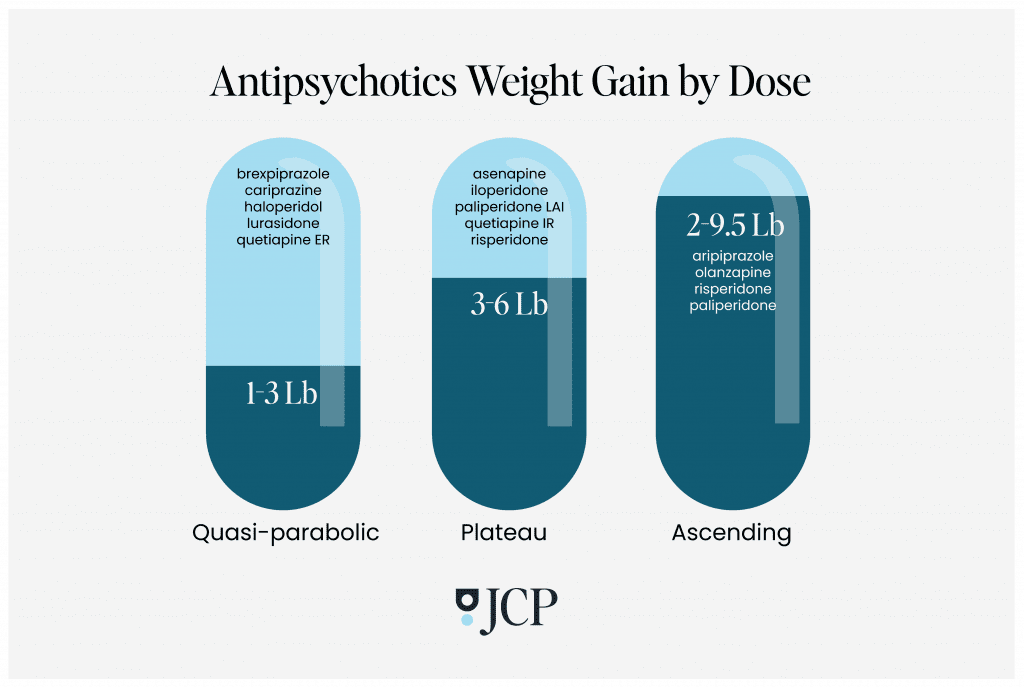


 Allie Holloway/Studio D
 Allie Holloway/Studio D
 Allie Holloway/Studio D